
Introduction
A noisy fridge freezer can be a major nuisance. That constant humming, buzzing, or rattling can disrupt your peace and quiet, and it often indicates a problem that could eventually lead to a breakdown. If your Bosch fridge freezer is making a loud noise, it’s important to address it promptly to prevent further damage and potentially save on costly repairs or food spoilage. This guide will walk you through common causes and troubleshooting steps to help you silence that racket.
💡 Technical Key Takeaways:
- Core Focus: Diagnostic schematic and terminal connection layout for Bosch Fridge Freezer Making Loud Noise.
- Target Scope: Field technicians, automotive DIYers, and residential/commercial electricians.
- Safety Rule: Always disconnect the primary power source/battery terminal and verify zero voltage with a multimeter before touching wires.
Common Causes of Bosch Fridge Freezer Making Loud Noise
Here are some typical reasons why your Bosch fridge freezer might be making excessive noise:
- Icemaker Issues: The icemaker can be noisy as it refills with water, drops ice, or if ice clumps and jams the mechanism.
- Condenser Fan Motor: Located near the compressor, the condenser fan cools the refrigerant. A failing motor, dirt buildup, or obstructions can cause it to make a humming or grinding noise.
- Evaporator Fan Motor: This fan circulates cold air within the freezer. Ice buildup, a failing motor, or obstructions can lead to scraping or whirring sounds.
- Compressor Problems: The compressor is the heart of the refrigeration system. As it ages, it can become noisy. Rattling, buzzing, or a loud humming can signal compressor issues.
- Water Inlet Valve: If your fridge has an ice maker or water dispenser, a faulty water inlet valve can vibrate or buzz when filling.
- Loose Components: Sometimes, panels, shelves, or other components can become loose and vibrate against each other, creating rattling noises.
- Leveling Issues: If the fridge isn’t properly leveled, the compressor and other parts can vibrate excessively, causing noise.
- Defrost Cycle: During the defrost cycle, you may hear hissing or popping sounds as ice melts. This is usually normal, but excessive or prolonged noises could indicate a problem.
- Dirty Condenser Coils: Dust and debris on the condenser coils can make the fridge work harder, causing the compressor and fans to run longer and louder.
Symptoms Checklist
Use this checklist to help pinpoint the source of the noise:
- Humming: Compressor or condenser fan issue.
- Rattling: Loose components, ice maker, or leveling issue.
- Grinding: Fan motor problems (condenser or evaporator).
- Buzzing: Water inlet valve or compressor starting relay.
- Clicking: Relay switch or compressor starting.
- Popping/Hissing: Defrost cycle (usually normal, but check if prolonged).
- Noises get louder over time: Compressor or fan motor wear.
- Noise stops when door is open: Evaporator fan issue.
How to Fix Bosch Fridge Freezer Making Loud Noise Step-by-Step Guide
- Unplug the Fridge: For safety, always unplug your fridge freezer before attempting any repairs.
- Locate the Noise Source: Listen carefully to pinpoint where the noise is coming from. Is it from the back, inside the freezer, or somewhere else?
- Check the Leveling: Use a level to ensure the fridge is properly leveled. Adjust the feet at the bottom if necessary.
- Inspect the Condenser Fan: Locate the condenser fan at the back of the fridge (usually near the bottom). Check for obstructions (dust, debris, or anything blocking the fan blades). Carefully clean the fan blades and the surrounding area with a brush or vacuum.
- Check the Evaporator Fan: Open the freezer and locate the evaporator fan (usually behind a panel). Check for ice buildup or obstructions. If there’s ice, manually defrost the freezer (unplug the fridge and leave the door open) to melt the ice.
- Clean the Condenser Coils: Locate the condenser coils (usually on the back or bottom of the fridge). Use a vacuum cleaner with a brush attachment to remove dust and debris.
- Examine the Icemaker: If the noise seems to be coming from the icemaker, check for ice jams or clumps. Remove any obstructions and make sure the icemaker is functioning properly.
- Inspect for Loose Components: Check all panels, shelves, and drawers to ensure they are securely in place. Tighten any loose screws or use padding to prevent vibration.
- Listen to the Compressor: The compressor is usually located at the back of the fridge, near the bottom. Listen for any unusual noises (loud humming, rattling). While this can indicate compressor failure, it’s best to rule out other issues first.
- Check the Water Inlet Valve (If Applicable): If your fridge has a water dispenser or icemaker, locate the water inlet valve (usually at the back of the fridge). Check for leaks or loose connections.
- Listen for Defrost Heater noises: As the defrost heater melts ice off the evaporator coil in the freezer section, hissing and crackling noises are normal during the defrost cycle.
- Plug the Fridge Back In: After inspecting and cleaning, plug the fridge back in and monitor for the noise.
Fix the Issue Without Buying Parts
Before considering part replacements, try these free and simple solutions:
- Reset the Fridge: Unplug the fridge for 30 minutes, then plug it back in. This can sometimes reset the compressor and other components.
- Deep Cleaning: Thoroughly clean the inside and outside of the fridge, paying attention to areas that might be causing vibration.
- Ensure Proper Ventilation: Make sure there’s enough space around the fridge for proper air circulation. Don’t block the vents.
- Regular Maintenance: Clean the condenser coils every 6 months to prevent dust buildup.
- Inspect Rubber Seals: Make sure the door seals are airtight. Damaged seals can make the fridge work harder and run louder.
When Replacement Might Be Necessary
If the noise persists after trying the troubleshooting steps above, certain parts might need replacing. Here are a few common culprits and estimated cost ranges (USD):
- Condenser Fan Motor: $50 – $150
- Evaporator Fan Motor: $60 – $180
- Compressor: $200 – $500 (plus labor, often requiring a professional)
- Water Inlet Valve: $30 – $80
Replacing the compressor is often expensive and requires specialized tools and knowledge. Consider consulting a professional appliance repair technician before attempting this repair.
Safety Warning
- Always unplug the fridge before performing any maintenance or repairs.
- Avoid touching electrical components with wet hands.
- Be careful when handling sharp objects or tools.
- If you are uncomfortable performing any of these steps, contact a qualified appliance repair technician.
Tools You May Need
- Screwdrivers (Phillips and flathead)
- Vacuum cleaner with brush attachment
- Soft brush
- Level
- Wrench
- Padded gloves (optional)
FAQ
- Why is my fridge so loud all of a sudden? Sudden loud noises often indicate a new problem, such as a failing fan motor or a compressor issue.
- Is it normal for my fridge to make noise during the defrost cycle? Yes, hissing and popping sounds are normal during the defrost cycle as ice melts. However, prolonged or excessive noises could indicate a problem.
- How can I tell if the compressor is failing? A failing compressor might make loud buzzing, rattling, or clicking noises. It may also run constantly without properly cooling the fridge.
- Can I fix a noisy fridge myself? Many common noise issues, such as dirty condenser coils or loose components, can be easily fixed with basic tools and a little troubleshooting.
Conclusion
A noisy Bosch fridge freezer can be frustrating, but with a little patience and these troubleshooting steps, you can often identify and fix the problem yourself. Remember to prioritize safety and start with the simplest solutions first. If the noise persists or you are uncomfortable performing any of the repairs, don’t hesitate to contact a qualified appliance repair technician. Good luck silencing that noisy appliance!
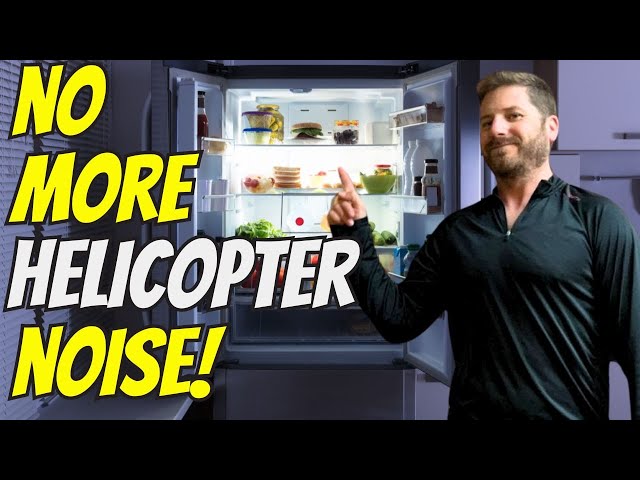
Youtube Video:
Quick Wiring Specifications & Terminal Guide
| Component / Circuit | Standard Wire Gauge | Recommended Protection |
|---|---|---|
| Control & Trigger Signals | 18 – 20 AWG | 5A – 7.5A Inline Fuse |
| Standard Auxiliary Load | 14 – 16 AWG | 15A – 20A Circuit Breaker |
| Main Power Feed / Supply | 10 – 12 AWG | 30A – 40A Heavy-Duty Relay |
Images References
Looking for more diagnostic guides? Explore our complete Refrigerator Problems 2 section for step-by-step troubleshooting solutions.
