Introduction
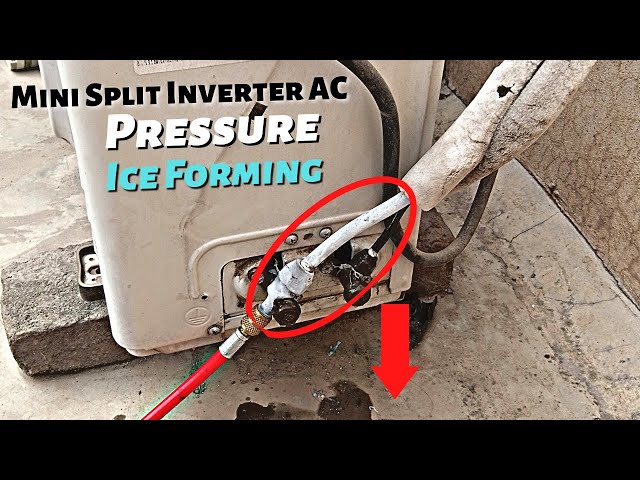
Is your mini-split AC turning into a mini-iceberg? Seeing ice on your indoor or outdoor unit is a sign that something isn’t right. It matters because icing can damage your system, reduce its cooling efficiency, and even cause it to fail completely. This usually happens when it’s humid or when you’re running the AC on a low setting for long periods. Addressing this problem quickly can save you money on repairs and keep your home cool and comfortable.
Common Causes of mini split ac icing up
Several factors can contribute to your mini-split AC icing up. Here are some of the most common:
- Dirty Air Filters: Clogged filters restrict airflow, making the evaporator coil too cold.
- Low Refrigerant: Insufficient refrigerant causes the coil to become too cold, leading to icing.
- Blocked Airflow: Obstructions in the vents or around the unit prevent proper airflow.
- Dirty Evaporator Coils: Dust and debris on the coils hinder heat absorption, resulting in ice formation.
- Faulty Fan Motor: A malfunctioning fan reduces airflow across the coils.
- Frozen Condensate Drain Line: A blocked drain line can cause water to back up and freeze.
- Outside Temperature Too Low: Running the AC when the outside temperature is very low can cause icing.
- Refrigerant Leaks: Small leaks will slowly cause the refirgerant level to drop and cause icing.
Symptoms Checklist
Here’s a checklist to help you confirm if your mini-split AC is icing up:
- Visible ice on the indoor or outdoor unit coils.
- Reduced airflow from the indoor unit.
- The AC unit is running, but the room isn’t cooling properly.
- Strange noises coming from the unit (e.g., hissing or gurgling).
- Water leaks around the indoor unit (if the ice melts).
- Higher than usual energy bills.
How to Fix mini split ac icing up Step-by-Step Guide
Follow these steps to troubleshoot and fix your icing mini-split AC:
- Turn Off the AC: Switch off your mini-split AC and give the ice time to melt completely. This may take several hours.
- Inspect the Air Filter: Locate the air filter (usually behind a panel on the indoor unit). Remove the filter and check if it’s dirty.
- Clean or Replace the Air Filter: If the filter is dirty, wash it with mild soap and water (if reusable) or replace it with a new one. Let it dry completely before reinstalling.
- Check for Blocked Airflow: Make sure that furniture, curtains, or other objects are not blocking the airflow to the indoor unit. Also, ensure the outdoor unit is free from obstructions like leaves or snow.
- Inspect the Outdoor Unit: Check the outdoor unit for any visible debris, leaves, or ice buildup. Clear away any obstructions.
- Clean the Evaporator Coils (Indoor Unit): Carefully vacuum the evaporator coils with a soft brush attachment to remove dust and debris. You can also use a fin comb to straighten any bent fins.
- Check the Condensate Drain Line: Locate the drain line (usually a small tube exiting the indoor unit). Make sure it’s not clogged. You can use a wet/dry vacuum to clear any blockages. Be careful when doing this step.
- Check Fan Motor (Outdoor unit): Make sure the fan is still rotating. If it is not rotating, the fan motor might be bad.
- Ensure Proper Thermostat Settings: Avoid setting the thermostat too low, as this can cause the unit to work harder and potentially ice up.
- Check the fins of the outdoor unit: Check and clean the fins of the outdoor unit with a brush.
- Restart the AC: After completing these steps, turn the AC back on and monitor its performance.
- Monitor for Re-icing: Keep an eye on the unit for the next few hours to see if the icing problem returns.
- Check for Refrigerant Leaks (Visual Inspection): Inspect the refrigerant lines for any signs of leaks, such as oil residue. This might indicate a leak, and the area around it may be oily.
Fix the Issue Without Buying Parts
Here are some free methods to try before considering replacements:
- Reset the System: Turn off the AC at the breaker for a few minutes, then turn it back on. This can sometimes clear minor glitches.
- Deep Cleaning: Thoroughly clean both the indoor and outdoor units, focusing on coils and fans.
- Maintenance Basics: Regularly clean air filters and ensure proper airflow to prevent future icing.
- Proper Calibration: Follow the product manual to recalibrate the system to avoid icing at wrong temperatures.
When Replacement Might Be Necessary
If the icing problem persists after trying the above steps, it might be time to consider a replacement. Common parts that fail include:
- Fan Motor: $100 – $300 (USD)
- Refrigerant Lines: $50 – $200 (USD) for repair
- Complete Unit: $800 – $2500+ (USD) depending on size and features.
A faulty compressor or a major refrigerant leak might warrant replacing the entire unit.
Safety Warning
- Always turn off the power to the AC unit at the breaker before performing any maintenance or repairs.
- Avoid touching electrical components with wet hands.
- If you’re uncomfortable working with electrical components, consult a qualified technician.
- Never attempt to repair refrigerant lines yourself; this requires specialized equipment and knowledge.
Tools You May Need
- Screwdriver (Phillips and flathead)
- Soft brush or vacuum attachment
- Fin comb
- Wet/dry vacuum
- Mild soap and water
- Clean cloths
FAQ
Here are some frequently asked questions about mini-split AC icing:
-
Q: Why is my mini-split icing up even when it’s not that cold outside?
A: Restricted airflow due to a dirty filter or blocked vents is a common cause. -
Q: How often should I clean my air filters?
A: At least once a month, or more often if you have pets or allergies. -
Q: Can I use any type of cleaner on the evaporator coils?
A: No, use a cleaner specifically designed for AC coils to avoid damaging them. -
Q: What should I do if I suspect a refrigerant leak?
A: Contact a qualified HVAC technician immediately to inspect and repair the leak.
Conclusion
Addressing a mini-split AC icing issue can often be resolved with simple troubleshooting and maintenance. By following this guide, you can identify and fix common problems without immediately resorting to expensive repairs. However, if the problem persists or if you’re uncomfortable performing any of these steps, don’t hesitate to call a qualified HVAC technician. Getting it fixed promptly can prevent further damage and ensure your AC runs efficiently for years to come!
Youtube Video:
Looking for more useful options?
Check out recommended resources that others find helpful.