Introduction
It’s a frustrating situation: your air conditioner is running, you can hear the fan blowing, but the air coming out is lukewarm or even just room temperature. This means your AC isn’t cooling properly. This issue can occur during peak summer heat, making your home uncomfortable and potentially unsafe, especially for vulnerable individuals. Addressing this problem quickly is crucial to restore comfort and prevent further damage to your AC unit. Ignoring it can lead to higher energy bills and costly repairs down the line. Explore more in our Air Conditioner Troubleshooting category.
💡 Technical Key Takeaways:
- Core Focus: Diagnostic schematic and terminal connection layout for Air Conditioner Running But Not Cooling.
- Target Scope: Field technicians, automotive DIYers, and residential/commercial electricians.
- Safety Rule: Always disconnect the primary power source/battery terminal and verify zero voltage with a multimeter before touching wires.
Common Causes of Air Conditioner Running But Not Cooling
Here are some common reasons why your air conditioner might be running but not cooling:
- Dirty Air Filter: A clogged filter restricts airflow, making it harder for the AC to cool the air.
- Dirty Condenser Coils: The outside unit’s coils release heat. If they’re dirty, they can’t do their job efficiently.
- Frozen Evaporator Coils: Ice buildup on the indoor coils prevents proper cooling.
- Refrigerant Leak: Low refrigerant levels mean the AC can’t effectively absorb heat.
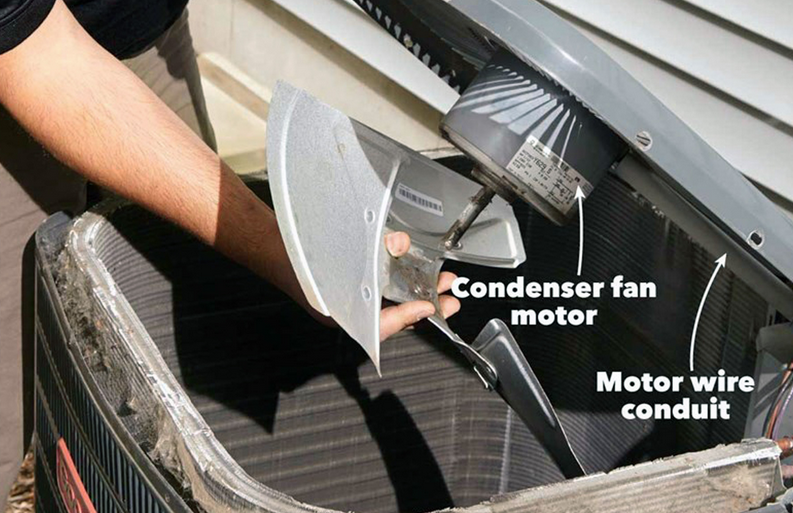
- Blocked Condenser Fan: If the fan isn’t working, the heat can’t be released from the condenser coils.
- Ductwork Leaks: Leaky ducts allow cool air to escape before it reaches your rooms.
- Compressor Problems: The compressor is the heart of the AC. If it fails, the AC won’t cool.
- Thermostat Issues: An improperly set or malfunctioning thermostat can prevent the AC from cooling correctly.
- Electrical Problems: Problems with wiring or components can prevent the AC from cooling properly.
Symptoms Checklist
Check if you experience any of these symptoms to identify the issue accurately:
- Warm air blowing from vents
- AC unit running constantly without cooling
- Ice buildup on the indoor or outdoor unit
- Higher than usual energy bills
- Strange noises coming from the AC unit
- Visible dust and debris on the outdoor unit
- Thermostat set to “cool” but the temperature not dropping
How to Fix Air Conditioner Running But Not Cooling Step-by-Step Guide
Follow these steps to troubleshoot your AC unit:
- Check the Thermostat: Ensure the thermostat is set to “cool” and the temperature is lower than the current room temperature. Make sure it’s not set to “fan only.”
- Inspect the Air Filter: Locate the air filter (usually inside the indoor unit or a wall vent). If it’s dirty, replace it with a new one of the correct size.
- Clean the Outdoor Unit: Turn off the AC unit at the breaker. Use a garden hose (without a high-pressure nozzle) to gently spray the condenser coils from the inside out. Remove any debris like leaves or twigs.
- Check for Ice Buildup: If you see ice on the indoor or outdoor unit, turn off the AC and set the fan to “on.” This will help melt the ice.
- Inspect the Condenser Fan: Make sure the fan blades are clean and not obstructed by anything. If the fan isn’t spinning, there may be an electrical problem.
- Check the Breaker: Go to your electrical panel and check if the breaker for the AC unit has tripped. If it has, reset it.
- Check for Duct Leaks: Look for obvious leaks in the ductwork, especially around joints and seams. Seal any leaks with duct tape.
- Clear Obstructions Around the Outdoor Unit: Make sure there’s at least 2 feet of clear space around the outdoor unit for proper airflow.
- Check the Drain Line: The drain line removes condensation. A clogged drain line can cause water to back up and affect cooling. Locate the drain line (usually a PVC pipe near the indoor unit) and clear any clogs. You can use a wet/dry vacuum to suck out any debris.
- Restart the AC: After performing these checks, turn the AC back on and give it some time to see if it starts cooling properly.
Fix the Issue Without Buying Parts
Here are some free methods to try before considering replacements:
- Reset the AC: Turn off the AC at the breaker for 30 minutes and then turn it back on. This can sometimes reset the system and resolve minor issues.
- Regular Cleaning: Regularly clean the air filter and outdoor unit to prevent problems from recurring.
- Inspect Airflow: Ensure vents are open and not blocked by furniture to maximize airflow.
- Maintenance Basics: Schedule annual professional maintenance to keep your AC running efficiently.
When Replacement Might Be Necessary
If you’ve tried all the troubleshooting steps and your AC still isn’t cooling, replacement might be necessary. Common parts that fail include the compressor, condenser fan motor, and evaporator coil. A new AC unit can cost anywhere from $3,000 to $7,000 or more, depending on the size and efficiency.
Safety Warning
- Always turn off the AC unit at the breaker before performing any maintenance or repairs.
- Avoid working on electrical components if you’re not comfortable with electrical work. Call a qualified technician instead.
- Be careful when using water around electrical components. Avoid getting water on the wiring or the inside of the unit.
Tools You May Need
Here’s a list of simple tools that might be helpful:
- Screwdriver (Phillips and flathead)
- Garden hose
- Duct tape
- Wet/dry vacuum
- New air filter
FAQ
Here are some frequently asked questions about AC problems:
- Q: Why is my AC blowing warm air even after I changed the filter?
- A: There could be several reasons, including dirty condenser coils, a refrigerant leak, or a problem with the compressor.
- Q: How often should I change my air filter?
- A: It depends on your usage and the type of filter, but generally every 1-3 months is recommended.
- Q: How can I tell if my AC has a refrigerant leak?
- A: Signs include warm air, ice buildup, and a hissing sound near the AC unit.
- Q: Is it safe to clean the AC coils myself?
- A: Yes, as long as you turn off the AC at the breaker and use a gentle spray of water. Avoid using high-pressure nozzles, which can damage the coils.
Conclusion
Troubleshooting your air conditioner can seem daunting, but with a systematic approach, you can often identify and resolve the issue yourself. By following these steps, you may be able to get your AC cooling again without needing to call a technician. Remember to prioritize safety and if you’re not comfortable with any of the steps, it’s always best to consult a qualified HVAC professional. Browse more guides on smartacfix.com.
Youtube Video:

Quick Wiring Specifications & Terminal Guide
| Component / Circuit | Standard Wire Gauge | Recommended Protection |
|---|---|---|
| Control & Trigger Signals | 18 – 20 AWG | 5A – 7.5A Inline Fuse |
| Standard Auxiliary Load | 14 – 16 AWG | 15A – 20A Circuit Breaker |
| Main Power Feed / Supply | 10 – 12 AWG | 30A – 40A Heavy-Duty Relay |
Images References