
Introduction
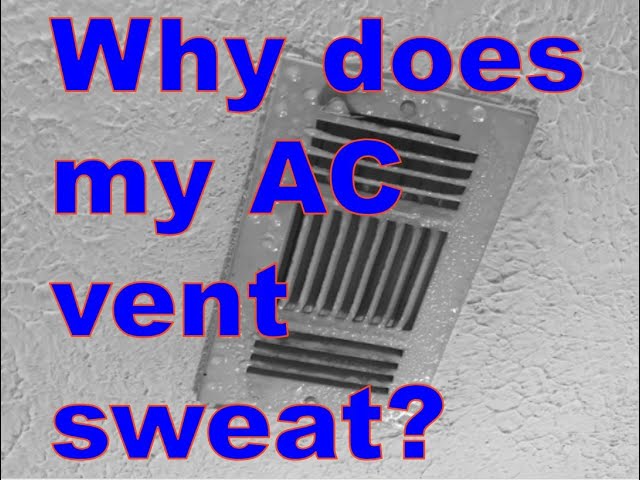
Finding water dripping from your AC vent can be frustrating and concerning. It’s a sign that something isn’t right with your air conditioning system, and if left unchecked, it can lead to water damage in your home, mold growth, and even damage to your AC unit itself. This often happens during periods of high humidity when your AC is working extra hard. Addressing this issue promptly can save you from costly repairs and health hazards. Let’s get this water stopped!
💡 Technical Key Takeaways:
- Core Focus: Diagnostic schematic and terminal connection layout for Dripping Water From Ac Vent.
- Target Scope: Field technicians, automotive DIYers, and residential/commercial electricians.
- Safety Rule: Always disconnect the primary power source/battery terminal and verify zero voltage with a multimeter before touching wires.
Common Causes of dripping water from ac vent
Here are some of the most frequent reasons why you might be seeing water dripping from your AC vents:. For more related activities, check out our Car Fan Not Blowing.
- Clogged Condensate Drain Line: This is the most common culprit. The drain line carries away water that condenses inside your AC unit. A clog can cause the water to back up and overflow.
- Dirty Air Filter: A clogged air filter restricts airflow, causing the evaporator coil to get too cold and freeze. When the ice melts, it drips.
- Frozen Evaporator Coil: As mentioned above, restricted airflow or low refrigerant can cause the evaporator coil to freeze.
- Low Refrigerant: Low refrigerant levels can cause the evaporator coil to become extremely cold, leading to ice formation and subsequent dripping.
- Improperly Sealed Ductwork: Leaky ductwork allows warm, humid air to enter, which can condense inside the ducts and drip.
- Incorrect AC Unit Size: An oversized AC unit cools the air too quickly without properly dehumidifying it, which can lead to condensation.
- Damaged or Disconnected Drain Pan: If the drain pan is cracked or disconnected it will not be able to collect the condensation properly and leaking/dripping will occur.
- High Humidity Levels: Extremely humid conditions can overwhelm your AC system’s ability to remove moisture, leading to increased condensation and potential dripping.
Symptoms Checklist
Check for these indicators to help pinpoint the issue:
- Visible water dripping from one or more AC vents.
- Water stains on your ceiling or walls near the vents.
- A musty odor in the room or near the AC vents (indicates possible mold growth).
- Your AC unit is running constantly but not cooling the house effectively.
- Ice formation visible on the outdoor AC unit or the copper lines connected to it.
- Water pooling around the indoor AC unit.
- Unusual sounds coming from your AC unit, such as gurgling or bubbling.
How to Fix dripping water from ac vent Step-by-Step Guide
- Turn Off Your AC: Immediately switch off your AC unit to prevent further damage.
- Check the Air Filter: Locate your air filter (usually behind a return vent). If it’s dirty, replace it with a new one.
- Locate the Condensate Drain Line: Find the PVC pipe that exits your indoor AC unit and leads outside. This is the condensate drain line.
- Check for Clogs in the Drain Line: Look for any visible obstructions at the end of the drain line outside.
- Clear the Drain Line with a Wet/Dry Vacuum: Place the vacuum hose over the end of the drain line and create a tight seal. Turn on the vacuum for several minutes to suck out any clogs.
- Flush the Drain Line with Vinegar: Pour a cup of white vinegar into the drain line opening inside your AC unit. Vinegar helps dissolve algae and mold that can cause clogs. Let it sit for about 30 minutes, then flush with water.
- Check the Drain Pan: Locate the drain pan underneath the indoor unit. Make sure it’s not cracked, overflowing, or disconnected.
- Clean the Drain Pan: If the drain pan is dirty, clean it with soap and water to remove any debris.
- Inspect Ductwork: Check for any visible gaps or tears in your ductwork, especially near the AC unit and vents.
- Seal Ductwork Leaks: Use duct tape to seal any small leaks you find in the ductwork. For larger leaks, you might need to use mastic sealant.
- Check for Ice on the Evaporator Coil: If you can access the evaporator coil (behind an access panel on your indoor unit), check for ice buildup. If you see ice, let it thaw completely before turning the AC back on.
- Monitor Your AC After Restarting: After completing these steps, turn your AC back on and monitor it closely for any further dripping.
- Check the slope of the condensate line: Condensate lines are supposed to slope downwards so gravity can move the water. Ensure the line isnt sloping upwards or is entirely flat.
Fix the Issue Without Buying Parts
Here are some things you can try without spending money:
- Reset Your AC: Turn off your AC at the thermostat and the circuit breaker for a few minutes, then turn it back on.
- Regular Cleaning: Clean your air filter monthly, and periodically flush the condensate drain line with vinegar.
- Inspection Tips: Regularly inspect your ductwork and condensate drain line for any signs of damage or leaks.
- Maintenance Basics: Ensure your AC unit is properly maintained by scheduling annual professional inspections.
When Replacement Might Be Necessary
If the dripping persists despite your best efforts, you might need to consider these replacements:
- Condensate Pump Replacement: If your AC uses a condensate pump to remove water, it might be failing. Expect to pay between $100-$300 for a replacement.
- Drain Pan Replacement: A cracked drain pan needs replacing to avoid further leaks. Costs range from $50-$200.
- Refrigerant Recharge: If low refrigerant is the problem, a professional will need to recharge the system. This can cost between $200-$500.
- Complete AC Unit Replacement: As a last resort, if the unit is old, extremely damaged or constantly freezing, it may be time to buy a new AC.
Safety Warning
- Always turn off the power to your AC unit at the circuit breaker before performing any maintenance.
- Avoid working on your AC unit if you are not comfortable with electrical work.
- Be careful when working with water near electrical components.
- Clean up any spills immediately to prevent slips and falls.
- If you use compressed air to blow out the drain line, use low pressure and wear safety glasses.
Tools You May Need
- Screwdriver (Phillips and flathead)
- Wet/dry vacuum
- Duct tape
- White vinegar
- Gloves
- Safety Glasses
FAQ
Here are some frequently asked questions:
- Q: How often should I clean my AC air filter? A: At least every month, or more often if you have pets or allergies.
- Q: How do I know if my AC refrigerant is low? A: Signs include weak airflow, warm air blowing from the vents, and ice buildup on the copper lines.
- Q: Can I use bleach to clean the condensate drain line? A: While some people do, vinegar is a safer and less corrosive option.
- Q: Why is my AC dripping even after I cleaned the drain line? A: There might be other issues, such as low refrigerant or a frozen evaporator coil. Re-check those areas.
- Q: Is it safe to use my AC while its dripping water? A: No, it is not. You risk further damage and electrical hazards. Turn it off immediately.
Conclusion
Finding dripping water from your AC vent doesn’t have to be a major headache. By following these simple steps, you can often diagnose and fix the problem yourself, saving you time and money. If you’ve tried everything and the dripping persists, it’s time to call a qualified HVAC technician. Most of the time a qualified HVAC technician can easily find the cause of dripping water from your AC vents.
Youtube Video:
Quick Wiring Specifications & Terminal Guide
| Component / Circuit | Standard Wire Gauge | Recommended Protection |
|---|---|---|
| Control & Trigger Signals | 18 – 20 AWG | 5A – 7.5A Inline Fuse |
| Standard Auxiliary Load | 14 – 16 AWG | 15A – 20A Circuit Breaker |
| Main Power Feed / Supply | 10 – 12 AWG | 30A – 40A Heavy-Duty Relay |
Images References
Looking for more diagnostic guides? Explore our complete Air Conditioner Troubleshooting 4 section for step-by-step troubleshooting solutions.
