
Introduction
A buzzing noise coming from your heat pump outdoor unit can be concerning, especially when you rely on it for heating and cooling. This buzzing often indicates an electrical or mechanical issue. While some causes are minor, others could lead to more significant problems if left unaddressed. Ignoring a buzzing heat pump can result in decreased efficiency, higher energy bills, and potentially a complete system failure. It’s essential to investigate the source of the buzzing as soon as you notice it.
💡 Technical Key Takeaways:
- Core Focus: Diagnostic schematic and terminal connection layout for Heat Pump Outdoor Unit Buzzing.
- Target Scope: Field technicians, automotive DIYers, and residential/commercial electricians.
- Safety Rule: Always disconnect the primary power source/battery terminal and verify zero voltage with a multimeter before touching wires.
Common Causes of heat pump outdoor unit buzzing
Here are some common reasons why your heat pump outdoor unit might be buzzing:
- Loose Components: Screws, panels, or other parts may have vibrated loose over time, causing them to rattle and buzz.
- Debris Obstruction: Leaves, twigs, or other debris can get caught in the fan or other moving parts, creating a buzzing sound.
- Contactor Problems: The contactor is an electrical switch that controls the compressor. A failing contactor can buzz due to loose or worn-out parts.
- Fan Motor Issues: A failing fan motor can produce a buzzing sound as it struggles to turn the fan blades.
- Compressor Issues: The compressor is the heart of the heat pump. A buzzing compressor might indicate it’s struggling to start or is experiencing internal problems.
- Electrical Issues: Loose wiring or faulty electrical connections can cause buzzing.
- Refrigerant Leaks: While not always a buzzing sound, a refrigerant leak can sometimes cause the compressor to work harder and create unusual noises.
- Capacitor Failure: Capacitors help start and run the motor. A failing capacitor can cause the motor to hum or buzz.
Symptoms Checklist
Check if you observe the following:
- Buzzing noise coming specifically from the outdoor unit.
- Buzzing is constant or intermittent.
- Buzzing noise is louder at certain times, such as during startup or shutdown.
- Reduced heating or cooling performance.
- Ice buildup on the outdoor unit (in heating mode).
- The outdoor fan is not spinning correctly or is making unusual noises.
- Higher than usual energy bills.
How to Fix Heat Pump Outdoor Unit Buzzing Step-by-Step Guide
Follow these steps to troubleshoot the buzzing:
- Safety First: Turn off the power to the heat pump at the breaker box before starting any inspection or repair.
- Visual Inspection: Carefully examine the outdoor unit for any obvious signs of damage, loose parts, or debris.
- Clean the Unit: Remove any leaves, twigs, or other debris from inside and around the unit. Use a garden hose (gentle spray) to clean the fins, but avoid spraying directly into electrical components.
- Tighten Loose Screws: Check for any loose screws on the panels, fan, and other accessible components. Tighten them gently.
- Inspect the Fan Blades: Make sure the fan blades are not damaged or obstructed. Try spinning the fan blades by hand (with the power off) to check for smooth rotation.
- Check the Contactor: Locate the contactor (usually behind a panel) and visually inspect it for signs of damage or corrosion. If you see any, it might need replacement by a qualified technician.
- Listen Closely: Turn the power back on (briefly) and listen carefully to pinpoint the source of the buzzing. This will help you identify the component that’s causing the noise. Immediately turn the power off again after listening.
- Inspect the Wiring: Look for any loose or damaged wiring connections. If you find any, tighten them carefully (with the power off). If you’re not comfortable working with electrical wiring, consult a qualified electrician.
- Check the Capacitor: Locate the capacitor (usually a cylindrical component) and visually inspect it for signs of bulging or leaking. Do not touch the capacitor unless you know how to safely discharge it. A qualified technician should handle capacitor testing and replacement.
- Check for Ice Buildup: If it’s winter, check for excessive ice buildup on the outdoor unit. If you find a lot of ice, the unit might not be defrosting properly.
- Reset the System: Turn the power off to the unit at the breaker for 30 minutes, then turn it back on. This can sometimes reset the system and resolve minor issues.
- Monitor Performance: After performing these checks, monitor the heat pump’s performance to see if the buzzing noise has subsided and if the heating/cooling is working correctly.
Fix the Issue Without Buying Parts
You can often resolve a buzzing heat pump without immediately replacing parts by:
- Regular Cleaning: Keeping the unit free of debris is essential.
- Tightening Loose Components: Simple tightening can eliminate rattles and buzzes.
- System Reset: Power cycling the unit can sometimes clear minor glitches.
- Visual Inspections: Catching issues early can prevent more significant problems.
- Scheduled Maintenance: Annual professional maintenance can keep your heat pump in top condition.
When Replacement Might Be Necessary
If the buzzing persists after performing the above steps, or if you suspect a failing compressor, capacitor, or other major component, replacement might be necessary. Replacing a compressor can cost $800-$2000, while a capacitor replacement typically ranges from $100-$300. Common parts that fail and cause buzzing include the contactor, capacitor, fan motor, and compressor. For more related activities, check out our Car Fan Not Blowing.
Safety Warning
Always prioritize safety when working with electrical appliances:
- Disconnect the power at the breaker box before performing any maintenance or repairs.
- Avoid working on the unit in wet conditions.
- If you are uncomfortable working with electrical components, consult a qualified technician.
- Never touch a capacitor without knowing how to safely discharge it; they can hold a dangerous electrical charge.
Tools You May Need
Here’s a basic list of tools that might be helpful:
- Screwdriver (Phillips and flathead)
- Wrench set
- Garden hose (with gentle spray nozzle)
- Gloves
- Safety glasses
- Multimeter (for advanced testing, use with caution)
FAQ
Here are some frequently asked questions:
- Q: Why is my heat pump buzzing only when it starts up?
- A: This could indicate a failing capacitor or a problem with the compressor struggling to start. It’s best to have a technician check it out.
- Q: Can I ignore the buzzing noise if my heat pump is still working?
- A: No. Buzzing usually indicates a problem. Ignoring it can lead to further damage and higher repair costs down the road.
- Q: How often should I clean my heat pump outdoor unit?
- A: Ideally, you should clean it at least twice a year once in the spring and once in the fall.
- Q: Is it normal for my heat pump to make some noise?
- A: Yes, heat pumps make some noise during operation. However, a persistent buzzing is not normal and should be investigated.
Conclusion
Troubleshooting a buzzing heat pump outdoor unit can often be done with some simple checks and cleaning. By following this guide, you can address common issues and potentially save on repair costs. However, if the problem persists or involves electrical components, it’s always best to consult a qualified HVAC technician. Remember, safety is paramount, so don’t hesitate to call a professional if you’re unsure about any step.
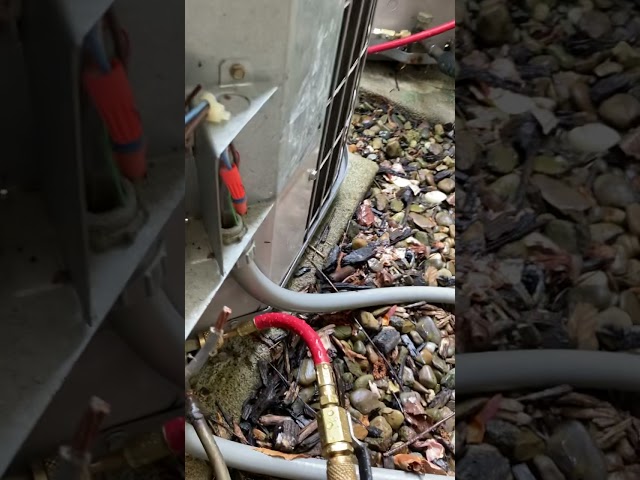
Youtube Video:
Quick Wiring Specifications & Terminal Guide
| Component / Circuit | Standard Wire Gauge | Recommended Protection |
|---|---|---|
| Control & Trigger Signals | 18 – 20 AWG | 5A – 7.5A Inline Fuse |
| Standard Auxiliary Load | 14 – 16 AWG | 15A – 20A Circuit Breaker |
| Main Power Feed / Supply | 10 – 12 AWG | 30A – 40A Heavy-Duty Relay |
Images References
Looking for more diagnostic guides? Explore our complete Air Conditioner Troubleshooting 4 section for step-by-step troubleshooting solutions.
