Introduction
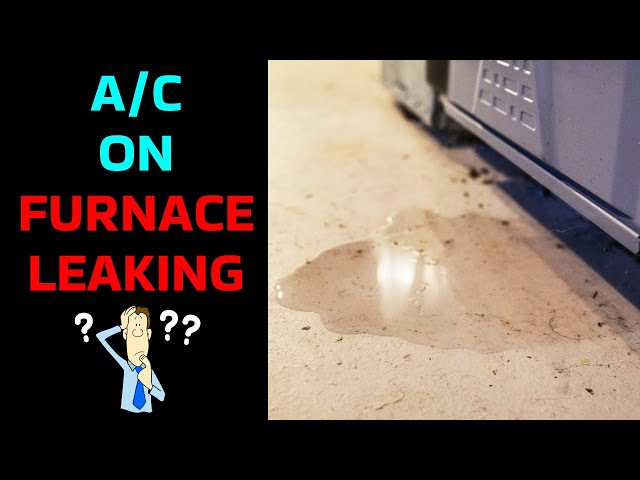
Finding water near your furnace when your central air conditioning is running is a common problem, but it shouldn’t be ignored. This water is likely condensation from your AC system, and while a little moisture is normal, a significant leak can damage your furnace, cause mold growth, and potentially lead to costly repairs. This guide walks you through the steps to identify the cause of the leak and troubleshoot it yourself, saving you money and preventing further damage.
Common Causes of Central Air Leaking Water Around Furnace
Several factors can cause your central AC to leak water near your furnace. Here’s a breakdown of the most common culprits:
- Clogged Condensate Drain Line: This is the most frequent cause. A buildup of algae, mold, and debris can block the drain line, causing water to back up and overflow.
- Dirty Air Filter: A clogged air filter restricts airflow over the evaporator coil, causing it to get too cold and freeze up. When the ice melts, it overwhelms the drain pan.
- Low Refrigerant Levels: Low refrigerant can also cause the evaporator coil to freeze, leading to the same problem as a dirty air filter.
- Damaged or Rusted Drain Pan: The drain pan under the evaporator coil can rust or crack over time, allowing water to leak through.
- Improperly Sloped Drain Line: If the drain line doesn’t have a proper slope, water can pool and eventually leak.
- Loose or Disconnected Drain Line: The drain line may become loose or disconnected, leading to water dripping.
- Evaporator Coil Issues: A dirty or damaged evaporator coil can contribute to ice buildup and subsequent leaks.
- High Humidity: Excessively humid conditions can overwhelm the system’s ability to drain condensation efficiently.
Symptoms Checklist
Use this checklist to accurately identify if you have a central air leaking water around the furnace problem:
- Water pooling around the base of your furnace.
- Water stains on the floor or nearby walls.
- Dripping sounds coming from the furnace area.
- Musty odor in the vicinity of the furnace.
- Your AC unit is running, but not cooling effectively.
- Visible ice formation on the refrigerant lines or evaporator coil.
How to Fix Central Air Leaking Water Around Furnace Step-by-Step Guide
Follow these steps to troubleshoot and fix the leak:
- Turn Off the AC: Immediately turn off your air conditioner at the thermostat to prevent further water accumulation and potential damage.
- Locate the Condensate Drain Line: This is usually a PVC pipe (often white or gray) coming from your indoor AC unit (often near or part of the furnace). It should lead to a drain, either inside or outside your home.
- Check for Clogs at the Drain Line Opening: Examine the end of the drain line for visible blockages like dirt, debris, or algae. Carefully remove any obstructions.
- Use a Wet/Dry Vacuum to Clear the Drain Line: Attach a wet/dry vacuum to the end of the drain line and create a tight seal. Turn on the vacuum for a few minutes to suck out any clogs inside the pipe. Periodically empty the vacuum canister.
- Flush the Drain Line with Vinegar: Pour a cup of distilled white vinegar into the drain line opening. Vinegar is a natural disinfectant and can help dissolve any remaining buildup. Let it sit for about 30 minutes, then flush it with water.
- Inspect the Drain Pan: Locate the drain pan underneath the indoor AC unit (usually located above the furnace). Check for cracks, rust, or overflows.
- Clean the Drain Pan: If the drain pan is accessible, clean it with a mixture of warm water and mild detergent. Rinse thoroughly.
- Check the Air Filter: Remove and inspect your air filter. If it’s dirty, replace it with a new, clean filter.
- Thaw a Frozen Evaporator Coil (If Applicable): If you suspect a frozen coil (ice visible on refrigerant lines), let the unit thaw completely by turning off the AC and running only the fan for several hours.
- Ensure Proper Drain Line Slope: The drain line should slope downwards from the AC unit to the drain. If it doesn’t, you may need to adjust its position.
- Check the Drain Line Connection: Ensure that all connections are tight and secure.
- Run the AC and Monitor: Turn the AC back on and monitor the area around the furnace for any signs of leaking.
Fix the Issue Without Buying Parts
Before resorting to replacements, try these solutions:
- Regular Cleaning: Prevent clogs by pouring a cup of vinegar down the drain line every 1-2 months.
- Air Filter Maintenance: Replace your air filter every 1-3 months to ensure proper airflow.
- Visual Inspections: Periodically inspect the drain line and drain pan for any signs of damage or blockage.
- Professional Cleaning: Schedule a professional AC tune-up annually. This includes cleaning the evaporator coil, inspecting the drain line, and checking refrigerant levels.
When Replacement Might Be Necessary
In some cases, the problem might require replacing parts:
- Cracked Drain Pan: A severely cracked or rusted drain pan ($50 – $200) needs replacement.
- Damaged Drain Line: A collapsed or severely damaged drain line ($20 – $50) can cause leaks and may need replacement.
- Refrigerant Leak: If the leak persists despite cleaning and thawing, it could signal a refrigerant leak which must be repaired by a certified HVAC technician. This is expensive.
Safety Warning
- Always turn off the power to your AC unit at the breaker before performing any maintenance.
- Be careful when working around water and electricity to avoid shocks.
- If you’re uncomfortable with any of these steps, contact a qualified HVAC technician.
- Wear safety glasses to protect your eyes from debris when cleaning the drain line.
- Be aware of potential mold growth if the leak has been present for a while. Wear a mask if necessary.
Tools You May Need
- Wet/dry vacuum
- Distilled white vinegar
- Screwdriver
- Adjustable wrench
- Bucket
- Safety glasses
- Gloves
FAQ
Here are some frequently asked questions regarding AC leaks:
- Q: Why is my AC leaking even after I cleared the drain line? A: There could be a hidden blockage, a cracked drain pan, or low refrigerant levels.
- Q: How often should I clean my AC drain line? A: Every 1-2 months with vinegar is recommended to prevent clogs.
- Q: Can a dirty air filter cause my AC to leak? A: Yes, a dirty air filter can cause the evaporator coil to freeze, leading to leaks.
- Q: Should I call a professional if the leaking persists? A: Yes, if you’ve tried the troubleshooting steps and the leak continues, it’s best to contact a qualified HVAC technician.
Conclusion
Dealing with a central air leak around your furnace can be frustrating, but by following these steps, you can often identify and fix the problem yourself. Regular maintenance and preventative measures are crucial for keeping your AC system running smoothly and preventing future leaks. If you’ve exhausted these troubleshooting steps and the leak persists, don’t hesitate to call a professional HVAC technician. Addressing the problem promptly will save you money in the long run and ensure your home stays comfortable all summer long.
Youtube Video:
Looking for more useful options?
Check out recommended resources that others find helpful.