Introduction
It’s frustrating when your air conditioner runs and runs, but your home never quite reaches the comfortable temperature you’ve set. This problem, where your AC “won’t get to set temperature,” is a common issue that can stem from various causes. Besides discomfort, a struggling AC uses more energy, increasing your electricity bill. Addressing this promptly prevents further damage to your system and ensures a cool, comfortable home. This guide provides simple steps to diagnose and potentially fix the problem yourself before calling a professional.
Common Causes of AC Won’t Get to Set Temperature
Here are some of the most frequent reasons why your AC might not be cooling properly:
- Dirty Air Filter: A clogged filter restricts airflow, making the AC work harder and less efficiently.
- Blocked Outdoor Unit: Obstructions like leaves, grass clippings, or debris around the outdoor condenser unit hinder heat dissipation.
- Dirty Evaporator Coils: Located inside the indoor unit, dirty coils insulate the refrigerant and reduce cooling capacity.
- Leaky Ducts: If your ductwork has leaks, cooled air escapes before reaching your rooms, forcing the AC to overwork.
- Low Refrigerant: Refrigerant is the coolant that absorbs heat. A leak reduces its efficiency, impairing cooling.
- Frozen Evaporator Coils: Restricted airflow due to a dirty filter or blower motor issues can cause the coils to ice over, stopping cooling entirely.
- Faulty Thermostat: An improperly calibrated or malfunctioning thermostat might not accurately sense the room temperature or control the AC.
- Oversized or Undersized AC Unit: If your AC unit is too small, it can’t handle the cooling load. If too large, it cycles on and off too quickly.
- Poor Insulation: Inadequate insulation in your walls, attic, or windows allows heat to seep into your home, overwhelming the AC.
Symptoms Checklist
Use this checklist to narrow down the cause of your AC’s cooling problem:
- AC runs constantly without cooling effectively.
- Room temperature is significantly higher than the thermostat setting.
- You hear unusual noises coming from the AC unit (hissing, banging, rattling).
- Visible ice buildup on the indoor or outdoor unit.
- Weak airflow from vents.
- High energy bills compared to previous months.
- The air coming from the vents isn’t cold.
How to Fix AC Won’t Get to Set Temperature Step-by-Step Guide
Follow these steps to troubleshoot and potentially fix the issue:
- Check the Air Filter: Locate the air filter (usually in the indoor unit or a wall/ceiling vent). Remove it and hold it up to the light. If you can’t see through it, it needs cleaning or replacing. Clean a reusable filter with water; replace disposable filters.
- Inspect the Outdoor Unit: Clear away any leaves, grass, branches, or debris within 2-3 feet of the outdoor condenser unit. Use a garden hose to gently rinse the unit, removing any dirt and dust.
- Check for Frozen Coils: If you suspect frozen coils (little to no airflow), turn off the AC and switch the fan to “ON” to help melt the ice. Wait several hours before turning the AC back on.
- Inspect the Supply Vents: Make sure all supply vents (where cold air comes out) are open and unobstructed by furniture or curtains.
- Seal Obvious Duct Leaks: Visually inspect exposed ductwork in your attic or basement. Seal any noticeable leaks with duct tape (for a temporary fix) or, ideally, with mastic sealant (for a long-lasting solution).
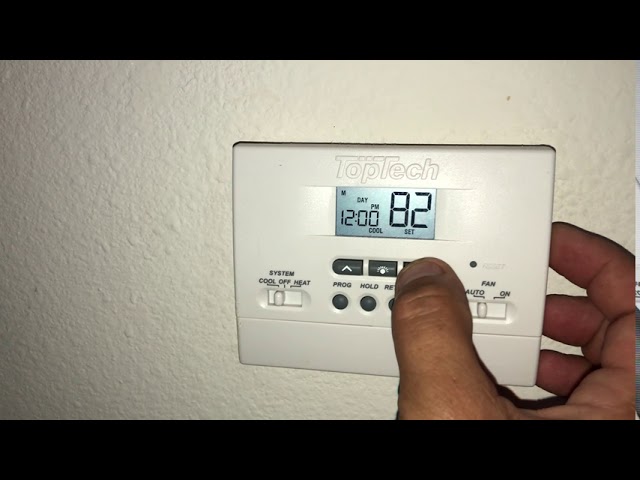
- Check the Thermostat Settings: Ensure the thermostat is set to “COOL” and that the fan is set to “AUTO.” Verify the temperature setting is lower than the current room temperature.
- Check the Thermostat Batteries: Replace the batteries in your thermostat, especially if it’s a digital model. Low batteries can cause inaccurate temperature readings.
- Clean the Evaporator Coils (If Accessible): Consult your AC manual to locate the evaporator coils (usually behind an access panel on the indoor unit). Use a soft brush or vacuum with a brush attachment to gently clean the coils. Caution: Be very careful not to damage the delicate fins.
- Check the Condensate Drain Line: A clogged drain line can cause water to back up and shut down the AC. Locate the drain line (usually a PVC pipe near the indoor unit) and check for clogs. You can try clearing it with a wet/dry vacuum.
- Reset the AC: Turn off the AC breaker in your electrical panel for 30 minutes, then turn it back on. This can sometimes reset the system and resolve minor issues.
Fix the Issue Without Buying Parts
Many cooling problems can be resolved without purchasing new parts. Regular cleaning of the air filter and outdoor unit, as described above, is crucial. Make sure your thermostat is calibrated correctly. If it’s consistently off, consult the manual for recalibration instructions or consider replacing it. Inspecting your home for air leaks around windows and doors and sealing them with weather stripping can also significantly improve cooling efficiency. Basic AC maintenance, like keeping the surrounding area clean and scheduling annual professional checkups, can prevent many problems from occurring in the first place.
When Replacement Might Be Necessary
If, after attempting the troubleshooting steps above, your AC still isn’t cooling properly, and you suspect a more serious issue like a refrigerant leak, a failing compressor, or a major electrical problem, replacement might be necessary. Replacing a compressor can cost $800-$2500, while a full AC system replacement can range from $3,000 to $7,000 or more, depending on the size and efficiency of the unit. Common parts that fail include the compressor, fan motor, capacitor, and refrigerant lines.
Safety Warning
- Always disconnect the power to the AC unit at the breaker before performing any maintenance or repairs.
- Avoid working on electrical components if you are not comfortable or experienced with electrical work. Call a qualified technician.
- Be careful when handling sharp tools or working around moving parts.
- Never spray water directly onto electrical components.
- If you suspect a refrigerant leak, do not attempt to repair it yourself. Refrigerant is a hazardous substance and should only be handled by a licensed technician.
Tools You May Need
- Screwdrivers (Phillips and flathead)
- Wrench set
- Vacuum cleaner with brush attachment
- Garden hose
- Duct tape or mastic sealant
- Air filter wrench (if needed)
- Multimeter (for testing electrical components – use with caution)
FAQ
Here are some frequently asked questions about AC cooling problems:
-
Q: Why is my AC running constantly but not cooling?
A: This could be due to a dirty air filter, blocked outdoor unit, refrigerant leak, or a faulty compressor. -
Q: How often should I change my AC filter?
A: Typically every 1-3 months, depending on the type of filter and the amount of dust and debris in your home. -
Q: How do I know if my AC is low on refrigerant?
A: Common signs include weak airflow, ice buildup on the coils, and the AC running constantly without cooling effectively. -
Q: My AC is making a strange noise. What should I do?
A: Turn off the AC and inspect the unit for any visible damage or obstructions. If the noise persists, call a qualified technician. -
Q: What is SEER and why is it important?
A: SEER (Seasonal Energy Efficiency Ratio) measures an AC unit’s cooling efficiency. A higher SEER rating means greater energy savings.
Conclusion
Don’t let a struggling AC ruin your comfort and inflate your energy bills. By following this troubleshooting guide, you can diagnose and potentially fix many common cooling problems yourself. Remember to prioritize safety and always consult a qualified HVAC technician if you’re unsure about any aspect of the repair process. Taking a proactive approach to AC maintenance can save you money and ensure a comfortable home for years to come. Before calling a technician, exhaust the DIY options first. You might just save yourself a service call!
Youtube Video:
Looking for more useful options?
Check out recommended resources that others find helpful.