
Introduction
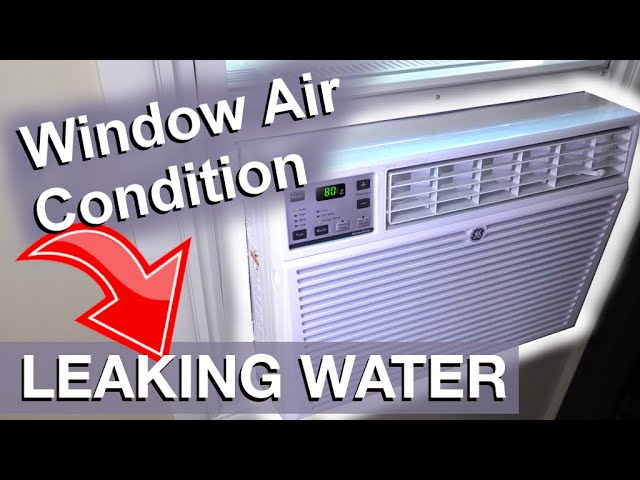
A window-type air conditioner dripping water, especially inside your home, is a common problem that can lead to bigger issues if left unaddressed. Not only is it annoying to deal with dripping water, but it can also damage your walls, floors, and furniture. It often happens during periods of high humidity or after prolonged use. Addressing this promptly is important to prevent mold growth and further water damage. This guide will walk you through easy-to-understand steps to diagnose and fix the dripping, so you can get back to enjoying cool and comfortable air.
💡 Technical Key Takeaways:
- Core Focus: Diagnostic schematic and terminal connection layout for Window Type Aircon Water Dripping.
- Target Scope: Field technicians, automotive DIYers, and residential/commercial electricians.
- Safety Rule: Always disconnect the primary power source/battery terminal and verify zero voltage with a multimeter before touching wires.
Common Causes of Window Type Aircon Water Dripping
Here are some of the most common reasons why your window AC might be dripping:
- Clogged Drain: Dirt, dust, and debris can block the drain, causing water to back up and overflow.
- Improper Installation: If the unit isn’t tilted slightly downwards and outwards, water can’t drain properly.
- Dirty Air Filter: A clogged filter reduces airflow, causing the evaporator coil to freeze. When the ice melts, it drips.
- Low Refrigerant: Low refrigerant can also cause the coil to freeze, leading to dripping.
- Damaged or Cracked Drain Pan: The drain pan collects water, and cracks can cause leaks.
- Excessive Humidity: On very humid days, the AC has to remove a lot of moisture, which can overwhelm the drainage system.
- Dirty Evaporator Coil: Dust and grime on the coil can prevent proper condensation and drainage.
- Kinked or Blocked Drain Hose: If the drain hose (if your unit has one) is kinked or blocked, water won’t drain.
Symptoms Checklist
Check these indicators to help pinpoint the problem:
- Water dripping inside the room
- Water dripping outside but excessively
- Ice forming on the cooling fins
- Musty or moldy smell
- Air conditioner not cooling as well as usual
- Loud or unusual noises from the unit
- Visible dirt or debris on the air filter
How to Fix Window Type Aircon Water Dripping Step-by-Step Guide
Follow these steps to troubleshoot your dripping AC:
- Safety First: Unplug the air conditioner from the power outlet before starting any inspection or repair.
- Inspect the Air Filter: Remove the air filter and check if it’s dirty. If so, wash it with mild soap and water or replace it with a new one. Allow it to dry completely before reinstalling.
- Check the Installation Angle: Ensure the AC unit is slightly tilted downwards towards the outside. Use a level to verify. You might need to adjust the mounting brackets or add shims to achieve the correct angle.
- Clean the Drain: Locate the drain opening (usually a small hole at the back of the unit). Use a straightened paperclip, pipe cleaner, or small wire to gently clear any obstructions.
- Inspect the Drain Pan: If you can access the drain pan (usually by removing the outer casing), check for cracks or damage. Clean out any standing water and debris.
- Clean the Evaporator Coils: Use a fin comb or a soft brush to gently remove dust and debris from the evaporator coils. Be careful not to bend the fins.
- Check the Drain Hose (if applicable): If your AC has a drain hose, inspect it for kinks or blockages. Disconnect the hose and flush it with water to remove any obstructions.
- Remove Ice Buildup: If you see ice on the coils, turn off the AC and let the ice melt completely. This might take several hours.
- Reassemble the Unit: Once you’ve completed the cleaning and inspection, carefully reassemble the AC unit.
- Test the AC: Plug the AC back in and turn it on. Observe if the dripping has stopped.
- Monitor for Continued Dripping: Keep an eye on the unit for the next few hours to ensure the problem is resolved.
- Run a Fan: To reduce condensation, especially on humid days, run a fan in the room along with the AC. This helps circulate the air.
Fix the Issue Without Buying Parts
Here are some ways to address the issue without immediate part replacement:
- Reset the AC: Unplug the unit for at least 15 minutes to reset it. This can sometimes resolve minor issues.
- Deep Cleaning: Regularly clean the air filter and the exterior of the unit to prevent dust buildup.
- Monitor Humidity: On extremely humid days, consider using a dehumidifier in the room to reduce the load on the AC.
- Routine Inspection: Check the unit periodically for any signs of damage or debris buildup.
When Replacement Might Be Necessary
If the dripping persists after trying the above steps, or if you find any of the following, replacement might be needed:. For more related activities, check out our Trane Air Conditioner Water Leaking.
- Extensive Damage: If the drain pan is severely cracked or the coils are heavily corroded.
- Refrigerant Leak: If you suspect a refrigerant leak (you’ll usually need a professional to confirm this).
- Unit Age: If the AC is very old and inefficient, it might be more cost-effective to replace it with a newer model.
Replacement costs can range from $150 to $500+ USD, depending on the size and features of the new unit. Common parts that fail include the drain pan, evaporator coil, and compressor.
Safety Warning
- Always unplug the air conditioner before performing any maintenance or repairs.
- Avoid touching electrical components with wet hands.
- Be careful when handling sharp objects like screwdrivers.
- Clean up any water spills immediately to prevent slips and falls.
Tools You May Need
- Screwdriver (Phillips head and flathead)
- Level
- Pliers
- Flashlight
- Small wire or pipe cleaner
- Fin comb or soft brush
- Mild soap and water
- Clean cloths
FAQ
Here are some frequently asked questions about window AC dripping:
- Q: Why is my new AC unit dripping? A: Even new units can drip if not installed correctly. Make sure it’s tilted slightly outwards.
- Q: How often should I clean the air filter? A: At least once a month, or more often if you have pets or allergies.
- Q: Can low refrigerant cause dripping? A: Yes, low refrigerant can cause the coils to freeze, leading to dripping when the ice melts.
- Q: Is it normal for an AC to drip outside? A: Yes, some dripping outside is normal as the unit removes moisture from the air. However, excessive dripping could indicate a problem.
Conclusion
Troubleshooting a dripping window air conditioner can seem daunting, but with these steps, you can often solve the problem yourself. Start with the simple checks and cleaning procedures. By following this guide, you can save money and keep your AC running smoothly. If you’ve tried everything and the dripping persists, it’s time to call a qualified HVAC technician. Most of the time, the fix is easy enough for a homeowner to attempt on their own!
Youtube Video:
Quick Wiring Specifications & Terminal Guide
| Component / Circuit | Standard Wire Gauge | Recommended Protection |
|---|---|---|
| Control & Trigger Signals | 18 – 20 AWG | 5A – 7.5A Inline Fuse |
| Standard Auxiliary Load | 14 – 16 AWG | 15A – 20A Circuit Breaker |
| Main Power Feed / Supply | 10 – 12 AWG | 30A – 40A Heavy-Duty Relay |
Images References
Looking for more diagnostic guides? Explore our complete Air Conditioner Troubleshooting 6 section for step-by-step troubleshooting solutions.
