
Introduction
Is your window air conditioner blowing warm air instead of a refreshing breeze? A window air conditioner that doesn’t cool can be incredibly frustrating, especially during the sweltering summer months. It not only makes your home uncomfortable but can also lead to higher energy bills as the unit works harder trying to reach the desired temperature. Addressing this issue promptly is essential to restore comfort and avoid further problems.
💡 Technical Key Takeaways:
- Core Focus: Diagnostic schematic and terminal connection layout for Window Air Conditioner Doesn T Cool.
- Target Scope: Field technicians, automotive DIYers, and residential/commercial electricians.
- Safety Rule: Always disconnect the primary power source/battery terminal and verify zero voltage with a multimeter before touching wires.
Common Causes of window air conditioner doesn t cool
Here are some common reasons why your window air conditioner might not be cooling properly:
- Dirty Air Filter: A clogged air filter restricts airflow, making the unit work harder and reducing cooling efficiency.
- Dirty Coils: Dust and debris can accumulate on the evaporator and condenser coils, insulating them and preventing heat transfer.
- Blocked Airflow: Obstructions around the unit, both inside and outside, can restrict airflow and diminish cooling performance.
- Low Refrigerant: A refrigerant leak can cause the unit to lose its cooling capacity.
- Frozen Evaporator Coil: This can occur due to restricted airflow or low refrigerant levels.
- Faulty Fan Motor: A malfunctioning fan motor can prevent proper air circulation across the coils.
- Incorrect Size for the Room: If the unit is too small for the room, it won’t be able to cool it effectively.
- Sunlight Exposure: Direct sunlight on the unit can increase the heat load and reduce its cooling efficiency.
Symptoms Checklist
Check for these indicators to accurately identify the issue:
- Air blowing from the unit feels warm or only slightly cooler than room temperature.
- The unit is running constantly but not cooling the room.
- Ice buildup on the evaporator coils.
- Unusual noises coming from the unit.
- The unit is cycling on and off frequently (short cycling).
- Higher than usual energy bills.
How to Fix window air conditioner doesn t cool Step-by-Step Guide
Follow these steps to troubleshoot and fix your window air conditioner:
- Unplug the Unit: Always disconnect the air conditioner from the power outlet before performing any maintenance or repairs.
- Clean the Air Filter: Remove the air filter and wash it with mild soap and water. Allow it to dry completely before reinstalling.
- Clean the Coils: Use a vacuum cleaner with a brush attachment to remove dust and debris from the evaporator and condenser coils. You can also use a fin comb to straighten bent fins.
- Check for Obstructions: Ensure that there are no curtains, furniture, or other objects blocking airflow to or from the unit. Make sure outdoor plants or debris are not blocking the back of the unit.
- Inspect the Fan: Check the fan blades for any damage or obstructions. Make sure the fan is spinning freely.
- Check the Thermostat: Ensure the thermostat is set to the correct temperature and mode (cool). Sometimes the thermostat can be faulty.
- Check the Seals: Ensure the unit is properly sealed in the window to prevent air leaks. Use weather stripping or foam to seal any gaps.
- Defrost the Coils (if frozen): If you see ice buildup, turn off the unit and let it defrost completely. This may take several hours.
- Check the Drain: Ensure the drain hole is not clogged, allowing water to properly drain. A clogged drain can lead to water damage and reduced cooling.
- Restart the Unit: After completing the above steps, plug the unit back in and turn it on. Observe its performance.
- Consider the Time of Day: If it’s extremely hot outside and the sun is directly hitting the unit, it may struggle to cool effectively. Try closing blinds or curtains to reduce the heat load.
- Reduce the Room’s Heat Load: Minimize heat-generating activities like cooking or using heat-producing appliances in the room.
Fix the Issue Without Buying Parts
Here are some free methods to try:
- Reset the Unit: Unplug the air conditioner for 15-20 minutes, then plug it back in. This can sometimes reset the internal components and resolve minor issues.
- Thorough Cleaning: Deep clean the entire unit, including the filter, coils, and exterior.
- Recalibrate the Thermostat: Some units have a calibration setting for the thermostat. Consult the owner’s manual for instructions.
- Inspect for Air Leaks: Carefully inspect around the unit for any gaps or cracks that could be letting warm air in.
- Regular Maintenance: Regularly clean the filter and coils to prevent future problems.
When Replacement Might Be Necessary
If the air conditioner is very old (over 10 years), has significant rust or corrosion, or requires frequent repairs, replacement might be the best option. Refrigerant leaks that can’t be repaired cost effectively might also lead to replacement. Expect to pay between $150 and $500 for a new window air conditioner, depending on the size and features. Common parts that fail include the compressor, fan motor, and electronic control board. For more related activities, check out our Window Ac Unit Loud Humming Noise.
Safety Warning
- Always unplug the air conditioner before performing any maintenance or repairs.
- Avoid working on the unit with wet hands or on a wet floor.
- Be careful when handling sharp objects, such as fin combs.
- If you are not comfortable performing any of these steps, consult a qualified technician.
- Ensure the unit is properly grounded.
Tools You May Need
- Screwdriver (Phillips and flathead)
- Vacuum cleaner with brush attachment
- Fin comb
- Mild soap and water
- Weather stripping or foam
- Adjustable wrench
FAQ
Here are some frequently asked questions:
- Q: Why is my air conditioner blowing warm air even after I cleaned the filter? A: The coils might still be dirty, or there could be a refrigerant leak.
- Q: How often should I clean the air filter? A: Clean the air filter every 2-4 weeks, or more often if you have pets or allergies.
- Q: What does “BTU” mean and how does it affect cooling? A: BTU stands for British Thermal Unit, and it measures the cooling capacity of the unit. A higher BTU rating means the unit can cool a larger room.
- Q: How do I know if my air conditioner needs more refrigerant? A: Signs of low refrigerant include warm air, ice buildup, and hissing noises. Contact a qualified technician to recharge the refrigerant.
- Q: My unit is making a loud buzzing noise. What could that be? A: A buzzing noise could indicate a loose component, a faulty fan motor, or a problem with the compressor.
- Q: How can I make my air conditioner more energy-efficient? A: Clean the filter regularly, seal air leaks, and use the unit only when needed. Also, consider investing in an energy-efficient model.
Conclusion
Troubleshooting a window air conditioner that isn’t cooling can seem daunting, but by following these steps, you can often diagnose and fix the problem yourself. Remember to prioritize safety and consult a qualified technician if you’re unsure about any of the procedures. Taking these steps yourself can save you money and keep you comfortable during the hot summer months. Good luck!
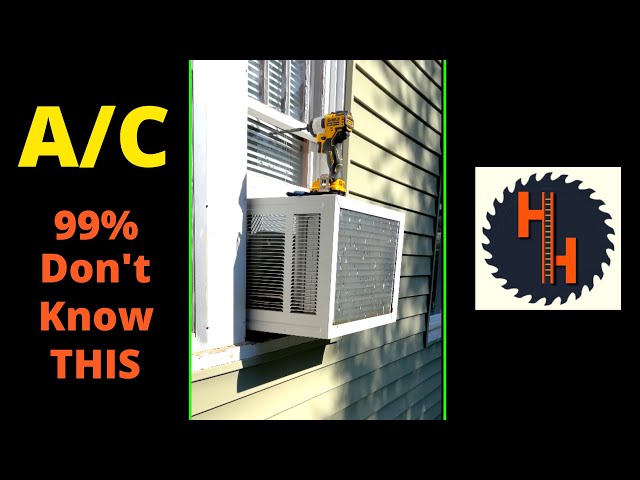
Youtube Video:
Quick Wiring Specifications & Terminal Guide
| Component / Circuit | Standard Wire Gauge | Recommended Protection |
|---|---|---|
| Control & Trigger Signals | 18 – 20 AWG | 5A – 7.5A Inline Fuse |
| Standard Auxiliary Load | 14 – 16 AWG | 15A – 20A Circuit Breaker |
| Main Power Feed / Supply | 10 – 12 AWG | 30A – 40A Heavy-Duty Relay |
Images References
Looking for more diagnostic guides? Explore our complete Air Conditioner Troubleshooting 6 section for step-by-step troubleshooting solutions.
