
Introduction
A window AC unit that refuses to turn on can be incredibly frustrating, especially during hot weather. This problem can arise suddenly, leaving you sweltering and uncomfortable. Understanding the potential causes and knowing how to troubleshoot the issue yourself can save you time and money before calling for professional help. Addressing the issue promptly is important to prevent further damage to the unit and ensure a comfortable living environment.
💡 Technical Key Takeaways:
- Core Focus: Diagnostic schematic and terminal connection layout for Window Ac Unit Will Not Turn On.
- Target Scope: Field technicians, automotive DIYers, and residential/commercial electricians.
- Safety Rule: Always disconnect the primary power source/battery terminal and verify zero voltage with a multimeter before touching wires.
Common Causes of window ac unit will not turn on
Here are some common reasons why your window AC unit might not be turning on:
- No Power: The unit isn’t receiving electricity. This is often due to a tripped breaker or a unplugged cord.
- Tripped Circuit Breaker: The circuit breaker dedicated to the AC unit has tripped to prevent overloading.
- Faulty Power Cord: The power cord is damaged or frayed, preventing electricity from reaching the unit.
- Remote Control Issues: The remote’s batteries are dead, or the remote is malfunctioning, unable to send the “on” signal.
- Unit is Unresponsive: The display lights are off.
- Malfunctioning Thermostat: The thermostat isn’t registering the room temperature or sending the signal to start cooling.
- Dirty Air Filter: A severely clogged air filter can restrict airflow, causing the unit to overheat and shut down as a safety precaution.
- Internal Component Failure: A capacitor, compressor, or other internal part has failed.
- Overload Protection: The units internal overload protection switch activated due to overheating.
- Condensate Overflow: Some units have a sensor that shuts them off if the condensate pan is full.
Symptoms Checklist
Here’s a checklist to help you pinpoint the problem:
- No lights are on the AC unit’s control panel.
- The AC unit is plugged in, but nothing happens when you press the power button.
- The circuit breaker for the AC unit has tripped.
- The remote control isn’t working, even with fresh batteries.
- The AC unit makes a clicking sound but doesn’t start.
- The air filter is visibly dirty or clogged.
- The AC unit was working fine, then suddenly stopped.
How to Fix window ac unit will not turn on Step-by-Step Guide
Follow these steps to troubleshoot your window AC unit:
- Check the Power Cord: Make sure the power cord is securely plugged into both the AC unit and the wall outlet.
- Inspect the Outlet: Test the outlet with another device (like a lamp) to ensure it’s working. If not, try a different outlet.
- Reset the Circuit Breaker: Locate the circuit breaker for the AC unit in your electrical panel. If it’s tripped (the switch is in the middle or “off” position), flip it fully to the “off” position and then back to the “on” position.
- Check the Remote Control: Replace the batteries in the remote control. Ensure there are no obstructions between the remote and the AC unit’s sensor. Try pointing the remote directly at the unit.
- Reset the AC Unit: Some AC units have a reset button. Look for a small button (often near the power cord) and press it. Alternatively, unplug the unit from the wall for 15 minutes, then plug it back in.
- Clean the Air Filter: Remove the air filter and clean it thoroughly with soap and water. Let it dry completely before reinstalling it.
- Check for Ice Buildup: If you suspect ice buildup, unplug the unit and let it thaw completely. This can take several hours.
- Inspect the Condensate Drain: Make sure the condensate drain is not clogged. If it is, carefully clear the blockage. (Consult your owner’s manual for the drain location.)
- Thermostat Setting: Even for basic AC units, confirm the thermostat is set below room temperature. A setting above room temp will not engage the compressor.
- Look for Physical Damage: Carefully inspect the unit for any signs of physical damage, such as cracks, dents, or loose wiring. If you see any damage, unplug the unit and consult a qualified technician.
- Listen for Sounds: When you attempt to turn on the unit, listen carefully. A humming sound might indicate a motor issue, while a clicking sound could point to a relay problem. These often require professional attention.
- Allow Time: After making any changes (resetting the breaker, cleaning the filter), give the unit a few minutes to respond. Some AC units have built-in delays.
Fix the Issue Without Buying Parts
Many AC unit problems can be resolved without replacing parts:
- Resetting: Unplugging the unit and plugging it back in can sometimes reset the system.
- Cleaning: Regularly cleaning the air filter prevents overheating and improves efficiency.
- Inspection: Visually inspecting the unit for any obvious signs of damage or blockage can help identify the problem early.
- Maintenance Basics: Wipe down the exterior of the unit regularly to remove dust and debris. Check and clean the fins on the back (outdoor side) of the unit. Use a fin comb if necessary, but be gentle.
When Replacement Might Be Necessary
If you’ve tried all the troubleshooting steps and your AC unit still won’t turn on, it might be time to consider replacement. Common failing parts include the compressor (expensive), the capacitor (less expensive), or the control board. A replacement AC unit can cost between $150 and $500+, depending on the size and features. If the unit is old, replacement may be the most cost-effective choice.
Safety Warning
- Always unplug the AC unit from the power outlet before performing any maintenance or repairs.
- Avoid working on electrical appliances while standing on a wet floor.
- If you are uncomfortable working with electricity, consult a qualified technician.
- Never attempt to repair the unit if you smell burning or see smoke.
Tools You May Need
- Screwdriver (Phillips and flathead)
- Flashlight
- Multimeter (for testing voltage, optional but helpful)
- Air filter cleaning supplies (soap, water, brush)
- Fin comb (for straightening bent fins, optional)
FAQ
Here are some frequently asked questions about AC unit troubleshooting:
-
Q: My AC unit trips the circuit breaker immediately. What should I do?
A: This usually indicates a short circuit or an overloaded circuit. Unplug the AC unit and consult a qualified electrician. -
Q: The fan runs, but the air isn’t cold. What’s wrong?
A: This could be due to a refrigerant leak or a malfunctioning compressor. Contact a qualified technician. -
Q: How often should I clean the air filter?
A: Clean the air filter every 1-3 months, depending on usage and air quality. -
Q: Can I use an extension cord with my AC unit?
A: It’s generally not recommended to use an extension cord with an AC unit, as it can cause overheating and pose a fire hazard. If you must use one, make sure it’s a heavy-duty extension cord designed for appliances.
Conclusion
Troubleshooting a window AC unit that won’t turn on can seem daunting, but by following these steps, you can often identify and resolve the issue yourself. Remember to prioritize safety and consult a qualified technician if you’re uncomfortable with any of the procedures. Attempting DIY repairs first can often save you money. Don’t hesitate to call a professional if the problem persists.
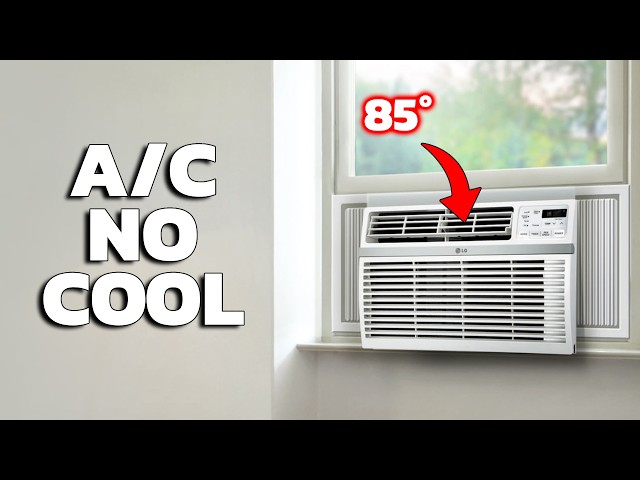
Youtube Video:
Quick Wiring Specifications & Terminal Guide
| Component / Circuit | Standard Wire Gauge | Recommended Protection |
|---|---|---|
| Control & Trigger Signals | 18 – 20 AWG | 5A – 7.5A Inline Fuse |
| Standard Auxiliary Load | 14 – 16 AWG | 15A – 20A Circuit Breaker |
| Main Power Feed / Supply | 10 – 12 AWG | 30A – 40A Heavy-Duty Relay |
Images References
Looking for more diagnostic guides? Explore our complete Air Conditioner Troubleshooting 6 section for step-by-step troubleshooting solutions.
