
Introduction
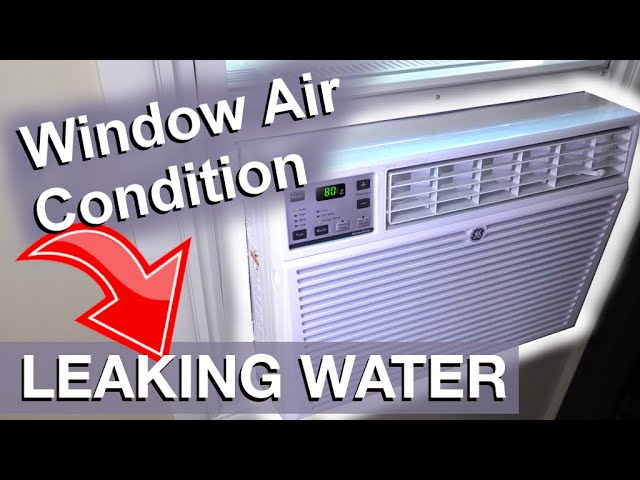
A window AC dripping water, either inside or outside, is a common problem that many homeowners face. While a little condensation is normal, excessive dripping can indicate a more serious issue that needs attention. Ignoring a leaking AC can lead to water damage to your walls, floors, and furniture, as well as encourage mold growth. Addressing the problem promptly can save you money and headaches in the long run. Explore more in our Air Conditioner Troubleshooting 6 collection.
💡 Technical Key Takeaways:
- Core Focus: Diagnostic schematic and terminal connection layout for Window Ac Dripping Water.
- Target Scope: Field technicians, automotive DIYers, and residential/commercial electricians.
- Safety Rule: Always disconnect the primary power source/battery terminal and verify zero voltage with a multimeter before touching wires.
Common Causes of Window AC Dripping Water
Here are some of the most frequent reasons why your window AC might be leaking:
- Clogged Drainpipe: This is the most common culprit. Dirt, dust, and debris can build up in the drainpipe, preventing water from escaping properly.
- Dirty Air Filter: A clogged air filter restricts airflow, causing the evaporator coil to freeze. As the ice melts, it drips water.
- Incorrect Installation Angle: Window AC units should be slightly tilted outwards to allow condensation to drain outside.
- Damaged Drain Pan: The drain pan collects condensation. If it’s cracked or rusted, water will leak.
- Frozen Evaporator Coil: As mentioned before, a dirty air filter or low refrigerant can cause the coil to freeze.
- Low Refrigerant: While less common in window units, low refrigerant can lead to evaporator coil freezing.
- Humid Weather: In extremely humid conditions, the AC unit may produce more condensation than it can handle, resulting in dripping.
- Bent or Kinked Drain Hose: If your unit uses a drain hose, a bend can block the drainage.
Symptoms Checklist
Here’s a checklist to help you pinpoint the problem:
- Water dripping inside the room near the AC.
- Water dripping excessively from the outside of the AC.
- Visible ice buildup on the AC unit’s coils.
- The AC unit is making unusual noises.
- Reduced cooling performance.
- Musty odor coming from the AC.
How to Fix Window AC Dripping Water Step-by-Step Guide
Follow these steps to troubleshoot and fix your leaky window AC:
- Safety First: Unplug the AC unit from the power outlet.
- Inspect the Air Filter: Remove the air filter and check if it’s dirty. If it is, wash it with mild soap and water or replace it with a new one. Let it dry completely before putting it back.
- Check the Installation Angle: Ensure the AC unit is slightly tilted outwards. Use a level to verify the angle. Adjust as needed using shims or wood pieces under the unit.
- Locate the Drainpipe: Find the drainpipe or drain hole at the back or bottom of the unit.
- Clean the Drainpipe: Use a straightened coat hanger, pipe cleaner, or small brush to gently clear any debris from the drainpipe. You can also use a wet/dry vacuum cleaner to suck out any clogs.
- Check the Drain Pan: If accessible, inspect the drain pan for cracks, rust, or debris. Clean it thoroughly with a damp cloth.
- Melt Ice Buildup (If Any): If you see ice on the coils, allow the unit to thaw completely. You can speed this up by using a hairdryer on a low setting, but be careful not to melt any plastic parts.
- Inspect the Drain Hose (If Applicable): If your unit has a drain hose, check for kinks, bends, or blockages. Straighten the hose and clear any obstructions.
- Reassemble the AC Unit: Once everything is clean and clear, reassemble the AC unit.
- Test the AC Unit: Plug the AC unit back into the power outlet and turn it on. Monitor for leaks.
- Run the AC for a Few Hours: Allow the AC to run for a few hours to ensure the dripping issue is resolved.
- Check the Room Humidity: Excessively humid rooms can cause more condensation, so consider using a dehumidifier in the room if the issue persists.
Fix the Issue Without Buying Parts
Before you consider replacing any parts, try these free methods:
- Regular Cleaning: Clean the air filter every 2-4 weeks to prevent clogs and airflow issues.
- Proper Installation: Ensure the unit is correctly installed with the proper outward tilt.
- Inspect Regularly: Periodically check the drainpipe and drain pan for debris.
- Reset the AC: Unplug the AC unit for 15 minutes to reset its internal components.
When Replacement Might Be Necessary
If you’ve tried all the troubleshooting steps and the AC is still leaking, it may be necessary to replace the drain pan (if badly damaged), or the entire unit. Replacing a window AC unit can range from $150 to $500 depending on the size and features. Common parts that fail are the drain pan (cracks from age), or internal pump (if it is equipped). However, before replacing, it’s best to consult a qualified HVAC technician to get a professional opinion.
Safety Warning
- Always unplug the AC unit before performing any maintenance or repairs.
- Never work on electrical appliances with wet hands.
- Be careful when handling sharp objects like screwdrivers and knives.
- Avoid getting water on electrical components.
- Clean up any spilled water immediately to prevent slips and falls.
Tools You May Need
- Screwdriver (Phillips and Flathead)
- Pliers
- Wet/Dry Vacuum Cleaner
- Coat Hanger or Pipe Cleaner
- Mild Soap and Water
- Clean Cloth
- Level
- Shims or Wood Pieces (for adjusting the angle)
FAQ
Here are some frequently asked questions about window AC leaking water:
- Q: Why is my AC dripping water inside? A: Most likely, the drainpipe is clogged, or the unit is not tilted correctly.
- Q: Is it normal for my AC to drip water outside? A: Yes, some dripping is normal as the unit removes humidity from the air. However, excessive dripping indicates a problem.
- Q: How often should I clean my AC filter? A: Every 2-4 weeks, depending on usage and air quality.
- Q: Can I use bleach to clean the drainpipe? A: While bleach can be effective, it can also damage some materials. Use a mild soap and water solution first.
Conclusion
Troubleshooting a leaky window AC can seem daunting, but with this guide, you can tackle the problem yourself! Remember to prioritize safety and follow the steps carefully. By addressing the issue promptly, you can prevent water damage and ensure your AC unit runs efficiently. If you’ve tried these steps and the problem persists, don’t hesitate to call a qualified technician for assistance. Good luck!. Discover more free resources across our collection library.
Youtube Video:
Quick Wiring Specifications & Terminal Guide
| Component / Circuit | Standard Wire Gauge | Recommended Protection |
|---|---|---|
| Control & Trigger Signals | 18 – 20 AWG | 5A – 7.5A Inline Fuse |
| Standard Auxiliary Load | 14 – 16 AWG | 15A – 20A Circuit Breaker |
| Main Power Feed / Supply | 10 – 12 AWG | 30A – 40A Heavy-Duty Relay |
