
Introduction
Discovering your Whirlpool washing machine filled with water but refusing to run is a common and frustrating experience. It means your laundry is stuck, your clothes are soaking, and your routine is disrupted. This issue usually indicates a problem preventing the motor from engaging, and the sooner you address it, the better to avoid potential water damage or more costly repairs. This guide will walk you through simple troubleshooting steps you can take to get your washer running again.
💡 Technical Key Takeaways:
- Core Focus: Diagnostic schematic and terminal connection layout for Whirlpool Washing Machine Fills With Water But Will Not Run.
- Target Scope: Field technicians, automotive DIYers, and residential/commercial electricians.
- Safety Rule: Always disconnect the primary power source/battery terminal and verify zero voltage with a multimeter before touching wires.
Common Causes of Whirlpool Washing Machine Fills With Water But Will Not Run
Here are some of the most frequent reasons why your Whirlpool washer might be filling but not starting:. For more related activities, check out our Ge Washer Not Agitating.
- Lid Switch Malfunction: The lid switch ensures the washer only runs when the lid is closed. If it’s broken, the washer won’t start even with water inside.
- Motor Overload: If the motor overheats, it might shut down as a safety measure. This can happen if the washer is overloaded or the motor is struggling.
- Drive Belt Issues: A worn, loose, or broken drive belt can prevent the drum from turning, even if the motor is trying to start.
- Faulty Door Lock: Front-load washers have a door lock mechanism. A faulty lock can prevent the machine from starting the cycle.
- Clogged Drain Pump: If the drain pump is clogged, the washer might be unable to recognize an empty tub, preventing it from starting the wash cycle.
- Control Board Problems: The control board is the “brain” of the washer. A malfunction here can lead to all sorts of issues, including a failure to start.
- Water Level Sensor Problems: If the water level sensor is faulty it may not be able to determine the correct water level and could be preventing the machine from starting.
- Obstructed Pump: A sock, small article of clothing, or other object can block the drain pump, preventing proper operation.
Symptoms Checklist
Use this checklist to confirm the issue:
- The washing machine fills with water normally.
- The washing machine makes no noise when attempting to start.
- The drum does not rotate at all.
- The control panel lights up, but the cycle won’t start.
- An error code may or may not be displayed on the control panel.
- The door or lid appears to be closed and latched properly.
How to Fix Whirlpool Washing Machine Fills With Water But Will Not Run Step-by-Step Guide
Follow these steps to troubleshoot your washing machine:
- Unplug the Washing Machine: For safety, disconnect the washer from the power outlet before starting any troubleshooting.
- Check the Lid Switch (Top-Load Washers): Open the lid and manually depress the lid switch with your finger. If you don’t hear a click, the switch might be faulty.
- Inspect the Door Lock (Front-Load Washers): Make sure the door is fully closed. Try opening and firmly closing it again. Listen for a click indicating the door lock has engaged.
- Check the Water Level: Verify that the water level is appropriate for the selected cycle. Too much or too little water can prevent the washer from starting.
- Examine the Drain Hose: Ensure the drain hose is not kinked or clogged. A blocked hose can prevent the washer from draining properly, which might stop it from starting.
- Clean the Drain Pump Filter: Locate the drain pump (usually at the bottom front of the washer, behind a small access panel). Remove the panel, carefully unscrew the drain pump cap (be prepared for some water spillage), and clean out any debris.
- Check for Error Codes: Look for any error codes displayed on the control panel. Consult your owner’s manual to understand what the code means and how to resolve it.
- Reset the Washer: Some washers can be reset by unplugging them for 1-2 minutes and then plugging them back in. This can sometimes clear minor glitches.
- Check the Motor: If you can access the motor (usually at the back of the washer), check for any visible signs of damage or overheating.
- Inspect the Drive Belt: If your washer has a drive belt (usually located at the back of the washer), check that it’s in good condition and properly tensioned. A loose or broken belt will need to be addressed.
- Check the Water Inlet Valves: Inspect the water inlet valves where the water hoses connect to the washer. Make sure the screens are clean and free of debris.
- Look for Obstructions: Manually rotate the drum to see if it turns freely. If there’s resistance, something might be lodged inside.
- Check the Motor Coupler: If you are more technically inclined you can check the motor coupler between the motor and transmission. (Youtube will have videos).
Fix the Issue Without Buying Parts
Try these free methods before considering replacements:
- Washer Reset: Unplug the washer for 5 minutes to reset the electronics.
- Drain Pump Cleaning: Regularly clean the drain pump filter to prevent clogs.
- Proper Loading: Avoid overloading the washer to prevent motor strain.
- Hose Inspection: Periodically check water hoses for kinks or obstructions.
When Replacement Might Be Necessary
If the control board is faulty or the motor is severely damaged, replacement might be necessary. Control board replacements can range from $100-$300 USD, while a new motor can cost $150-$400 USD. Parts like the lid switch or drain pump are less expensive, typically ranging from $20-$80 USD. A severely damaged washing machine might be better off being replaced instead of repaired, if the cost of the parts and repair service are equal or more than a new machine.
Safety Warning
- Always unplug the washing machine before attempting any repairs.
- Avoid standing in water while working with electrical appliances.
- Be careful when handling sharp tools or accessing internal components.
- If you’re not comfortable with electrical or mechanical repairs, call a qualified technician.
Tools You May Need
- Screwdrivers (Phillips and flathead)
- Pliers
- Adjustable wrench
- Multimeter (for testing electrical components – optional)
- Towel or bucket (for water spillage)
FAQ
Here are some frequently asked questions:
- Q: Why is my washer filling with water but not spinning? A: Usually, it’s a lid switch issue, motor overload, or a problem with the drive belt.
- Q: How do I reset my Whirlpool washing machine? A: Unplug it for 1-2 minutes, then plug it back in.
- Q: Can a clogged drain pump cause the washer not to start? A: Yes, a clogged drain pump can prevent the washer from recognizing an empty tub, which can stop it from starting the wash cycle.
- Q: What does it mean when my Whirlpool washer displays an error code? A: Error codes indicate specific problems. Consult your owner’s manual or the Whirlpool website to determine the code’s meaning.
Conclusion
Troubleshooting a Whirlpool washing machine that fills with water but doesn’t run can often be resolved with these simple steps. By following this guide, you can save time and money by attempting a DIY fix first. However, if you encounter complex issues or feel uncomfortable, don’t hesitate to call a qualified appliance repair technician. They can diagnose and resolve the problem efficiently and safely.
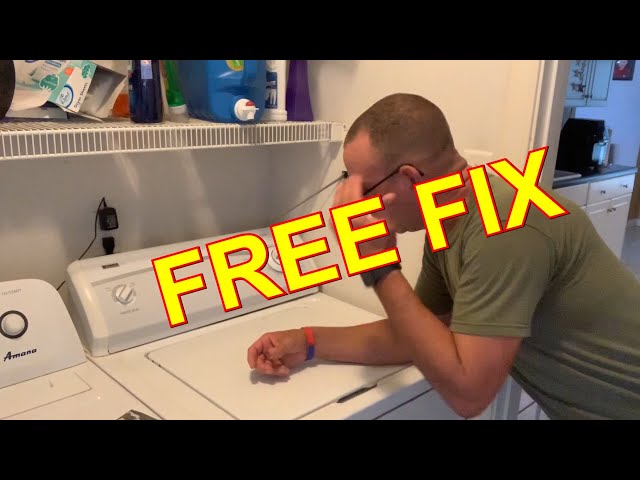
Youtube Video:
Quick Wiring Specifications & Terminal Guide
| Component / Circuit | Standard Wire Gauge | Recommended Protection |
|---|---|---|
| Control & Trigger Signals | 18 – 20 AWG | 5A – 7.5A Inline Fuse |
| Standard Auxiliary Load | 14 – 16 AWG | 15A – 20A Circuit Breaker |
| Main Power Feed / Supply | 10 – 12 AWG | 30A – 40A Heavy-Duty Relay |
Images References
Looking for more diagnostic guides? Explore our complete Washing Machine Problems 1 section for step-by-step troubleshooting solutions.
