
Introduction
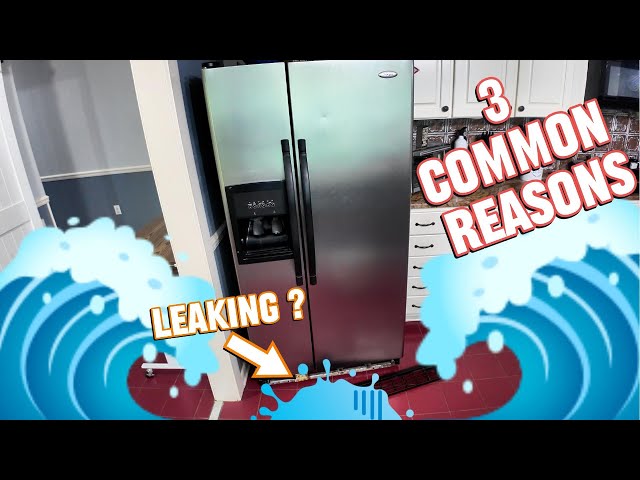
Discovering water leaking from your Whirlpool refrigerator can be frustrating and concerning. It’s not just a nuisance; it can damage your floors, encourage mold growth, and indicate a larger problem with your appliance. Common situations include puddles under the fridge, water inside the fridge compartment, or even leaks behind the appliance. Addressing this promptly can prevent further damage and costly repairs. Let’s get this fixed!
💡 Technical Key Takeaways:
- Core Focus: Diagnostic schematic and terminal connection layout for Whirlpool Refrigerator Troubleshooting Water Leaking.
- Target Scope: Field technicians, automotive DIYers, and residential/commercial electricians.
- Safety Rule: Always disconnect the primary power source/battery terminal and verify zero voltage with a multimeter before touching wires.
Common Causes of Whirlpool Refrigerator Water Leaking
Here are some common reasons why your Whirlpool refrigerator might be leaking water:
- Clogged Defrost Drain: This is the most frequent culprit. The drain carries melted frost away, and if it’s blocked, water backs up and leaks.
- Frozen Water Line: If you have a water dispenser or ice maker, a frozen water line can crack or burst, causing a leak.
- Loose Water Line Connection: The connections to the water line, both at the fridge and the water supply, can loosen over time.
- Cracked Water Filter Housing: The housing holding the water filter can crack, especially during filter changes.
- Defective Water Filter: An improperly installed or defective water filter can leak.
- Damaged Drain Pan: This pan collects water from the defrost cycle. If it’s cracked, the water will leak onto the floor.
- Door Seal Problems: A damaged or dirty door seal can allow warm, moist air to enter, leading to excessive condensation and potential leaks.
- High Humidity: In humid environments, your refrigerator may work harder, leading to more condensation and potential leaks.
Symptoms Checklist
Use this checklist to identify the problem accurately:
- Puddle of water under the refrigerator.
- Water leaking from inside the refrigerator compartment.
- Water dripping from the ice maker or water dispenser.
- Ice buildup in the freezer.
- Water stains on the floor behind the refrigerator.
- Unusual noises coming from the refrigerator.
- Water filter replacement indicator light is on or blinking.
How to Fix Whirlpool Refrigerator Water Leaking Step-by-Step Guide
Follow these steps to troubleshoot and fix the leak:
- Unplug the Refrigerator: Always disconnect the power before working on any appliance.
- Locate the Water Source: Determine where the water is coming from. Check under the fridge, inside the fridge, and behind the fridge.
- Check the Defrost Drain: Locate the drain hole inside the freezer, usually at the back wall. Use a turkey baster or warm water to flush it out. A clogged drain is the most common cause. You can use a long, flexible object like a pipe cleaner or a thin wire to carefully clear the blockage.
- Inspect the Water Line: Examine the water line (if applicable) for any kinks, cracks, or loose connections. Tighten any loose connections.
- Check the Water Filter: Ensure the water filter is properly installed and securely in place. If its old, try replacing it with a new one.
- Inspect the Water Filter Housing: Look for any cracks or leaks in the water filter housing.
- Examine the Drain Pan: Locate the drain pan, usually at the bottom of the refrigerator. Check for cracks or damage. Empty the pan and clean it.
- Clean the Door Seals: Use a damp cloth to clean the door seals. Ensure they are making a tight seal when the door is closed.
- Adjust Refrigerator Temperature: Ensure the refrigerator and freezer temperatures are set correctly. Recommended settings are 37F (3C) for the refrigerator and 0F (-18C) for the freezer.
- Check for Ice Buildup: If you have ice buildup in the freezer, manually defrost the refrigerator to melt any ice that may be blocking the drain.
- Level the Refrigerator: Make sure your refrigerator is level. An unlevel refrigerator can cause water to leak. Use a level and adjust the feet at the bottom of the refrigerator.
- Monitor After Cleaning: After cleaning or adjusting any parts, plug the refrigerator back in and monitor it for a few hours to see if the leak has stopped.
Fix the Issue Without Buying Parts
Before considering replacement parts, try these free methods:
- Refrigerator Reset: Unplug the refrigerator for 30 minutes, then plug it back in. This can sometimes reset the system and resolve minor issues.
- Thorough Cleaning: Clean the interior of the refrigerator regularly to prevent food debris from clogging the drain.
- Visual Inspection: Regularly inspect all connections, hoses, and the drain pan for any signs of wear or damage.
- Adjust Temperature Settings: Correct temperature settings minimize condensation.
- Proper Loading: Avoid overfilling the refrigerator, as this can restrict airflow and lead to condensation.
When Replacement Might Be Necessary
If youve tried all the troubleshooting steps and the leak persists, a replacement part might be necessary. Common parts that fail include the water filter housing (estimated cost $50-$150 USD), the defrost heater ($30-$80 USD), or the drain pan ($20-$50 USD). If the refrigerator is old and the repair costs are high, consider whether a new refrigerator is a more cost-effective solution.
Safety Warning
- Always unplug the refrigerator before performing any maintenance or repairs.
- Be careful when working with water and electricity. Avoid creating a shock hazard.
- Clean up any spills immediately to prevent slips and falls.
- If you are uncomfortable performing any of these steps, contact a qualified appliance repair technician.
Tools You May Need
- Screwdrivers (Phillips and flathead)
- Adjustable wrench
- Turkey baster or syringe
- Pipe cleaner or flexible wire
- Clean cloths or towels
- Level
FAQ
Here are some frequently asked questions about refrigerator leaks:
- Q: Why is my refrigerator leaking after I changed the water filter? A: The filter might not be installed correctly, or the filter housing might be cracked. Double-check the installation and inspect the housing.
- Q: How often should I clean the defrost drain? A: It’s recommended to clean the defrost drain every 6 months to prevent clogs.
- Q: Can high humidity cause my refrigerator to leak? A: Yes, high humidity can lead to more condensation, which can cause leaks.
- Q: Is it safe to drink the water that’s been leaking? A: No, do not drink the leaking water, as it may contain bacteria or contaminants.
Conclusion
Troubleshooting a leaking Whirlpool refrigerator can seem daunting, but by following these steps, you can often identify and fix the problem yourself. Remember to prioritize safety and take your time. If you’re not comfortable with any of these steps, or if the leak persists, don’t hesitate to call a qualified appliance repair technician. Good luck!
Youtube Video:
Quick Wiring Specifications & Terminal Guide
| Component / Circuit | Standard Wire Gauge | Recommended Protection |
|---|---|---|
| Control & Trigger Signals | 18 – 20 AWG | 5A – 7.5A Inline Fuse |
| Standard Auxiliary Load | 14 – 16 AWG | 15A – 20A Circuit Breaker |
| Main Power Feed / Supply | 10 – 12 AWG | 30A – 40A Heavy-Duty Relay |
Images References
Looking for more diagnostic guides? Explore our complete Refrigerator Problems 5 section for step-by-step troubleshooting solutions.
