
Introduction
Is your Whirlpool front load washer leaving your clothes soaking wet after the spin cycle? A slow or non-existent spin can be frustrating, leading to extended drying times and potentially mildew buildup in your clothes. This often happens when the washer can’t reach its maximum spinning speed. Addressing this promptly is important to avoid damaging your clothes, prevent unpleasant odors, and ensure your washer continues to operate efficiently. Let’s get your washer spinning properly again!
💡 Technical Key Takeaways:
- Core Focus: Diagnostic schematic and terminal connection layout for Whirlpool Front Load Washer Won T Spin Fast.
- Target Scope: Field technicians, automotive DIYers, and residential/commercial electricians.
- Safety Rule: Always disconnect the primary power source/battery terminal and verify zero voltage with a multimeter before touching wires.
Common Causes of Whirlpool Front Load Washer Won’t Spin Fast
Here are some common reasons why your Whirlpool front load washer isn’t spinning fast enough:
- Overloading the Washer: Too many clothes in a single load can prevent the drum from spinning at its optimal speed.
- Unbalanced Load: Clothes bunched on one side of the drum create an imbalance, which triggers the washer’s safety mechanisms to slow down the spin.
- Clogged Drain Pump Filter: Debris like lint, hair, and small objects can clog the drain pump filter, hindering water drainage and affecting the spin cycle.
- Blocked Drain Hose: A kinked or clogged drain hose restricts water flow, preventing the washer from reaching the high spin speeds necessary for drying.
- Faulty Lid Switch/Door Lock: Although less common in front loaders, a malfunctioning door lock switch can prevent the spin cycle from initiating at full speed for safety reasons.
- Worn Drive Belt: The drive belt connects the motor to the drum. Over time, it can wear out, slip, or break, leading to reduced spinning power.
- Motor Issues: Problems with the washer’s motor, such as worn-out motor brushes or a failing motor, can significantly impair its ability to spin the drum at high speeds.
- Control Board Problems: Though rare, a malfunctioning control board can disrupt the spin cycle, causing it to spin slowly or not at all.
- Sud Surfactant/Soap Overuse: Excessive suds can interfere with the washer’s ability to drain and spin effectively.
Symptoms Checklist
Check for these indicators to pinpoint the problem:
- Clothes are excessively wet after the wash cycle.
- The washer drum spins slowly or not at all during the spin cycle.
- Unusual noises, such as grinding or squealing, during the spin cycle.
- Error codes displayed on the washer’s control panel.
- Water remains in the drum after the cycle ends.
- The washer shakes violently during the spin cycle.
How to Fix Whirlpool Front Load Washer Won’t Spin Fast Step-by-Step Guide
Follow these steps to troubleshoot and fix the issue:
- Unplug the Washer: For safety, always disconnect the washer from the power outlet before starting any repairs.
- Check for Overloading: Reduce the load size to see if it resolves the issue. A smaller load allows the washer to spin more effectively.
- Redistribute the Load: Manually redistribute the clothes inside the drum to ensure an even balance. Stop the washer and untangle clothes if needed.
- Clean the Drain Pump Filter: Locate the drain pump filter (usually at the bottom front of the washer behind a small access panel). Remove the filter and clean out any lint, hair, or debris. Rinse it thoroughly before reinserting.
- Inspect the Drain Hose: Check the drain hose for kinks, clogs, or blockages. Straighten any kinks and clear any obstructions you find. Disconnect the hose to flush it out with water.
- Run an Empty Cycle: Run an empty wash cycle with hot water and a cup of white vinegar to help clear any soap buildup or residue.
- Check the Door Lock/Lid Switch: Ensure the door is closing properly and the door lock engages. If it’s visibly damaged, this might require professional attention.
- Inspect the Drive Belt: Safety First: Disconnect the washer from power. Access the drive belt (usually by removing the back panel). Check for signs of wear, cracks, or slippage. If it’s loose or damaged, it might need to be replaced by a professional.
- Check for Excessive Suds: Use only HE (High-Efficiency) detergent and follow the manufacturer’s recommendations for the amount. Too much detergent can create excessive suds, hindering the spin cycle.
- Reset the Washer: Some washers can be reset by unplugging them for a few minutes and then plugging them back in. This can sometimes clear temporary errors.
- Run a Calibration Cycle: Some Whirlpool washers have a calibration cycle. Consult your owners manual for instructions on how to initiate this.
Fix the Issue Without Buying Parts
Often, you can resolve the issue without replacing any parts:
- Resetting the Washer: Unplug the washer for 5-10 minutes to reset the electronic controls.
- Cleaning the Drain Pump Filter and Drain Hose: Regular cleaning prevents clogs that affect the spin cycle.
- Recalibrating the Washer: Check your owners manual for calibration instructions.
- Load Balancing: Always distribute clothes evenly to prevent imbalances.
- Proper Detergent Use: Using the correct type and amount of detergent will reduce the suds issue.
When Replacement Might Be Necessary
If the above steps don’t resolve the issue, a part replacement might be needed. Here are some possibilities:. For more related activities, check out our Washing Machine Leaking From Draw.
- Drive Belt Replacement: $20-$50 USD (Professional installation recommended).
- Drain Pump Replacement: $50-$150 USD (Moderate DIY skill required).
- Motor Replacement: $150-$400 USD (Professional installation strongly recommended).
- Control Board Replacement: $200-$500 USD (Professional diagnosis and installation required).
Safety Warning
- Always unplug the washer before attempting any repairs.
- Avoid working on electrical components if you’re not comfortable or experienced.
- Be careful when handling water; avoid creating slip hazards.
- Wear gloves to protect your hands when cleaning or inspecting parts.
Tools You May Need
- Screwdrivers (Phillips and flathead)
- Pliers
- Bucket or container to catch water
- Towels
- Gloves
FAQ
Here are some frequently asked questions:
- Q: Why is my washer shaking violently during the spin cycle? A: This is usually caused by an unbalanced load. Redistribute the clothes or reduce the load size.
- Q: What does HE detergent mean? A: HE (High-Efficiency) detergent is formulated to produce fewer suds, which is essential for front load washers.
- Q: How often should I clean the drain pump filter? A: Clean the filter every 1-3 months, depending on usage and the amount of lint produced.
- Q: Can I use regular detergent in a front load washer? A: No, you should only use HE detergent to prevent excessive suds and damage to the washer.
- Q: How do I know if my washer needs to be recalibrated? A: If you notice unusual vibrations or performance issues even after balancing the load, recalibration may be necessary. Consult your owner’s manual.
Conclusion
Troubleshooting a slow-spinning Whirlpool front load washer can often be done with simple steps like cleaning filters and balancing loads. By following this guide, you can potentially save time and money by avoiding a costly service call. If the problem persists after trying these solutions, it might be time to consult a qualified appliance repair technician. Don’t hesitate to reach out for professional assistance to ensure your washer is repaired safely and effectively!
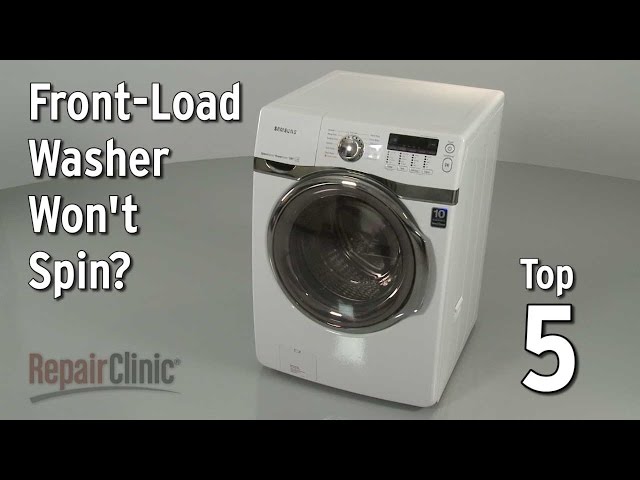
Youtube Video:
Quick Wiring Specifications & Terminal Guide
| Component / Circuit | Standard Wire Gauge | Recommended Protection |
|---|---|---|
| Control & Trigger Signals | 18 – 20 AWG | 5A – 7.5A Inline Fuse |
| Standard Auxiliary Load | 14 – 16 AWG | 15A – 20A Circuit Breaker |
| Main Power Feed / Supply | 10 – 12 AWG | 30A – 40A Heavy-Duty Relay |
Images References
Looking for more diagnostic guides? Explore our complete Washing Machine Problems 6 section for step-by-step troubleshooting solutions.
