Introduction
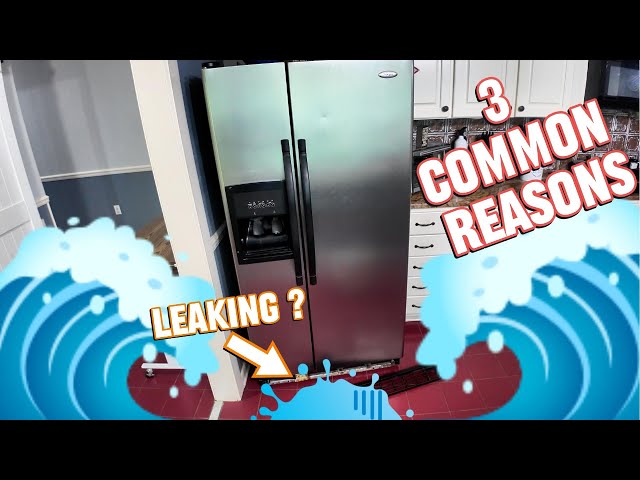
Discovering water leaking from the bottom of your Whirlpool refrigerator can be frustrating and concerning. It’s a sign that something isn’t working correctly within the appliance’s system. While a small leak might seem insignificant, it can lead to bigger problems like water damage to your floors, mold growth, and potentially even electrical hazards. Addressing the leak promptly is crucial to prevent further damage and ensure your fridge continues to function efficiently. It often happens after cleaning the fridge, a power outage, or simply out of the blue. Don’t delay; let’s troubleshoot this together!
Common Causes of Whirlpool Fridge Leaking from Bottom
Several factors can cause your Whirlpool refrigerator to leak. Here are some of the most common culprits:
- Clogged Defrost Drain: This is the most frequent cause. The defrost drain carries water from the defrost cycle to a pan under the fridge, and if it’s blocked, water overflows.
- Frozen Defrost Drain: Similar to a clog, ice can build up in the drain, preventing water from flowing.
- Cracked or Damaged Drain Pan: The drain pan, located at the bottom of the fridge, collects defrost water. If it’s cracked, it will leak.
- Loose or Damaged Water Line: If your fridge has an ice maker or water dispenser, the water line connecting it can become loose or damaged, causing leaks.
- Water Filter Housing Leak: The housing that holds the water filter can sometimes crack or become loose, especially after replacing the filter.
- High Humidity: In humid environments, condensation can form inside the fridge and eventually leak out.
- Overfilled Ice Maker: An improperly functioning ice maker might overfill, causing ice to melt and leak.
- Door Seal Issues: A worn or damaged door seal can allow warm, moist air to enter the fridge, leading to excessive condensation and leaks.
Symptoms Checklist
Use this checklist to pinpoint the problem more accurately:
- Water pooling at the bottom of the refrigerator.
- Water stains on the floor near the fridge.
- Ice buildup inside the refrigerator.
- A musty or moldy smell coming from the fridge.
- Visible cracks or damage to the drain pan.
- Water dripping from the ice maker or water dispenser.
- Water leaking after replacing the water filter.
How to Fix Whirlpool Fridge Leaking from Bottom Step-by-Step Guide
Follow these steps to troubleshoot and fix the leak:
- Unplug the Refrigerator: Always disconnect the power before working on any appliance to avoid electrical shock.
- Locate the Defrost Drain: Inside the fridge, usually at the back wall, you’ll find a small drain hole. It’s often behind a panel.
- Clear the Defrost Drain: Use a turkey baster filled with warm water to flush out the drain. You can also use a flexible object like a pipe cleaner or a thin, flexible wire (carefully!) to dislodge any blockage. Dont force anything.
- Check for Frozen Drain: If the drain seems frozen, use a hairdryer on a low setting to gently melt the ice. Avoid using excessive heat.
- Inspect the Drain Pan: Locate the drain pan at the bottom of the fridge (usually accessible from the front or back). Pull it out and check for cracks or damage.
- Clean the Drain Pan: If the pan is intact, clean it thoroughly with soap and water to remove any mold or mildew.
- Inspect the Water Line (If Applicable): If your fridge has an ice maker or water dispenser, check the water line connections for leaks. Tighten any loose connections.
- Check the Water Filter Housing (If Applicable): Inspect the water filter housing for cracks or leaks. Ensure the filter is properly installed.
- Check the Door Seal: Examine the door seal for damage or gaps. Clean the seal with a damp cloth to remove any debris.
- Level the Refrigerator: An uneven refrigerator can cause water to pool in certain areas. Use a level to ensure the fridge is properly balanced. Adjust the leveling feet as needed.
- Reassemble and Test: Put everything back together and plug the refrigerator back in. Monitor it for a few hours to see if the leak has stopped.
- Monitor Humidity: If you live in a humid area, consider using a dehumidifier nearby to reduce condensation.
Fix the Issue Without Buying Parts
Often, you can resolve a refrigerator leak without purchasing new parts:
- Reset the Fridge: Unplug the refrigerator for 10-15 minutes, then plug it back in. This can sometimes reset the defrost cycle.
- Deep Cleaning: Thoroughly clean the interior of your fridge, paying attention to the back wall and any areas where condensation forms.
- Inspect Food Storage: Ensure food containers are sealed properly to prevent spills that can contribute to leaks.
- Proper Air Circulation: Avoid overcrowding the refrigerator, as this can restrict airflow and lead to condensation.
When Replacement Might Be Necessary
In some cases, a part replacement may be required:
- Cracked Drain Pan: A severely cracked drain pan will need replacement (Estimated cost: $20-$50).
- Damaged Water Line: A leaking water line can also be replaced (Estimated cost: $15-$30).
- Faulty Water Filter Housing: If the housing is cracked beyond repair (Estimated cost: $30-$70).
Safety Warning
- Always unplug the refrigerator before performing any repairs.
- Be careful when working with water near electrical components.
- Wipe up any spills immediately to prevent slips and falls.
- If you are uncomfortable performing any of these steps, consult a qualified appliance repair technician.
Tools You May Need
- Screwdriver (Phillips and flathead)
- Turkey baster or syringe
- Pipe cleaner or flexible wire
- Warm water
- Soap and water
- Clean cloths or towels
- Hairdryer (optional)
- Level
FAQ
Here are some frequently asked questions:
- Q: How often should I clean the defrost drain?A: It’s a good idea to clean the defrost drain every 6 months to prevent clogs.
- Q: Why is my fridge leaking even after I cleaned the drain?A: There may be a crack in the drain pan or a leak in the water line if your fridge has one.
- Q: Can high humidity cause my fridge to leak?A: Yes, high humidity can lead to excessive condensation, which can then leak from the fridge.
- Q: How can I tell if the door seal is bad?A: Check for gaps or tears in the seal. You can also test it by closing the door on a piece of paper; if you can easily pull the paper out, the seal may need to be replaced.
Conclusion
A leaking Whirlpool refrigerator can be a nuisance, but with a systematic approach, you can often diagnose and fix the problem yourself. By following these steps, you can hopefully resolve the issue and prevent further damage. If the leak persists after trying these troubleshooting steps, it might be time to call a qualified appliance repair technician for professional assistance. Good luck!
Youtube Video:
Looking for more useful options?
Check out recommended resources that others find helpful.