
Introduction
A leaky washing machine door is a common problem with Whirlpool Duet front-load washers. It’s more than just an inconvenience; leaking water can damage your floors, create a breeding ground for mold and mildew, and even pose a safety hazard. The leak often occurs during the wash or rinse cycles, leaving a puddle on your floor. Addressing this issue promptly is essential to prevent further damage and ensure your laundry room stays dry and safe.
💡 Technical Key Takeaways:
- Core Focus: Diagnostic schematic and terminal connection layout for Whirlpool Duet Door Leaking.
- Target Scope: Field technicians, automotive DIYers, and residential/commercial electricians.
- Safety Rule: Always disconnect the primary power source/battery terminal and verify zero voltage with a multimeter before touching wires.
Common Causes of Whirlpool Duet Door Leaking
Several factors can contribute to a leaking Whirlpool Duet door. Here are some of the most frequent culprits:. For more related activities, check out our Washing Machine Drum Making Loud Noise.
- Detergent Overuse: Excessive detergent can create too many suds, forcing water out around the door seal.
- Incorrect Detergent Type: Using regular detergent instead of HE (High Efficiency) detergent creates excessive suds.
- Clogged Drain Pump Filter: A blocked filter can prevent proper drainage, increasing pressure and causing leaks.
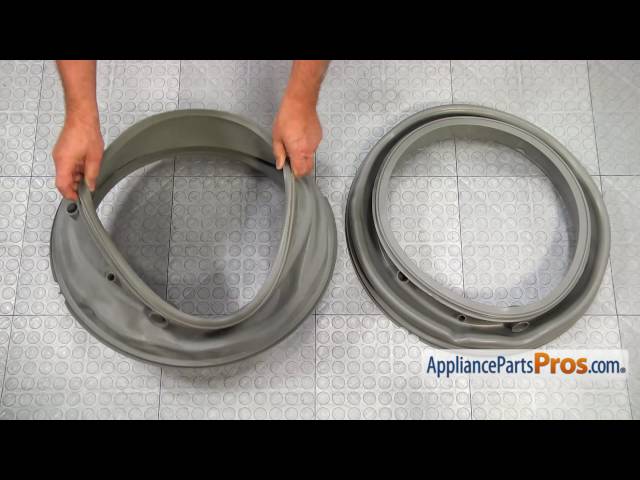
- Damaged Door Seal (Gasket): This rubber seal creates a watertight barrier. Cracks, tears, or debris can compromise its effectiveness.
- Loose Door Hinges: Loose hinges can misalign the door, preventing a tight seal.
- Worn Door Latch: A faulty latch might not fully engage, leaving gaps for water to escape.
- Overloading the Washer: Overfilling the drum restricts water flow and puts excessive pressure on the door seal.
- Unlevel Washer: An unbalanced machine can cause excessive vibrations, leading to leaks around the door.
- Soap Residue Buildup: Soap scum can accumulate on the door seal, preventing a proper seal.
Symptoms Checklist
Does your Whirlpool Duet exhibit these symptoms? Check all that apply to help pinpoint the cause:
- Water leaking from the bottom of the door during the wash or rinse cycle.
- Visible cracks, tears, or mold on the door seal.
- The door doesn’t feel tightly closed when latched.
- Excessive suds in the washing machine drum.
- The washing machine shakes excessively during operation.
- Water is leaking even when the machine is not running.
- Unusual noises coming from the drain pump area.
How to Fix Whirlpool Duet Door Leaking Step-by-Step Guide
Follow these steps to troubleshoot and potentially fix your leaky washing machine door:
- Reduce Detergent: Use only the recommended amount of HE detergent specified in your washer’s manual. Err on the side of using less rather than more.
- Switch to HE Detergent: If you’re not already using HE detergent, switch immediately. Regular detergent creates excessive suds that can overwhelm the system.
- Clean the Door Seal (Gasket): Use a damp cloth with a mild soap solution to thoroughly clean the entire door seal. Pay close attention to the folds and crevices where debris can accumulate. Rinse well with a clean, damp cloth.
- Check the Drain Pump Filter: Locate the drain pump access panel (usually at the bottom front of the washer). Place a shallow pan or towel to catch any water. Carefully unscrew and remove the filter. Clean out any lint, hair, or debris. Reinstall the filter securely.
- Inspect the Door Seal (Gasket): Carefully examine the door seal for any cracks, tears, or signs of damage. Note any specific areas of concern.
- Level the Washer: Use a level to check if your washing machine is properly leveled. Adjust the leveling feet at the bottom of the machine until it’s perfectly level.
- Check Door Hinges: Inspect the door hinges for looseness. If you find loose screws, tighten them carefully.
- Run a Cleaning Cycle: Use a washing machine cleaner (designed for front-load washers) and run a cleaning cycle according to the manufacturer’s instructions. This helps remove soap residue and buildup.
- Reduce Load Size: Avoid overloading the washing machine. Overloading puts excessive strain on the door seal and can cause leaks.
- Check the Door Latch: Try to gently wiggle the door when it’s latched. If it feels loose or doesn’t engage properly, the door latch may be faulty.
- Run a Test Cycle: After performing these steps, run a short wash cycle (without clothes) to see if the leak persists. Observe the door carefully during the cycle.
Fix the Issue Without Buying Parts
Before considering replacement parts, try these free methods:
- Washer Reset: Unplug the washer for 1 minute, then plug it back in. This can sometimes reset the control board and resolve minor issues.
- Hot Water Flush: Run an empty cycle with hot water and a cup of white vinegar. This helps remove stubborn soap residue and buildup.
- Seal Lubrication: Apply a thin layer of silicone grease (available at most hardware stores) to the door seal. This can help restore its flexibility and improve the seal. (Use sparingly)
- Regular Maintenance: Wipe down the door seal after each wash to prevent soap buildup. Leave the door slightly ajar when not in use to allow the washer to dry completely and prevent mold growth.
When Replacement Might Be Necessary
If the above steps don’t resolve the leak, you might need to replace a part. The most common culprit is the door seal (gasket). A new door seal typically costs between $50 and $150 USD, depending on the model. The door latch is another potential replacement and can range from $30 to $80 USD. Consider consulting a qualified appliance repair technician for diagnosis and replacement.
Safety Warning
- Always unplug the washing machine from the power outlet before attempting any repairs.
- Be careful when working with water and electricity. Avoid creating wet floors.
- If you are uncomfortable performing any of these steps, contact a qualified appliance repair technician.
Tools You May Need
- Screwdriver (Phillips and/or flathead, depending on your model)
- Level
- Damp cloths
- Mild soap or washing machine cleaner
- Shallow pan or towel
- Silicone grease (optional)
FAQ
- Q: Why is my Whirlpool Duet leaking even when it’s not running? A: This usually indicates a problem with the water inlet valve or a drain hose issue. Unplug the washer and check the hoses for cracks or leaks.
- Q: How often should I clean my washing machine? A: It’s recommended to clean your washing machine monthly to prevent soap buildup and odors.
- Q: Can I use bleach to clean the door seal? A: Yes, but dilute the bleach with water and rinse thoroughly after cleaning to avoid damaging the seal.
- Q: My drain pump filter was full of water. Is that normal? A: Yes, it’s normal for the drain pump filter to contain some water. That’s why you need a pan to catch it.
Conclusion
A leaky Whirlpool Duet door can be frustrating, but by following these troubleshooting steps, you can often identify and fix the problem yourself. Remember to prioritize safety and consult a professional if you’re uncomfortable with any aspect of the repair. With a little effort, you can get your washing machine back in working order and keep your laundry room dry!
Youtube Video:
Quick Wiring Specifications & Terminal Guide
| Component / Circuit | Standard Wire Gauge | Recommended Protection |
|---|---|---|
| Control & Trigger Signals | 18 – 20 AWG | 5A – 7.5A Inline Fuse |
| Standard Auxiliary Load | 14 – 16 AWG | 15A – 20A Circuit Breaker |
| Main Power Feed / Supply | 10 – 12 AWG | 30A – 40A Heavy-Duty Relay |
Images References
Looking for more diagnostic guides? Explore our complete Washing Machine Problems 6 section for step-by-step troubleshooting solutions.
