
Introduction
A Whirlpool washer with an agitator that won’t spin is a frustrating problem. The agitator is the heart of your washer’s cleaning action, responsible for moving the clothes through the water and detergent. When it fails, your clothes won’t get properly cleaned, leading to wasted water, detergent, and time. Plus, clothes can come out excessively wet or even damaged. Addressing this issue promptly can prevent further damage to your washer and get your laundry routine back on track.
💡 Technical Key Takeaways:
- Core Focus: Diagnostic schematic and terminal connection layout for Whirlpool Agitator Won T Spin.
- Target Scope: Field technicians, automotive DIYers, and residential/commercial electricians.
- Safety Rule: Always disconnect the primary power source/battery terminal and verify zero voltage with a multimeter before touching wires.
Common Causes of Whirlpool Agitator Won’t Spin
Here are some common reasons why your Whirlpool agitator might refuse to spin:
- Overloading the Washer: Too many clothes can prevent the agitator from moving freely.
- Obstructed Agitator: Small items like socks or coins can get lodged beneath the agitator, jamming it.
- Worn Agitator Dogs (or Cogs): These small plastic parts inside the agitator are responsible for its one-way spinning motion. They wear out over time.
- Broken Agitator: The agitator itself can crack or break, preventing proper movement.
- Worn Drive Belt: Some Whirlpool washers use a belt to connect the motor to the agitator. A worn or broken belt will stop the agitator.
- Motor Coupling Failure: The motor coupling connects the motor to the transmission. If it breaks, the agitator won’t spin.
- Faulty Lid Switch: The washer is designed not to spin if the lid is open. A faulty switch might think the lid is always open.
- Transmission Issues: A problem with the washer’s transmission is a less common, but possible, cause.
Symptoms Checklist
Use this checklist to confirm that your agitator is indeed the problem:
- The washer fills with water, but the agitator doesn’t move during the wash cycle.
- The motor sounds like it’s running, but the agitator remains stationary.
- The agitator moves slightly or erratically, but doesn’t perform its full spinning motion.
- The washer doesn’t spin during the spin cycle either (this could indicate a different problem, but rule out the agitator first).
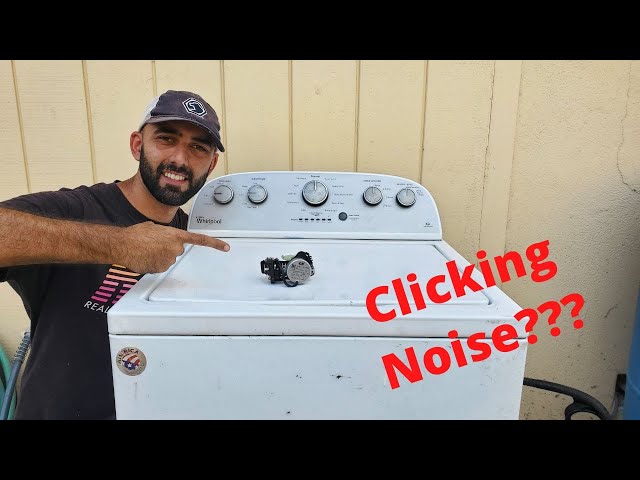
- You hear clicking or grinding noises during the wash cycle.
How to Fix Whirlpool Agitator Won’t Spin Step-by-Step Guide
Follow these steps to troubleshoot and potentially fix your agitator:
- Unplug the Washer: For safety, always disconnect the power before working on your appliance.
- Check for Overloading: Remove some clothes if the washer is packed too tightly. Try running a cycle with a smaller load.
- Inspect Under the Agitator: Carefully remove the agitator (refer to your washer’s manual for specific instructions). Look for any obstructions like socks, coins, or other small items. Remove any debris.
- Examine the Agitator Dogs (or Cogs): If you can remove the top portion of the agitator, inspect the agitator dogs (small plastic parts). If they are worn, rounded, or broken, they are likely the culprit. (See replacement section if these appear damaged).
- Check the Lid Switch: Open and close the lid slowly and listen for a click from the lid switch. If you dont hear it, the switch might be faulty. You can often locate the lid switch behind the top panel near the hinge. Visually inspect if any components are visibly broken.
- Inspect the Drive Belt (if applicable): If your washer has a belt, you’ll need to access the motor area (usually by removing the back panel). Check the belt for cracks, wear, or breakage. A loose or broken belt will need replacement.
- Check the Motor Coupling: While you’re in the motor area, look for the motor coupling (connecting the motor to the transmission). If it’s broken, it will be visually apparent. (See replacement section if these appear damaged).
- Manually Rotate the Agitator: With the washer unplugged and empty, try rotating the agitator by hand. It should move freely in one direction (and lock in the other). If it’s difficult to turn or makes grinding noises, the transmission might be the issue.
- Run a Diagnostic Cycle: Many modern Whirlpool washers have a built-in diagnostic cycle. Consult your owner’s manual for instructions on how to initiate this cycle. This can help identify error codes and pinpoint the problem.
- Check the Water Level: Sometimes a problem with the water level sensor can prevent the agitator from engaging. Make sure the water level is appropriate for the load size.
- Look for Any Loose Wiring: Visually inspect any wiring harnesses near the motor and agitator assembly. Make sure nothing came loose or disconnected.
Fix the Issue Without Buying Parts
Before considering replacements, try these free fixes:
- Reset the Washer: Unplug the washer for 1-2 minutes and then plug it back in. This can sometimes reset the electronic controls and resolve minor glitches.
- Thorough Cleaning: Clean any soap residue, debris, or build-up around the agitator and inside the wash tub.
- Ensure Proper Leveling: Make sure the washer is level. An unlevel washer can cause excessive vibration and strain on the agitator.
- Proper Loading Techniques: Avoid overloading the washer and distribute clothes evenly around the agitator.
When Replacement Might Be Necessary
If the troubleshooting steps above don’t resolve the issue, you might need to replace some parts:
- Agitator Dogs/Cogs: This is the most common replacement. Cost: $5-$20.
- Drive Belt: If cracked or broken. Cost: $10-$30.
- Motor Coupling: If visibly broken. Cost: $15-$40.
- Lid Switch: If faulty. Cost: $20-$50.
- Agitator Assembly: If the agitator itself is cracked or broken. Cost: $50-$150.
- Transmission: This is a more complex and expensive repair, potentially costing $200-$500, including labor. Consider calling a technician if you suspect transmission issues.
Safety Warning
- Always unplug the washer before performing any repairs.
- Be careful when handling tools and avoid contact with electrical components.
- If you are uncomfortable with any of these steps, consult a qualified appliance repair technician.
- Avoid working on a wet floor.
Tools You May Need
- Screwdrivers (Phillips and flathead)
- Pliers
- Socket set
- Multimeter (for testing electrical components – optional)
- Work gloves
FAQ
Here are some frequently asked questions about agitator problems:
- Q: Why does my agitator only spin in one direction? A: This is normal. The agitator is designed to rotate back and forth to create a washing action.
- Q: How do I know if the agitator dogs are bad? A: If the agitator spins freely in both directions, or if it doesn’t spin at all, the agitator dogs are likely worn or broken.
- Q: Can I run the washer without the agitator? A: No, the agitator is essential for the cleaning process. Running the washer without it will not properly clean your clothes.
- Q: My washer is making a loud noise when the agitator is supposed to spin. What could it be? A: This could be due to a worn drive belt, a failing motor coupling, or a problem with the transmission.
Conclusion
Troubleshooting a Whirlpool agitator that won’t spin can seem daunting, but by following these steps, you can often identify and resolve the problem yourself. Start with the simple solutions, like checking for obstructions and overloading. If those don’t work, move on to inspecting the agitator dogs and other components. Remember to always prioritize safety by unplugging the washer before performing any repairs. With a little patience and effort, you can potentially save yourself the cost of a service call and get your washer back in working order. If you’re still having trouble, don’t hesitate to contact a qualified appliance repair technician.
Youtube Video:
Quick Wiring Specifications & Terminal Guide
| Component / Circuit | Standard Wire Gauge | Recommended Protection |
|---|---|---|
| Control & Trigger Signals | 18 – 20 AWG | 5A – 7.5A Inline Fuse |
| Standard Auxiliary Load | 14 – 16 AWG | 15A – 20A Circuit Breaker |
| Main Power Feed / Supply | 10 – 12 AWG | 30A – 40A Heavy-Duty Relay |
Images References
Looking for more diagnostic guides? Explore our complete Washing Machine Problems 6 section for step-by-step troubleshooting solutions.
