
Introduction
Discovering that your washing machine won’t drain is frustrating. It leaves your clothes soaking wet and disrupts your laundry routine. This problem needs immediate attention because standing water can damage your machine and even lead to mold growth. Luckily, many causes are simple to troubleshoot, saving you a potentially expensive repair bill. Follow this guide to diagnose and fix the issue.
💡 Technical Key Takeaways:
- Core Focus: Diagnostic schematic and terminal connection layout for Water Not Pumping Out Of Washing Machine.
- Target Scope: Field technicians, automotive DIYers, and residential/commercial electricians.
- Safety Rule: Always disconnect the primary power source/battery terminal and verify zero voltage with a multimeter before touching wires.
Common Causes of water not pumping out of washing machine
Here are some typical reasons why your washing machine might not be pumping out water:
- Clogged Drain Hose: This is the most frequent culprit. Lint, small objects, or debris can block the hose.
- Blocked Drain Pump Filter: Most machines have a filter designed to catch larger items before they reach the pump. This filter can get clogged.
- Kinked or Twisted Drain Hose: A bent hose restricts water flow.
- Faulty Drain Pump: The pump might be broken or its motor could be malfunctioning.
- Clogged Drainpipe: The pipe where the drain hose empties might be blocked.
- Air Lock in the Drain Hose: Trapped air can prevent the pump from creating suction.
- Lid Switch Problems: The machine might not spin and drain if the lid switch is faulty.
- Control Panel Issues: A malfunctioning control panel might not send the signal to start the draining process.
- Overuse of Detergent: Too much detergent creates excess suds, which can interfere with the pump’s ability to drain properly.
Symptoms Checklist
Here are indicators to help you identify the problem:
- Washing machine stops mid-cycle with water remaining in the drum.
- You hear a humming or buzzing sound during the drain cycle, but no water is being pumped out.
- The washing machine displays an error code related to draining.
- Water drains very slowly or with little force.
- The drain hose vibrates excessively but without effective drainage.
How to Fix water not pumping out of washing machine Step-by-Step Guide
Follow these steps to troubleshoot and fix the issue:
- Unplug the Washing Machine: For safety, disconnect the power before starting any work.
- Check the Drain Hose for Kinks: Straighten any bends or twists in the drain hose.
- Inspect the Drain Hose Connection: Make sure the hose is securely attached to both the washing machine and the drainpipe.
- Lower the Drain Hose: Place the end of the drain hose into a bucket to see if gravity will drain the water. If it does, the problem is likely with the pump or further down the drain line.
- Locate the Drain Pump Filter: Consult your washing machine’s manual to find the filter’s location (usually at the bottom front or back).
- Clean the Drain Pump Filter: Carefully remove the filter and clean out any lint, hair, or debris. Rinse it thoroughly.
- Check the Drain Pump: With the filter removed, visually inspect the pump impeller (the fan-like blades) for any obstructions.
- Manually Test the Drain Pump (if accessible): Some pumps have a small access panel that allows you to manually turn the impeller. If it doesn’t turn freely, something might be stuck.
- Inspect the Drainpipe: Ensure the drainpipe where the hose empties is not clogged. You can try using a plumbing snake.
- Check for an Air Lock: Disconnect the drain hose from the drainpipe. Turn on the washing machine to the drain cycle for a few seconds to allow any trapped air to escape.
- Reset the Washing Machine: Some machines have a reset button. Otherwise, unplug the machine for 5-10 minutes and then plug it back in.
- Reduce Detergent Usage: Using too much detergent can create excess suds. Use the recommended amount specified on the detergent package.
- Check the Lid Switch: If you’re comfortable doing so, locate the lid switch (usually near the door latch) and ensure it’s functioning correctly. It should click when the lid is closed.
- Run an Empty Cycle: After completing the above steps, run an empty wash cycle to test if the issue is resolved.
Fix the Issue Without Buying Parts
Many drainage problems can be resolved without buying new parts:
- Resetting the Machine: Unplugging and plugging back in can sometimes clear error codes or reset the system.
- Cleaning Filters and Hoses: Regular cleaning prevents blockages and ensures proper water flow.
- Inspecting for Kinks and Obstructions: Regularly check the drain hose and drainpipe.
- Proper Detergent Usage: Following detergent instructions prevents excess suds.
When Replacement Might Be Necessary
If the above steps don’t work, the drain pump might be faulty and need replacement. Pump replacement cost can range from $50 to $200, including the part and labor if you hire a technician. Other parts commonly failing include the lid switch and control panel, but drain pumps are the most frequent cause of draining problems. For more related activities, check out our Lg Washer Is Leaking From The Bottom.
Safety Warning
Always take these precautions:
- Unplug the washing machine before performing any repairs.
- Be careful of potential water spillage during hose removal. Have towels ready.
- If you’re not comfortable with electrical repairs, consult a qualified technician.
- Avoid standing water to prevent electric shock.
Tools You May Need
Here are some useful tools for this repair:
- Screwdrivers (Phillips and flathead)
- Pliers
- Bucket
- Towels
- Plumbing snake (for drainpipe cleaning)
- Gloves
FAQ
Here are some frequently asked questions:
- Q: Why is my washing machine making a loud noise but not draining? A: This usually indicates a blockage in the drain pump or a worn-out pump motor. Check the filter and impeller first.
- Q: How do I know if my drain pump is bad? A: If you hear a humming noise but no draining, or if the impeller doesn’t turn freely, the pump might be bad.
- Q: Can I use a liquid drain cleaner in my washing machine? A: It’s generally not recommended, as harsh chemicals can damage the machine’s components. Mechanical cleaning is safer.
- Q: What if the water drains slowly, but eventually drains completely? A: This likely indicates a partial blockage in the drain hose or drainpipe. Clean them thoroughly.
- Q: What is the error code on my machine related to the draining issue means? Consult your washing machine model manual online, and try the fixes suggested for the error code.
Conclusion
Dealing with a washing machine that won’t drain can be inconvenient, but with this guide, you can systematically troubleshoot the problem. Try these steps before calling a technician. Many issues are easily fixed with a little investigation and some simple tools. Good luck!
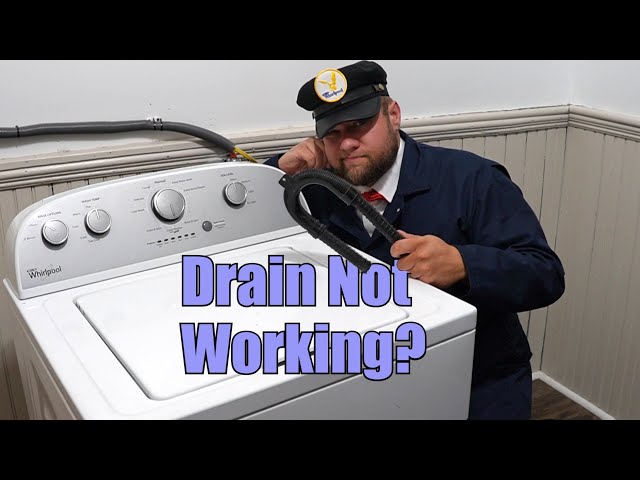
Youtube Video:
Quick Wiring Specifications & Terminal Guide
| Component / Circuit | Standard Wire Gauge | Recommended Protection |
|---|---|---|
| Control & Trigger Signals | 18 – 20 AWG | 5A – 7.5A Inline Fuse |
| Standard Auxiliary Load | 14 – 16 AWG | 15A – 20A Circuit Breaker |
| Main Power Feed / Supply | 10 – 12 AWG | 30A – 40A Heavy-Duty Relay |
Images References
Looking for more diagnostic guides? Explore our complete Washing Machine Problems 1 section for step-by-step troubleshooting solutions.
