
Introduction
A washing machine that won’t fill with water is a frustrating problem. It can disrupt your laundry routine, leaving you with piles of dirty clothes. This issue often occurs suddenly and can stem from various causes, from simple fixes you can do yourself to more complex problems. Addressing this quickly is important to prevent potential water damage and get your laundry back on track.
💡 Technical Key Takeaways:
- Core Focus: Diagnostic schematic and terminal connection layout for Water Not Pumping Into Washing Machine.
- Target Scope: Field technicians, automotive DIYers, and residential/commercial electricians.
- Safety Rule: Always disconnect the primary power source/battery terminal and verify zero voltage with a multimeter before touching wires.
Common Causes of Water Not Pumping Into Washing Machine
Here are some common reasons why your washing machine might not be filling with water:
- Closed Water Supply Valves: The hot and cold water supply valves behind the washing machine might be accidentally closed.
- Kinked or Blocked Water Inlet Hoses: The hoses that connect the water supply to the machine can become kinked or clogged with sediment.
- Faulty Inlet Valve: The inlet valve controls the flow of water into the machine. If it’s defective, it won’t open properly.
- Clogged Inlet Valve Screens: Small screens at the inlet valve prevent debris from entering the machine. These can become clogged over time.
- Lid Switch Issues: Some washing machines won’t fill if the lid switch isn’t properly engaged. This is a safety feature.
- Water Pressure Problems: Low water pressure in your home can prevent the machine from filling adequately.
- Timer or Control Board Malfunction: The timer or control board might not be sending the signal to the inlet valve to open.
- Drain Hose Issues: If the drain hose is too low, the water might siphon out as the machine fills.
Symptoms Checklist
Check these indicators to accurately identify the issue:
- No water entering the washing machine at all.
- Only a trickle of water entering the machine.
- The washing machine makes a humming or buzzing sound but no water flows.
- The washing machine fills very slowly.
- The washing machine displays an error code related to water supply.
- The water entering the machine is the wrong temperature (e.g., only hot, no cold).
How to Fix Water Not Pumping Into Washing Machine Step-by-Step Guide
Follow these steps to troubleshoot the problem:
- Unplug the Washing Machine: Safety first! Disconnect the washing machine from the power outlet.
- Check the Water Supply Valves: Locate the hot and cold water supply valves behind the washing machine. Ensure they are fully open. Turn them counterclockwise to open.
- Inspect the Water Inlet Hoses: Look for any kinks, bends, or visible damage to the hoses. Straighten any kinks.
- Disconnect the Water Inlet Hoses: Carefully disconnect the hoses from both the washing machine and the water supply valves. Have a bucket and towel handy to catch any water.
- Check the Inlet Valve Screens: Locate the screens inside the water inlet openings on the washing machine. Use pliers to remove the screens (if accessible). Clean any debris or sediment from the screens. You can use an old toothbrush.
- Flush the Hoses: Connect the hoses to a faucet and run water through them to flush out any sediment or debris.
- Reinstall the Inlet Valve Screens: Place the screens back into the water inlet openings.
- Reconnect the Water Inlet Hoses: Reattach the hoses to the washing machine and the water supply valves. Make sure the connections are secure.
- Turn on the Water Supply Valves: Slowly turn the hot and cold water supply valves back on. Check for leaks at the hose connections.
- Check the Lid Switch: Ensure the washing machine lid is closing properly and engaging the lid switch. Sometimes, a simple adjustment to the lid hinge can fix this.
- Check Water Pressure: Test the water pressure in your home by running a faucet. If the pressure is low, contact your local water company.
- Inspect Drain Hose: Make sure the drain hose isn’t pushed too far into the drain pipe. It shouldnt be airtight. And ensure the height is correct.
- Plug in the Washing Machine: Reconnect the washing machine to the power outlet.
- Run a Test Cycle: Start a short wash cycle to see if the machine fills with water.
Fix the Issue Without Buying Parts
Before considering part replacement, try these free methods:
- Reset the Washing Machine: Unplug the machine for 1-2 minutes, then plug it back in. This can sometimes reset the control board.
- Inspect Hoses Regularly: Check for kinks and clogs monthly.
- Clean Inlet Valve Screens Periodically: Prevents buildup that restricts water flow.
When Replacement Might Be Necessary
If the above steps don’t resolve the issue, you might need to replace a part. Common culprits include the inlet valve ($20-$50), lid switch ($15-$30), or, in rare cases, the control board ($100-$300). Consider a professional diagnosis before replacing the control board, as other issues can mimic its symptoms. For more related activities, check out our Washing Machine Leaking From Draw.
Safety Warning
- Always unplug the washing machine before performing any repairs.
- Be careful when working with water to avoid electric shock.
- Turn off the water supply valves before disconnecting hoses.
- If you are uncomfortable with any of these steps, contact a qualified appliance repair technician.
Tools You May Need
- Pliers
- Screwdrivers (Phillips and flathead)
- Bucket
- Towels
- Old toothbrush
FAQ
Here are some frequently asked questions:
- Q: Why is my washing machine humming but not filling? A: This often indicates a problem with the inlet valve. It might be stuck or receiving insufficient power. Check the valve for obstructions and test its electrical connection.
- Q: How do I know if my inlet valve is bad? A: You can test the inlet valve with a multimeter to check for continuity. If there’s no continuity, the valve is likely faulty. Also, visually inspect it for cracks or damage.
- Q: My washing machine is filling very slowly. What could be the issue? A: A partially clogged inlet valve screen or low water pressure are common causes. Check both and clean the screens or contact your water company.
- Q: The water coming into my washing machine is only hot, even on the cold setting. What’s wrong? A: This could be a problem with the inlet valve mixing the hot and cold water or a problem with your hot water heater. Check the inlet valve first.
Conclusion
Troubleshooting a washing machine that isn’t filling with water can seem daunting, but many common causes have simple solutions. By following these steps, you can often identify and fix the problem yourself, saving time and money. If you’ve exhausted these troubleshooting steps and the issue persists, it’s best to consult with a qualified appliance repair technician.
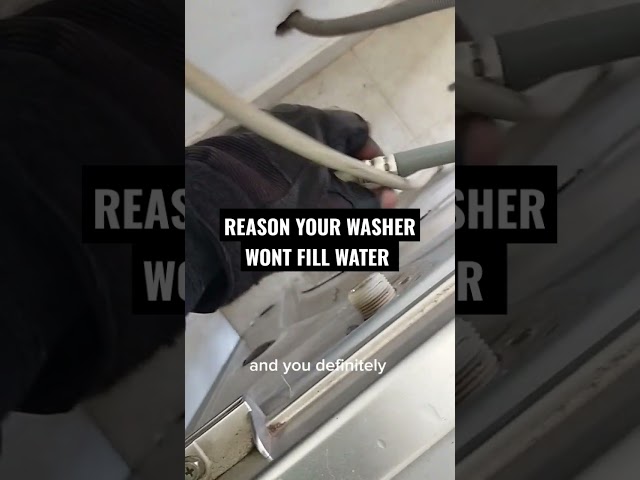
Youtube Video:
Quick Wiring Specifications & Terminal Guide
| Component / Circuit | Standard Wire Gauge | Recommended Protection |
|---|---|---|
| Control & Trigger Signals | 18 – 20 AWG | 5A – 7.5A Inline Fuse |
| Standard Auxiliary Load | 14 – 16 AWG | 15A – 20A Circuit Breaker |
| Main Power Feed / Supply | 10 – 12 AWG | 30A – 40A Heavy-Duty Relay |
Images References
Looking for more diagnostic guides? Explore our complete Washing Machine Problems 6 section for step-by-step troubleshooting solutions.
