Introduction
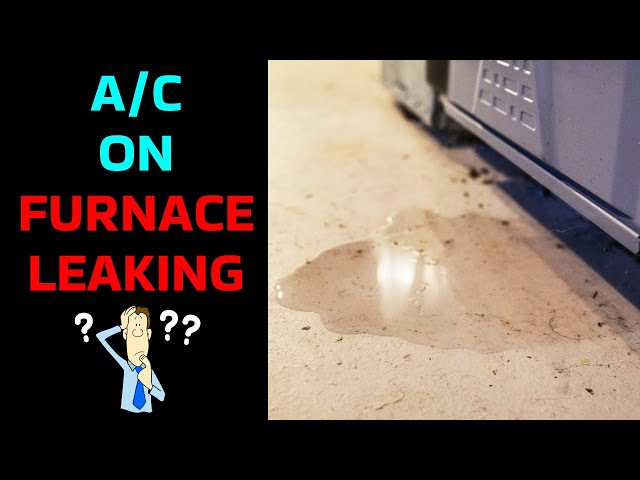
Discovering water leaking from your air conditioner can be a frustrating experience. Not only can it damage your floors and walls, but it also indicates an underlying issue with your unit. This guide will walk you through the common causes of aircon leaks, how to diagnose the problem, and simple steps you can take to fix it yourself. Addressing the leak promptly is important to prevent further damage and potential mold growth, which can lead to health problems. Let’s get started on understanding and resolving this issue!
Common Causes of Water Leaking from Aircon
Here are several common reasons why your air conditioner might be leaking water:
- Clogged Drain Line: This is the most frequent cause. Condensation builds up inside the unit, and the drain line responsible for removing the water gets blocked by dust, algae, or debris.
- Dirty Air Filter: A dirty filter restricts airflow, causing the evaporator coil to freeze over. When the ice melts, it can overwhelm the drain pan, leading to leaks.
- Low Refrigerant Levels: Low refrigerant can also cause the evaporator coil to freeze. The melting ice then drips excessively.
- Broken Drain Pan: The drain pan collects condensation. If its cracked or rusted, water will leak through.
- Incorrect Installation: Improperly installed units can have drainage issues due to incorrect angles or connections.
- Damaged or Disconnected Drain Line: The drain line itself may be damaged, cracked, or disconnected, preventing water from flowing properly.
- Humidity: If it is extremely humid in your region, it can cause extra condensation which may be more than your aircon can handle
Symptoms Checklist
Use this checklist to accurately identify the issue:
- Water dripping from the front or sides of the air conditioner.
- Visible ice formation on the cooling coils.
- Musty or moldy smell near the unit.
- Unusually high humidity levels in the room.
- Water stains on the ceiling or walls near the air conditioner.
- The air conditioner is running, but the room is not cooling effectively.
- Pooling water around the base of the unit.
How to Fix Water Leaking from Aircon Step-by-Step Guide
Follow these steps to troubleshoot and fix the leak:
- Turn off the Air Conditioner: Disconnect the unit from the power source for safety.
- Inspect the Air Filter: Remove the air filter and check for dirt and debris. If its dirty, clean or replace it.
- Locate the Drain Line: Find the drain line, usually a PVC pipe, exiting the unit or wall. It may be outside the house.
- Check for Clogs: Disconnect the drain line (if possible) and try to blow air through it to clear any blockages. A wet/dry vacuum can also be used.
- Flush the Drain Line: Use a mixture of warm water and a small amount of bleach or vinegar to flush the drain line. This helps dissolve any algae or mold buildup.
- Inspect the Drain Pan: Check the drain pan for cracks or rust. Clean the drain pan with a brush and mild detergent.
- Level the Air Conditioner: Use a level to ensure the unit is correctly positioned. An improperly tilted unit can cause drainage problems.
- Check the Evaporator Coils: If you see ice forming on the coils, the unit may be low on refrigerant or have airflow issues.
- Dry the Area: Use towels or a wet/dry vacuum to clean up any standing water around the air conditioner.
- Reconnect the Drain Line: Ensure the drain line is securely connected to the unit.
- Test the Unit: Turn the air conditioner back on and monitor it for any leaks.
- Monitor the Temperature: Ensure the room is cooling correctly to rule out other issues.
- Check Humidity Levels: A dehumidifier can help if the humidity is contributing.
Fix the Issue Without Buying Parts
Here are some free methods to try:
- Reset the Air Conditioner: Unplug the unit for 30 minutes, then plug it back in. This can sometimes reset internal sensors and resolve minor issues.
- Clean the Unit Thoroughly: Wipe down the exterior of the unit with a damp cloth. Clean any visible dust or debris.
- Inspect for Air Leaks: Check around the unit for any gaps or air leaks that could be affecting its performance. Seal any gaps with weather stripping or caulk.
- Basic Maintenance: Regularly clean or replace the air filter to prevent airflow problems.
When Replacement Might Be Necessary
If the drain pan is severely cracked or rusted, or if the unit is very old, replacement might be the best option. Here are some costs to consider (USD):
- Drain Pan Replacement: $50 – $150 (plus labor if you hire a technician).
- Refrigerant Recharge: $100 – $300 (This should be done by a qualified technician).
- Complete Unit Replacement: $300 – $1000+ depending on the type and size of the air conditioner.
Parts commonly failing include the drain pan, the fan motor, and the compressor (window air conditioners).
Safety Warning
- Always disconnect the air conditioner from the power source before performing any maintenance.
- Avoid contact with electrical components when the unit is plugged in.
- Be careful of slippery floors if water has leaked onto them.
- If you’re uncomfortable working with electrical appliances, contact a qualified technician.
Tools You May Need
- Screwdriver (Phillips and flathead)
- Wet/dry vacuum
- Level
- Brush
- Mild detergent
- Bleach or vinegar
- Towels
FAQ
Here are some frequently asked questions:
- Q: Why is my air conditioner leaking water even after I cleaned the filter? A: There could still be a clog in the drain line, or the unit might be low on refrigerant.
- Q: How often should I clean my air conditioner filter? A: At least once a month, or more often if you have pets or allergies.
- Q: Can I use any type of cleaner to flush the drain line? A: It’s best to use a mixture of warm water and bleach or vinegar. Avoid harsh chemicals that could damage the unit.
- Q: How do I know if my air conditioner is low on refrigerant? A: Common signs include ice formation on the coils, weak airflow, and the unit not cooling effectively. Call a professional.
Conclusion
Troubleshooting a leaking air conditioner might seem daunting, but by following these steps, you can often resolve the issue yourself. Start with the simple solutions, like cleaning the filter and clearing the drain line. If the problem persists, dont hesitate to call a qualified technician. Remember, regular maintenance is key to keeping your air conditioner running smoothly and preventing future leaks.
Youtube Video:
Looking for more useful options?
Check out recommended resources that others find helpful.