
Introduction
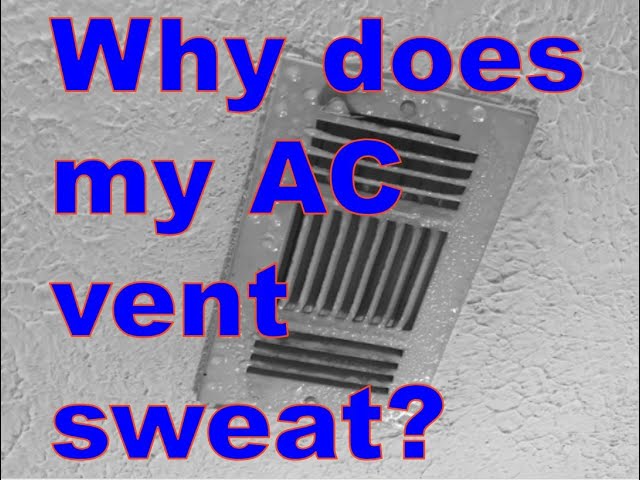
Finding water dripping from your AC vents, especially when it’s raining, can be frustrating and concerning. This problem isn’t just a nuisance; it can lead to water damage in your home, mold growth, and even electrical hazards. It’s most common during heavy downpours, but can also occur with light rain if underlying issues are present. Addressing this promptly is important to protect your home and your family’s health. Explore more in our Air Conditioner Troubleshooting 6 collection.
💡 Technical Key Takeaways:
- Core Focus: Diagnostic schematic and terminal connection layout for Water Leaking From Ac Vent When Raining.
- Target Scope: Field technicians, automotive DIYers, and residential/commercial electricians.
- Safety Rule: Always disconnect the primary power source/battery terminal and verify zero voltage with a multimeter before touching wires.
Common Causes of Water Leaking from AC Vent When Raining
Here are several potential reasons why your AC vent might be leaking water when it rains:
- Roof Leaks: Rainwater can seep through a compromised roof and travel down to your AC system, especially if ductwork runs through the attic.
- Improperly Sealed Ductwork: Cracks or gaps in your ductwork allow rainwater blown into the attic to enter the system.
- Attic Condensation: Poor attic ventilation can cause condensation to form on cool ductwork during rainfall, leading to drips.
- Clogged Condensate Drain Line: This drain line removes condensation from your AC unit. If clogged, water can back up and find other escape routes.
- Damaged Drain Pan: The drain pan beneath your indoor AC unit can crack or rust over time, causing leaks.
- Poorly Insulated Ductwork: If ductwork isn’t properly insulated, temperature differences can lead to condensation, which may be exacerbated by rainwater entering the attic.
- Leaky Windows or Walls: Water entering through windows or walls near ductwork can be drawn into the system.
- Chilled Ductwork and Warm Rainwater: The temperature difference between cold ductwork and warmer, rain-soaked air in the attic can create condensation issues.
Symptoms Checklist
Use this checklist to accurately identify the problem:
- Water dripping directly from AC vents during or after rain.
- Water stains on the ceiling around the AC vents.
- Damp or musty smell in the room.
- Visible condensation on the outside of the AC vents.
- Water pooling in the attic near the AC unit or ductwork.
- Increased humidity inside the house.
- Rust or corrosion around the AC vent or unit.
How to Fix Water Leaking from AC Vent When Raining Step-by-Step Guide
Follow these steps to troubleshoot the issue:
- Inspect the Attic: Carefully check your attic during or shortly after a rainstorm. Look for obvious signs of water entry, such as wet spots on the roof, walls, or insulation.
- Check Around the AC Unit: Examine the area around your indoor AC unit (usually in the attic or a closet) for signs of leaks or standing water.
- Locate the Condensate Drain Line: Find the condensate drain line, a PVC pipe running from your indoor AC unit to the outside. Check for clogs or obstructions.
- Flush the Condensate Drain Line: Use a wet/dry vacuum to suck out any debris from the drain line. You can also try pouring a cup of vinegar down the drain line to dissolve buildup.
- Inspect Ductwork Connections: Check all connections and seams in your ductwork for any gaps or loose seals. Use foil tape to seal any visible cracks or openings.
- Evaluate Ductwork Insulation: Ensure your ductwork is properly insulated, especially in the attic. Damaged or missing insulation can lead to condensation.
- Check the Drain Pan: Inspect the drain pan beneath the indoor AC unit for cracks, rust, or overflows.
- Seal Windows and Walls: If you suspect water is entering through windows or walls near the ductwork, caulk any cracks or gaps.
- Improve Attic Ventilation: Proper attic ventilation can reduce condensation. Ensure your attic vents are clear and functioning properly.
- Monitor the Situation: After each step, monitor the AC vent during the next rainfall to see if the leak has stopped.
- Adjust AC Fan Setting: Try setting your AC fan to “auto” instead of “on.” This can reduce condensation by preventing constant airflow over cold coils.
- Clear Debris Around Outdoor Unit: Make sure there’s no debris blocking airflow around the outdoor AC unit, as this can affect performance and potentially increase condensation.
- Visually Inspect Roof: From the ground, use binoculars to inspect the roof for missing or damaged shingles near where the ductwork may run through the attic.
Fix the Issue Without Buying Parts
Here are some things you can try before buying replacement parts:
- Cleaning: Regularly clean the area around your AC unit and ensure vents are free of dust.
- Resealing: Re-seal ductwork connections using foil tape you might already have on hand.
- Inspection Tips: Use a flashlight and mirror to get a better view of hard-to-reach areas of ductwork and drain pans.
- Maintenance Basics: Regularly check and clean your AC’s air filter, as a dirty filter can contribute to condensation problems.
When Replacement Might Be Necessary
If you’ve tried the above steps and the leak persists, you might need to replace a part. This includes:. For more related activities, check out our Smell When Ac Is On.
- Drain Pan: A cracked or rusted drain pan needs replacement. Cost: $50-$200.
- Ductwork Sections: Severely damaged or moldy ductwork might require professional replacement. Cost: $200-$1000+ depending on the extent.
- Condensate Pump (if applicable): If your AC uses a condensate pump, it might fail. Cost: $50-$150.
Safety Warning
- Always turn off the power to your AC unit at the breaker before inspecting or working on it.
- Avoid standing water, as it can be an electrical hazard.
- Be careful when working in the attic, as it can be hot and dusty. Wear appropriate safety gear, such as gloves and a dust mask.
- If you’re uncomfortable working with electrical components, call a qualified HVAC technician.
Tools You May Need
- Screwdriver (Phillips and flathead)
- Foil tape
- Wet/dry vacuum
- Flashlight
- Gloves
- Dust mask
- Caulk gun and caulk
- Vinegar
FAQ
Here are some common questions and answers:
- Q: Why is my AC leaking even when it’s not raining? A: A clogged condensate drain line is the most likely cause.
- Q: Can a dirty air filter cause leaks? A: Yes, a dirty filter restricts airflow, which can lead to ice buildup on the evaporator coil and subsequent melting and leaking.
- Q: How often should I clean my condensate drain line? A: At least twice a year, or more frequently if you notice signs of a clog.
- Q: Is it safe to use bleach to clean the condensate drain line? A: While some people use bleach, vinegar is a safer and more environmentally friendly option.
Conclusion
Finding water leaking from your AC vent during rain can be alarming, but with a systematic approach, you can often identify and fix the problem yourself. Start with the simple solutions, such as clearing the condensate drain line and sealing ductwork. Don’t hesitate to call a professional HVAC technician if the problem persists or if you’re uncomfortable working with your AC system. Tackling the issue promptly can prevent costly repairs and protect your home from water damage. Discover more free resources across our collection library.
Youtube Video:
Quick Wiring Specifications & Terminal Guide
| Component / Circuit | Standard Wire Gauge | Recommended Protection |
|---|---|---|
| Control & Trigger Signals | 18 – 20 AWG | 5A – 7.5A Inline Fuse |
| Standard Auxiliary Load | 14 – 16 AWG | 15A – 20A Circuit Breaker |
| Main Power Feed / Supply | 10 – 12 AWG | 30A – 40A Heavy-Duty Relay |
