
Introduction
Is your washing machine filling with water but then just… stopping? It’s a frustrating situation. The water comes in, but the drum doesn’t agitate to wash the clothes, or spin to dry them. This can leave you with a tub full of soaking wet clothes and a machine that seems to be stuck in neutral. Addressing this quickly is important. Leaving wet clothes sitting for too long can lead to mold and mildew, not to mention the inconvenience of having to wring everything out by hand! Let’s figure out what’s going on. Explore more in our Washing Machine Problems 6 collection.
💡 Technical Key Takeaways:
- Core Focus: Diagnostic schematic and terminal connection layout for Washing Machine Will Fill With Water But Nothing Else.
- Target Scope: Field technicians, automotive DIYers, and residential/commercial electricians.
- Safety Rule: Always disconnect the primary power source/battery terminal and verify zero voltage with a multimeter before touching wires.
Common Causes of Washing Machine Fills with Water But Nothing Else
Several things could be preventing your washing machine from moving past the fill cycle:
- Lid Switch Malfunction: Many washing machines won’t agitate or spin unless the lid is firmly closed. The lid switch might be broken or misaligned.
- Motor Coupling Failure: This part connects the motor to the transmission. If it breaks, the motor can run, but the drum won’t turn.
- Drive Belt Issues: Older machines use belts to transfer power. A broken, loose, or worn belt will prevent the drum from turning.
- Motor Problems: The motor itself could be failing.
- Timer/Control Board Problems: In newer machines, the electronic control board tells the motor when to start and stop. A faulty board can cause it to get stuck.
- Drainage Issues: Sometimes the washing machine won’t start the wash or spin cycle if it detects that it hasn’t drained properly from a previous cycle.
- Overloaded Machine: Putting too many clothes in the washing machine can strain the motor and prevent it from turning.
- Foreign Objects: A sock or other small object could be stuck in the pump or between the tubs, preventing movement.
Symptoms Checklist
Use this checklist to identify your problem:
- The washing machine fills with water as usual.
- The drum does not agitate during the wash cycle.
- The drum does not spin during the spin cycle.
- You might hear the motor humming, but the drum remains stationary.
- You might smell a burning rubber odor.
- The machine may display an error code.
How to Fix Washing Machine Fills with Water But Nothing Else Step-by-Step Guide
- Unplug the Washing Machine: Safety first! Disconnect the power cord from the outlet.
- Check the Lid Switch: Make sure the lid switch is engaging properly when the lid is closed. You might need to press down on it manually to see if that makes the machine start. Sometimes, the switch needs adjustment.
- Inspect the Drive Belt (if applicable): For older machines, locate the drive belt (usually at the bottom of the machine). Check for cracks, fraying, or looseness.
- Check for Obstructions: Unplug the machine! Feel inside the drum and around the agitator for any stuck objects (socks, small toys, etc.).
- Check the Drain Hose: Make sure the drain hose isn’t kinked or blocked. A blocked hose can prevent draining, which can prevent the spin cycle.
- Level the Washing Machine: An unlevel machine can sometimes have trouble with its spin cycle. Use a level and adjust the legs of the machine until it’s stable.
- Try a Smaller Load: If you consistently overload the machine, try washing smaller loads to see if that resolves the issue.
- Listen to the Motor: When you start the machine (after plugging back in, briefly), listen for any unusual noises coming from the motor area. A loud hum or clicking sound could indicate a motor problem.
- Check Error Codes: Consult your washing machine’s manual for a list of error codes and their meanings. This can give you a more specific clue about the problem.
- Reset the Washing Machine: Some machines can be reset by unplugging them for 1-2 minutes and plugging them back in. This can clear temporary errors.
- Inspect the Motor Coupling (if applicable): This is typically found on direct-drive machines. Look for signs of wear or breakage.
Fix the Issue Without Buying Parts
Before you start ordering parts, try these free solutions:
- Reset the Machine: Unplug the washing machine for at least 1 minute, then plug it back in. This can sometimes clear minor electronic glitches.
- Clean the Drain Pump Filter: Locate and clean the drain pump filter (refer to your owner’s manual for the location). A clogged filter can prevent proper draining and affect the wash cycle.
- Check for Obstructions Again: Make sure you’ve thoroughly checked for any objects stuck in the tub, agitator, or drain pump area.
- Recalibration: Some newer washing machines have a recalibration process. Refer to your owners manual for specific instructions.
When Replacement Might Be Necessary
If you’ve tried all the troubleshooting steps and the washing machine still isn’t working, a part may need replacement. Common failing parts include:
- Lid Switch: $20 – $50 USD
- Drive Belt: $10 – $30 USD
- Motor Coupling: $15 – $40 USD
- Motor: $100 – $300 USD
- Control Board: $150 – $400 USD
Consider the age and overall condition of your machine. If it’s quite old, replacing it might be more cost-effective than investing in a new motor or control board. Discover more free resources across our collection library.
Safety Warning
- Always unplug the washing machine before performing any repairs or inspections.
- Be careful when working with water and electricity. Avoid contact between water and electrical components.
- Wear gloves to protect your hands.
- If you are not comfortable working with electrical appliances, consult a qualified technician.
- Be careful when lifting or moving the washing machine. Get help if needed.
Tools You May Need
- Screwdrivers (Phillips and flathead)
- Pliers
- Wrench
- Multimeter (for testing electrical components – optional)
- Gloves
- Flashlight
- Level
FAQ
- Q: Why is my washing machine filling with water but not spinning? A: Possible causes include a faulty lid switch, a broken drive belt, or a problem with the motor.
- Q: How do I know if my washing machine motor is bad? A: Signs of a bad motor include humming noises, burning smells, or the motor not turning at all.
- Q: Can I fix a washing machine myself? A: Many minor washing machine problems can be fixed by homeowners with basic tools and knowledge.
- Q: How much does it cost to fix a washing machine that won’t spin? A: The cost can vary depending on the problem, but it typically ranges from $50 to $500 or more if major parts need to be replaced.
- Q: My washer makes a humming noise but won’t spin. What’s wrong? A: This usually indicates a problem with the motor or the motor coupling (if applicable).
Conclusion
Don’t panic if your washing machine is filling with water but not doing anything else. Start with the simple checks and troubleshooting steps outlined in this guide. You might be surprised at how many problems you can solve yourself! If you’ve exhausted all options and still can’t get your machine working, it’s time to call a qualified appliance repair technician. Hopefully, this guide will save you time, money, and a pile of wet laundry!
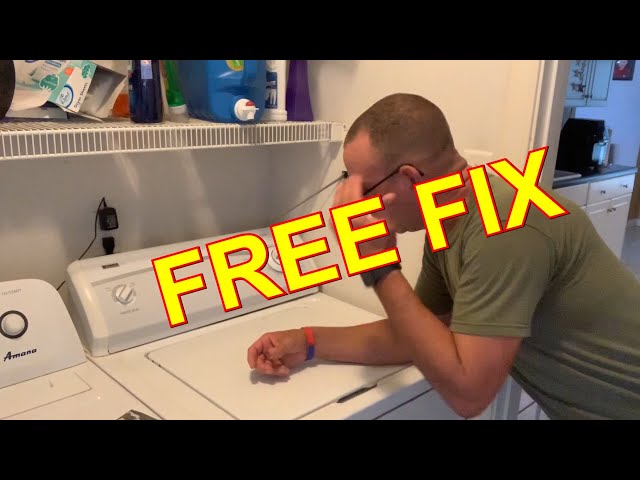
Youtube Video:
Quick Wiring Specifications & Terminal Guide
| Component / Circuit | Standard Wire Gauge | Recommended Protection |
|---|---|---|
| Control & Trigger Signals | 18 – 20 AWG | 5A – 7.5A Inline Fuse |
| Standard Auxiliary Load | 14 – 16 AWG | 15A – 20A Circuit Breaker |
| Main Power Feed / Supply | 10 – 12 AWG | 30A – 40A Heavy-Duty Relay |
