
Introduction
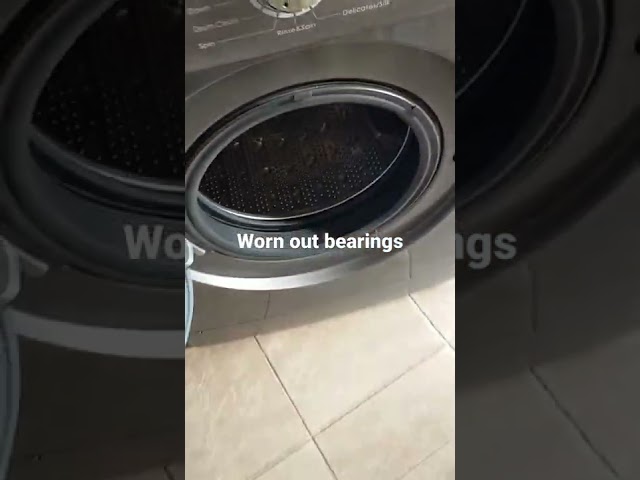
Hearing strange noises coming from your washing machine can be alarming. One of the most common and concerning sounds is a loud rumbling, grinding, or screeching noise, especially during the spin cycle. This often indicates a problem with the bearings. Bearings are crucial parts that allow the drum to spin smoothly. When they wear out, they can cause significant damage to your washing machine if left unattended. Addressing this issue early can save you from costly repairs or even the need to replace the entire machine. Don’t ignore unusual washing machine bad bearing sound; it’s a signal for you to investigate!
💡 Technical Key Takeaways:
- Core Focus: Diagnostic schematic and terminal connection layout for Washing Machine Bad Bearing Sound.
- Target Scope: Field technicians, automotive DIYers, and residential/commercial electricians.
- Safety Rule: Always disconnect the primary power source/battery terminal and verify zero voltage with a multimeter before touching wires.
Common Causes of Washing Machine Bad Bearing Sound
Several factors can contribute to bearing failure in your washing machine:
- Overloading the Washing Machine: Regularly washing loads that exceed the recommended capacity puts extra stress on the bearings.
- Worn Seals: Seals prevent water from entering the bearings. Damaged or worn seals allow water to corrode the bearings.
- Age: Like any mechanical part, bearings wear down over time due to constant use.
- Improper Leveling: An unlevel washing machine can create excessive vibration, accelerating bearing wear.
- Foreign Objects: Small items like coins or buttons can get lodged between the drum and tub, damaging the bearings.
- Aggressive Washing: Using harsh detergents or excessively hot water can contribute to seal deterioration, leading to bearing damage.
- Hard Water: Mineral buildup from hard water can corrode the bearings and seals over time.
Symptoms Checklist
Here are some indicators that can help you determine if you have a washing machine bad bearing sound:. For more related activities, check out our Washing Machine Drum Making Loud Noise.
- Loud grinding or rumbling noise during the spin cycle.
- Squealing or screeching sound, especially when the drum is rotating.
- Excessive vibration or shaking during the wash or spin cycle.
- Difficulty manually turning the drum it feels stiff or rough.
- Rust or metallic residue around the drum or beneath the washing machine.
- Water leaking from the back of the washing machine.
How to Fix Washing Machine Bad Bearing Sound Step-by-Step Guide
Before starting, always unplug your washing machine from the power outlet.
- Listen Carefully: Pinpoint the exact moment the noise occurs (wash, spin, or both). This helps identify the likely source.
- Check for Obstructions: Look for any objects lodged between the inner drum and outer tub. Remove any obstructions carefully.
- Inspect the Drum: Manually rotate the drum. Feel for any resistance, roughness, or play (wobbling). Note any unusual movements.
- Examine the Rear of the Machine: Remove the back panel (consult your user manual for instructions). Look for signs of water leakage or rust around the bearings.
- Check the Drive Pulley: Locate the drive pulley (usually at the bottom of the motor). Make sure it’s securely attached and not damaged. Spin it by hand to check for unusual noises.
- Inspect the Belt (if applicable): If your machine has a belt, inspect it for wear, cracks, or looseness. A worn belt can sometimes cause noise.
- Level the Machine: Use a level to ensure the washing machine is properly balanced. Adjust the leveling feet if needed.
- Check the Suspension Rods/Springs: These help stabilize the drum. Inspect them for damage or wear.
- Test with an Empty Load: Run the washing machine through a spin cycle with an empty load. Observe if the noise persists. This helps isolate the issue from laundry.
- Check Drain Pump: A failing drain pump can also make noise. Inspect and clean out any debris from the drain pump filter.
Fix the Issue Without Buying Parts
Sometimes, you can resolve the washing machine bad bearing sound issue without replacing parts:
- Reset the Washing Machine: Unplug the washing machine for 1-2 minutes, then plug it back in. This can sometimes reset the control board and resolve minor issues.
- Clean the Drum and Tub: Run an empty cycle with a washing machine cleaner or a cup of white vinegar to remove any buildup.
- Recalibrate the Machine (if applicable): Some machines have a recalibration mode (refer to your user manual).
- Regular Cleaning: Periodically clean the washing machine, including the detergent dispenser and door seal, to prevent buildup.
- Avoid Overloading: Always adhere to the washing machine’s load capacity.
When Replacement Might Be Necessary
If the noise persists after trying the above steps, or if you find significant rust or play in the drum, bearing replacement might be necessary. This is a more complex repair that may require special tools and expertise. Bearing replacement can cost between $150 and $500 USD, including parts and labor. Common parts that fail alongside the bearings include the seals, the shaft, and sometimes the entire drum assembly.
Safety Warning
- Always unplug the washing machine from the power outlet before attempting any repairs.
- Avoid working on the washing machine if you are not comfortable with electrical or mechanical repairs.
- Be careful when handling tools and appliance components to avoid injury.
- Clean up any spills immediately to prevent slips and falls.
Tools You May Need
- Screwdrivers (Phillips and flathead)
- Pliers
- Wrench set
- Socket set
- Multimeter (for electrical testing)
- Level
- Work gloves
- Safety glasses
FAQ
Here are some frequently asked questions about washing machine bearing noise:
-
Q: How can I tell if it’s definitely the bearings?
A: If the noise is loudest during the spin cycle and the drum feels rough or has play when you manually rotate it, it’s likely the bearings. -
Q: Can I continue using the washing machine if it has a bad bearing sound?
A: It’s not recommended. Continuing to use the machine can cause further damage to other components and eventually lead to complete failure. -
Q: Is bearing replacement a DIY project?
A: It can be, but it’s a complex repair that requires mechanical skill. If you’re not comfortable, it’s best to hire a professional. -
Q: How much does it cost to have a professional replace the bearings?
A: The cost can range from $150 to $500 USD, depending on the machine model and the technician’s rates.
Conclusion
Dealing with a washing machine bad bearing sound can be frustrating, but by following these troubleshooting steps, you can often identify the problem and potentially fix it yourself. Start with the simpler solutions, and don’t hesitate to seek professional help if the issue is beyond your comfort level. Remember, addressing the problem early can save you from more expensive repairs down the road. Good luck!
Youtube Video:
Quick Wiring Specifications & Terminal Guide
| Component / Circuit | Standard Wire Gauge | Recommended Protection |
|---|---|---|
| Control & Trigger Signals | 18 – 20 AWG | 5A – 7.5A Inline Fuse |
| Standard Auxiliary Load | 14 – 16 AWG | 15A – 20A Circuit Breaker |
| Main Power Feed / Supply | 10 – 12 AWG | 30A – 40A Heavy-Duty Relay |
Images References
Looking for more diagnostic guides? Explore our complete Washing Machine Problems 6 section for step-by-step troubleshooting solutions.
