
Introduction
A washing machine that won’t drain is a common household problem that can be frustrating and messy. It usually means your clothes are stuck in a pool of water, and you can’t start another load. Leaving clothes sitting in water for too long can lead to mildew and unpleasant odors, so it’s important to address this issue quickly. This guide will walk you through the most common causes and how to fix them, step-by-step.
💡 Technical Key Takeaways:
- Core Focus: Diagnostic schematic and terminal connection layout for Washer Isn T Draining.
- Target Scope: Field technicians, automotive DIYers, and residential/commercial electricians.
- Safety Rule: Always disconnect the primary power source/battery terminal and verify zero voltage with a multimeter before touching wires.
Common Causes of Washer Isn’t Draining
Here are some of the most frequent reasons why your washer might not be draining:
- Clogged Drain Hose: The hose that carries the water away from the washer can get blocked with lint, socks, or other small items.
- Clogged Drainpipe: Similar to the hose, the drainpipe connected to your plumbing can become clogged.
- Faulty Drain Pump: The drain pump is responsible for pushing the water out. If it’s broken, it won’t be able to do its job.
- Blocked Pump Filter: Many washers have a filter to catch debris before it reaches the pump. This filter can get clogged.
- Lid Switch Problem: Some washers won’t drain if the lid switch (which detects if the lid is closed) is faulty.
- Timer or Control Board Issues: In some cases, the electronic timer or control board that manages the wash cycle might be malfunctioning.
- Kinked or Bent Drain Hose: A kink in the drain hose can restrict water flow.
- Air Lock: Sometimes air can get trapped in the drain hose, preventing the water from flowing out.
Symptoms Checklist
These symptoms will help you determine if the washer isn’t draining:
- Water remains in the washing machine drum after a cycle.
- The washer makes unusual noises during the drain cycle (or no noise at all).
- You might see error codes on the washer’s display panel.
- The drain hose feels cold, indicating no water is flowing through it.
- The washer stops mid-cycle and displays a draining-related error.
How to Fix Washer Isn’t Draining Step-by-Step Guide
Follow these steps to troubleshoot and fix your washing machine:
- Unplug the Washer: For safety, always disconnect the washer from the power outlet before starting any repairs.
- Check the Drain Hose for Kinks: Make sure the drain hose isn’t bent or kinked. Straighten it out if necessary.
- Inspect the Drain Hose Connection: Ensure the hose is properly connected to both the washer and the drainpipe.
- Check the Drainpipe: Remove the drain hose from the drainpipe. Place the end of the hose in a bucket. Run a short drain cycle to see if water comes out. If not, the problem is likely with the washer itself. If water does come out, the drainpipe is clogged.
- Clear the Drainpipe: Use a drain snake or auger to clear any clogs in the drainpipe. You can also try pouring hot water down the drain.
- Locate the Drain Pump Filter: Consult your washer’s manual to find the location of the drain pump filter. It’s usually located at the front, bottom of the machine.
- Clean the Drain Pump Filter: Place a shallow pan or towel under the filter access panel to catch any water. Carefully open the filter and remove any lint, debris, or small objects. Rinse the filter thoroughly and reassemble.
- Inspect the Drain Pump (if accessible): If the filter is clean and the washer still won’t drain, the drain pump might be faulty. (This step may require disassembling part of the washer. If you aren’t comfortable with this, skip to the next step.) Visually inspect the pump for damage.
- Check the Lid Switch: The lid switch ensures the washer stops when the lid is opened. A faulty switch can prevent draining. You may need to consult your washer’s manual to locate and test the switch.
- Reset the Washer: Sometimes, simply resetting the washer can resolve the issue. Unplug the washer for 1-2 minutes, then plug it back in and try running a drain cycle.
- Check for Error Codes: Note any error codes displayed on the washer. Consult your owner’s manual to understand the code’s meaning and possible solutions.
Fix the Issue Without Buying Parts
Before you consider replacing any parts, try these free methods:
- Reset the Washer: As mentioned earlier, unplugging the washer for a short period can sometimes clear electronic glitches.
- Regular Cleaning: Clean the drain pump filter regularly (every 1-3 months) to prevent clogs.
- Proper Detergent Use: Using too much detergent can create excess suds that hinder drainage. Follow the manufacturer’s recommendations for detergent amount.
- Hose Inspection: Regularly check the drain hose for kinks, bends, or damage.
When Replacement Might Be Necessary
If you’ve tried all the troubleshooting steps and the washer still isn’t draining, you might need to replace a part. The most common parts to fail are:
- Drain Pump: A new drain pump typically costs between $50 and $150 USD.
- Lid Switch: A lid switch replacement usually ranges from $20 to $50 USD.
- Timer or Control Board: These are more expensive components. Replacement can cost from $100 to $300+ USD. If these are the issue, consider if repair is worth the cost compared to a new machine.
Safety Warning
- Always unplug the washing machine before performing any repairs.
- Be careful when dealing with water and electricity. Avoid standing in water while working on the washer.
- If you’re not comfortable working with electrical components, consult a qualified appliance repair technician.
- Be cautious when removing the drain pump filter, as there may be residual water in the washer.
Tools You May Need
Here are some tools that might be helpful for troubleshooting:
- Screwdrivers (Phillips and flathead)
- Pliers
- Adjustable wrench
- Drain snake or auger
- Bucket or shallow pan
- Towels
FAQ
Here are some frequently asked questions:
- Q: Why is my washer draining slowly? A: A slow drain is often caused by a partial clog in the drain hose, drainpipe, or pump filter.
- Q: Can I use a chemical drain cleaner in my washing machine drain? A: It’s generally not recommended, as chemical drain cleaners can damage the washer’s components. Try a drain snake or hot water first.
- Q: How often should I clean the drain pump filter? A: Cleaning the filter every 1-3 months is a good practice to prevent clogs.
- Q: My washer is making a loud buzzing noise but not draining. What could it be? A: This often indicates a problem with the drain pump, such as a blockage or a failing motor.
- Q: Why is my new washer not draining? A: Check if the shipping bolts were removed from the back of the unit. These prevent movement during shipping but must be removed before operation.
Conclusion
A washing machine that won’t drain can be a nuisance, but with a little patience and this guide, you can often resolve the issue yourself. By following the steps outlined above, you can identify the cause of the problem and take the necessary steps to fix it. Remember to prioritize safety and consult a professional if you’re not comfortable performing any of the repairs. Good luck getting your laundry back on track!
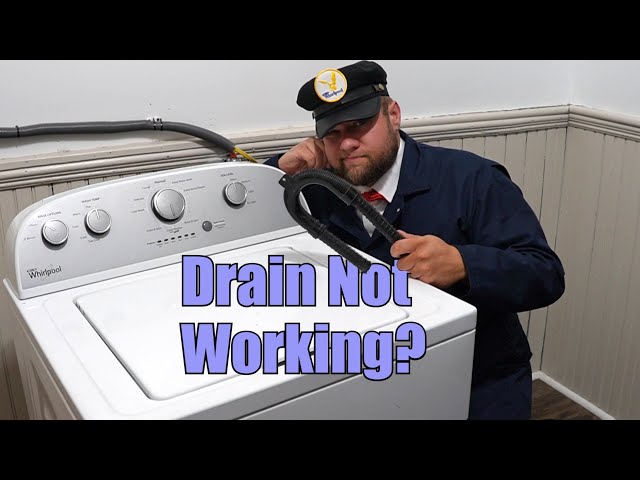
Youtube Video:
Quick Wiring Specifications & Terminal Guide
| Component / Circuit | Standard Wire Gauge | Recommended Protection |
|---|---|---|
| Control & Trigger Signals | 18 – 20 AWG | 5A – 7.5A Inline Fuse |
| Standard Auxiliary Load | 14 – 16 AWG | 15A – 20A Circuit Breaker |
| Main Power Feed / Supply | 10 – 12 AWG | 30A – 40A Heavy-Duty Relay |
Images References
Looking for more diagnostic guides? Explore our complete Washing Machine Problems 1 section for step-by-step troubleshooting solutions.
