
Introduction
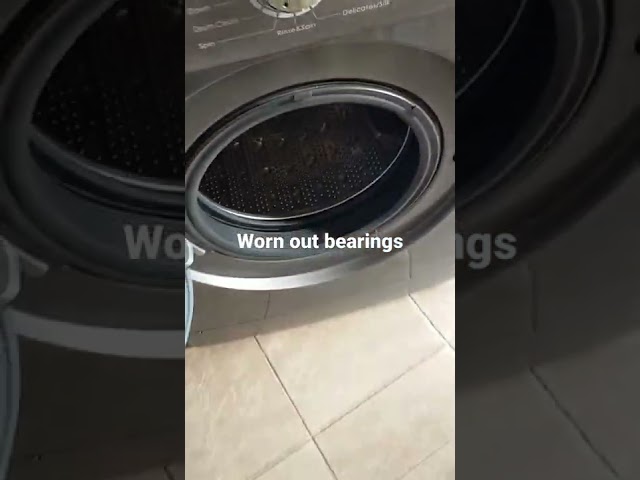
Hearing a loud rumbling, grinding, or screeching noise from your washing machine, especially during the spin cycle? This could be a sign of a problem with your washer bearings. These bearings are crucial for smooth drum rotation, and when they wear down, they create unwanted noise. Ignoring this noise can lead to further damage to your washing machine, potentially resulting in more costly repairs down the line. It’s best to investigate the source of the noise sooner rather than later.
💡 Technical Key Takeaways:
- Core Focus: Diagnostic schematic and terminal connection layout for Washer Bearing Noise.
- Target Scope: Field technicians, automotive DIYers, and residential/commercial electricians.
- Safety Rule: Always disconnect the primary power source/battery terminal and verify zero voltage with a multimeter before touching wires.
Common Causes of Washer Bearing Noise
Several factors can contribute to washer bearing noise. Here are some of the most common:
- Normal Wear and Tear: Over time, the bearings naturally wear down from constant use.
- Overloading the Washer: Consistently putting too many clothes in each load puts excessive strain on the bearings.
- Improper Loading: Unevenly distributed loads can cause the drum to wobble, accelerating bearing wear.
- Lack of Lubrication: Some bearings require lubrication, and a lack of it can lead to friction and noise.
- Foreign Objects: Small items like coins or buttons can get lodged between the drum and tub, damaging the bearings.
- Corrosion: Moisture and detergent residue can cause corrosion, weakening the bearings.
- Bearing Seal Failure: Damaged seals allow water and debris to enter the bearings, causing them to fail.
- Age of the Washing Machine: Older machines are simply more prone to bearing issues due to the age of the components.
Symptoms Checklist
Check for these signs to accurately identify a potential washer bearing issue:
- Loud rumbling, grinding, or screeching noise during the spin cycle.
- The noise worsens as the spin cycle speeds up.
- The washing machine shakes or vibrates excessively during the spin cycle.
- Difficulty manually spinning the drum it feels rough or resists movement.
- Visible rust or corrosion around the bearing area (difficult to see without disassembly).
- A burning rubber smell during operation.
How to Fix Washer Bearing Noise Step-by-Step Guide
Follow these steps to troubleshoot the noise:
- Unplug the Washer: For safety, always disconnect the washing machine from the power outlet before any inspection or repair.
- Inspect the Load: Make sure the load inside is balanced. Redistribute clothes evenly if necessary.
- Level the Washer: Use a level to ensure the washing machine is sitting evenly on the floor. Adjust the leveling feet if needed.
- Check for Obstructions: Inspect the area between the inner drum and outer tub for any foreign objects (coins, buttons, etc.). You may need a flashlight.
- Run an Empty Cycle: Run the washing machine on a short, empty cycle to see if the noise persists without a load.
- Listen Carefully: Try to pinpoint the location of the noise. Is it coming from the back, bottom, or sides of the machine?
- Check the Drum Movement (Unloaded): With the washer unplugged, manually spin the drum. Feel for any roughness, resistance, or wobble.
- Inspect the Drive Pulley: If accessible, check the drive pulley (usually at the back of the washer) for damage or looseness.
- Check the Drive Belt: Look at the drive belt connecting the motor to the drum. Is it worn, cracked, or loose?
- Snug any Loose Screws: Check the screws and bolts attaching the motor, tub, and other components for tightness.
- Check the Suspension Rods/Springs: These support the tub. Inspect them for damage or weakness. A sagging tub can contribute to bearing wear.
- Clean the Washer: Run a washer cleaner cycle to remove any buildup or residue that might be affecting the bearings.
- Re-test: After each adjustment or inspection, run a short cycle to check if the noise has improved.
Fix the Issue Without Buying Parts
Before considering replacements, try these free methods:
- Reset the Washer: Unplug the washer for 10-15 minutes, then plug it back in. This can sometimes reset the control board and resolve minor issues.
- Leveling Adjustment: Ensure your washer is perfectly level. This simple step can often reduce vibrations and noise.
- Regular Cleaning: Use a washer cleaner monthly to prevent buildup and residue that can contribute to bearing wear.
- Load Size Awareness: Avoid overloading your washer. Follow the manufacturer’s guidelines for load capacity.
- Even Load Distribution: Ensure laundry is evenly distributed inside the drum before starting the cycle.
When Replacement Might Be Necessary
If the noise persists after trying the above steps, the bearings themselves may be worn out and require replacement. This is a more complex repair that might require specialized tools and knowledge. The cost to replace washer bearings can range from $150 to $500, depending on the model and labor costs. Other parts that might fail along with the bearings include the bearing seals, the drive shaft, and even the entire outer tub assembly. For more related activities, check out our Samsung Front Load Washer Not Turning On.
Safety Warning
Consider these safety points:
- Always unplug the washing machine from the power outlet before performing any inspection or repair.
- Be careful when lifting or moving the washing machine, as it can be heavy.
- Avoid working on the appliance if the floor is wet.
- If you are not comfortable performing electrical or mechanical repairs, consult a qualified appliance technician.
Tools You May Need
Here’s a list of tools:
- Screwdrivers (Phillips and Flathead)
- Adjustable Wrench
- Socket Set
- Pliers
- Level
- Flashlight
- Gloves
FAQ
Here are a few answers to troubleshooting questions:
- Q: Why is my washer so loud during the spin cycle? A: This could be due to worn bearings, an unbalanced load, or loose components.
- Q: Can I continue using my washer if it’s making noise? A: It’s not recommended. Continuing to use the washer with a bearing issue can cause further damage.
- Q: How do I know if the bearings are the problem and not something else? A: If the noise is a loud rumbling or grinding that increases with spin speed and you feel resistance when manually spinning the drum, bearings are likely the issue.
- Q: Is it cheaper to repair or replace my washing machine? A: If the repair cost (including parts and labor) is more than half the cost of a new machine, consider replacing it.
Conclusion
Addressing washer bearing noise promptly can save you from more costly repairs down the road. Start with the simple troubleshooting steps outlined in this guide. Many issues can be resolved without replacing parts. If the noise persists, don’t hesitate to contact a qualified appliance technician. Taking a proactive approach can keep your washing machine running smoothly for years to come!
Youtube Video:
Quick Wiring Specifications & Terminal Guide
| Component / Circuit | Standard Wire Gauge | Recommended Protection |
|---|---|---|
| Control & Trigger Signals | 18 – 20 AWG | 5A – 7.5A Inline Fuse |
| Standard Auxiliary Load | 14 – 16 AWG | 15A – 20A Circuit Breaker |
| Main Power Feed / Supply | 10 – 12 AWG | 30A – 40A Heavy-Duty Relay |
Images References
Looking for more diagnostic guides? Explore our complete Washing Machine Problems 5 section for step-by-step troubleshooting solutions.
