
Introduction
Is your Samsung washing machine with Wobble Technology shaking violently, making loud noises, or not spinning correctly? These are common signs that something isn’t quite right. Addressing these issues promptly is crucial to prevent further damage to your machine, your floors, and even your plumbing. Ignoring these symptoms can lead to costly repairs or even the need for a complete replacement. Lets get your washer back to working smoothly.
💡 Technical Key Takeaways:
- Core Focus: Diagnostic schematic and terminal connection layout for Samsung Wobble Technology Washing Machine Troubleshooting.
- Target Scope: Field technicians, automotive DIYers, and residential/commercial electricians.
- Safety Rule: Always disconnect the primary power source/battery terminal and verify zero voltage with a multimeter before touching wires.
Common Causes of Samsung Wobble Technology Washing Machine Troubleshooting
Here are some common reasons why your Samsung Wobble washing machine might be acting up:
- Uneven Load: Clothes clumped together can cause imbalance.
- Overloading: Too many items put strain on the machine.
- Unlevel Floor: An uneven surface causes the machine to rock.
- Shipping Bolts: Forgotten bolts lock the drum during transport.
- Damaged Suspension Rods: These support the drum and can wear out.
- Worn Drum Bearings: These bearings allow the drum to spin smoothly.
- Clogged Drain Pump: Obstructions prevent proper draining.
- Malfunctioning Motor Control Board: This controls the motors speed and direction.
Symptoms Checklist
Look for these indicators to help pinpoint the problem:
- Excessive shaking or vibration during the spin cycle.
- Loud banging or thumping noises.
- The machine moving or “walking” across the floor.
- Clothes coming out soaking wet.
- Error codes displayed on the control panel.
- Water leaking from the machine.
- The drum not spinning at all.
How to Fix Samsung Wobble Technology Washing Machine Troubleshooting Step-by-Step Guide
Follow these steps to troubleshoot your washing machine:
- Check the Load Balance: Stop the machine and redistribute the clothes evenly in the drum.
- Reduce the Load Size: Try washing smaller loads to prevent overloading.
- Inspect the Floor: Use a level to ensure the machine is sitting on a level surface. Adjust the leveling feet as needed.
- Remove Shipping Bolts: If the machine is new, make sure you’ve removed all shipping bolts from the back.
- Run a Calibration Cycle: Many Samsung washers have a calibration cycle. Consult your owner’s manual for instructions.
- Check the Suspension Rods: Open the top of the machine (after unplugging it!) and inspect the suspension rods for damage or wear.
- Inspect for Obstructions: Check the drain pump filter for lint, coins, or other debris. Clean as necessary.
- Clean the Detergent Dispenser: Residue buildup can cause problems. Remove and clean the dispenser thoroughly.
- Check the Water Inlet Hoses: Make sure they are properly connected and not kinked.
- Run a Self-Clean Cycle: This can help remove buildup and odors inside the machine.
- Inspect the Drum: Look for any signs of damage or obstruction within the drum itself.
- Check the Drain Hose: Ensure the drain hose isn’t clogged or kinked, preventing proper drainage.
- Listen for Unusual Noises: Pay close attention to the noises the machine makes during operation. This can help you identify the source of the problem.
Fix the Issue Without Buying Parts
Before considering replacements, try these free methods:
- Reset the Machine: Unplug the washer for 10 minutes, then plug it back in. This can reset the control board.
- Recalibration: Run the calibration cycle as per the owner’s manual.
- Cleaning: Regularly clean the detergent dispenser and run self-clean cycles.
- Inspection: Visually inspect hoses, the drum, and the drain pump filter for blockages.
- Leveling: Ensure the machine is perfectly level on the floor.
When Replacement Might Be Necessary
If you’ve tried all the troubleshooting steps and the problem persists, replacement of certain parts might be needed. Common parts that fail include suspension rods (around $50-$100), drum bearings (around $80-$150, often requires professional installation), or the motor control board (around $100-$300). However, consider the age of your machine; if it’s older than 8-10 years, replacing the entire unit might be more cost-effective than investing in expensive repairs.
Safety Warning
- Always unplug the washing machine before performing any maintenance or repairs.
- Avoid working on the machine with wet hands.
- Be careful when handling tools to prevent injury.
- If you are uncomfortable with any of these steps, consult a qualified appliance repair technician.
- Keep children and pets away from the appliance during troubleshooting.
Tools You May Need
- Level
- Screwdrivers (Phillips and flathead)
- Pliers
- Wrench
- Gloves
- Flashlight
- Bucket (to catch water)
FAQ
Here are some frequently asked questions:
- Q: Why is my washing machine shaking so much? A: Usually caused by an unbalanced load or an unlevel floor.
- Q: What does the “UE” error code mean? A: It typically indicates an unbalanced load. Try redistributing the clothes.
- Q: How do I clean the drain pump filter? A: Locate the access panel (usually at the bottom front of the machine), open it, and carefully remove the filter. Clean any debris and reinsert it.
- Q: My clothes are still wet after the spin cycle. What’s wrong? A: Could be a clogged drain pump, a kinked drain hose, or a malfunctioning motor.
- Q: How often should I run a self-clean cycle? A: Typically, once a month is recommended to keep the machine clean and prevent odors.
Conclusion
Troubleshooting your Samsung Wobble Technology washing machine can often be accomplished with a little patience and these steps. Try these solutions before assuming major component failure. However, if youre not comfortable or the problem persists, dont hesitate to contact a qualified appliance repair technician. Getting it right saves money and prolongs appliance life!
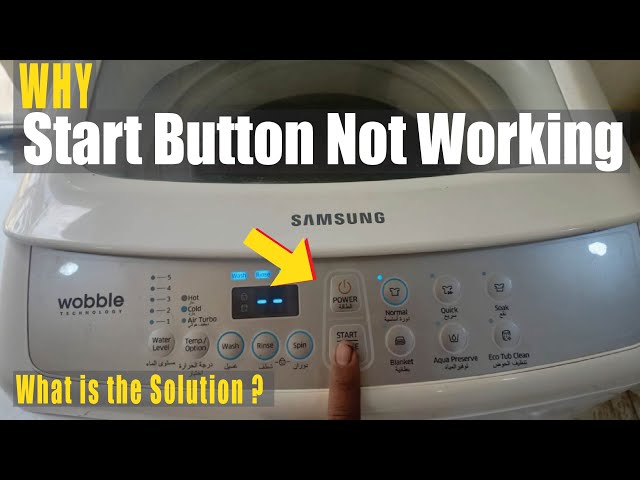
Youtube Video:
Quick Wiring Specifications & Terminal Guide
| Component / Circuit | Standard Wire Gauge | Recommended Protection |
|---|---|---|
| Control & Trigger Signals | 18 – 20 AWG | 5A – 7.5A Inline Fuse |
| Standard Auxiliary Load | 14 – 16 AWG | 15A – 20A Circuit Breaker |
| Main Power Feed / Supply | 10 – 12 AWG | 30A – 40A Heavy-Duty Relay |
Images References
Looking for more diagnostic guides? Explore our complete Washing Machine Problems 5 section for step-by-step troubleshooting solutions.
