
Introduction
A washing machine that doesn’t drain properly is a major inconvenience. The “samsung washer pump not working” issue often leaves you with a tub full of water and wet clothes. This usually happens when the pump, responsible for removing water after the wash and rinse cycles, malfunctions. Addressing this quickly is important to prevent mold growth, water damage, and further issues with your appliance.
💡 Technical Key Takeaways:
- Core Focus: Diagnostic schematic and terminal connection layout for Samsung Washer Pump Not Working.
- Target Scope: Field technicians, automotive DIYers, and residential/commercial electricians.
- Safety Rule: Always disconnect the primary power source/battery terminal and verify zero voltage with a multimeter before touching wires.
Common Causes of samsung washer pump not working
Several things can cause your Samsung washer’s pump to fail:
- Clogged Drain Pump Filter: The most frequent culprit, often blocked by lint, coins, or small clothing items.
- Obstructed Drain Hose: Kinks, twists, or blockages in the hose prevent proper drainage.
- Faulty Drain Pump Motor: The motor itself could be defective, preventing the pump from running.
- Blocked Drain Impeller: The impeller (a small fan inside the pump) might be jammed with debris.
- Wiring Issues: Loose or damaged wiring connecting the pump to the control board.
- Control Board Malfunction: A problem with the washer’s control board might prevent the pump from receiving power.
- Air Lock: Trapped air inside the drain hose can sometimes prevent proper water flow.
- Overuse of Detergent: Excessive detergent can create suds buildup that clogs the system over time.
- Debris in the Tub: small materials blocking the drain hose.
Symptoms Checklist
Here’s how to tell if your Samsung washer pump isn’t working:
- Washer stops mid-cycle and displays an error code related to draining.
- Water remains in the drum after the wash cycle is complete.
- The washer makes unusual noises during the drain cycle (humming, grinding).
- The drain cycle takes much longer than usual.
- Clothes are excessively wet after the cycle.
How to Fix samsung washer pump not working Step-by-Step Guide
Follow these steps to troubleshoot your Samsung washer pump:
- Unplug the Washer: For safety, always disconnect the washer from the power outlet before starting any work.
- Locate the Drain Pump Filter: This is usually found at the front bottom of the washer, behind a small access panel. Consult your owner’s manual if needed.
- Drain Remaining Water: Place a shallow pan or towels beneath the access panel to catch any water that spills out when you open it.
- Open the Drain Pump Filter: Carefully unscrew or unclip the filter cover. Some models require a special tool.
- Clean the Filter: Remove the filter and thoroughly clean it of any lint, coins, hair, or other debris. Rinse it under running water.
- Inspect the Pump Housing: Look inside the pump housing for any visible obstructions. You can use a flashlight to get a better view.
- Check the Drain Hose: Detach the drain hose from the back of the washer and inspect it for kinks, twists, or blockages. Straighten any kinks and remove any obstructions you find.
- Reattach the Drain Hose: Securely reattach the drain hose to the washer.
- Reinstall the Filter: Place the clean filter back into its housing and securely close the cover.
- Level the Washer: Ensure the washing machine is level on the floor. Use a level tool and adjust the feet at the bottom of the machine to achieve proper balance.
- Run a Test Cycle: Plug the washer back in and run a short rinse and spin cycle to see if the pump is now working.
- Check for Error Codes: Pay attention to any error codes displayed during the test cycle. Refer to your owner’s manual to decode the error.
- Inspect Wiring Connections: If the pump still doesn’t work, carefully inspect the wiring connections to the pump motor. Look for loose or corroded wires. (Proceed with caution and unplug the washer first!)
Fix the Issue Without Buying Parts
Sometimes, a simple fix can resolve the issue:
- Reset the Washer: Unplug the washer for 5-10 minutes, then plug it back in. This can sometimes reset the control board and clear any errors.
- Check the Water Level Sensor: A faulty water level sensor can prevent the drain cycle from starting. (Advanced – Requires some knowledge of appliance repair.)
- Reduce Detergent Use: Use only the recommended amount of detergent to prevent suds buildup.
When Replacement Might Be Necessary
If the pump motor is consistently failing despite cleaning and troubleshooting, it might need replacement. A new pump can cost between $50 and $200 USD, depending on the model. Other parts that sometimes fail include the drain hose and the control board (although this is less common).
Safety Warning
- Always unplug the washing machine before performing any maintenance or repairs.
- Be careful when handling water near electrical components.
- Avoid working on the washer if the floor is wet to prevent electric shock.
- Consult an experienced appliance technician if you’re uncomfortable doing any of these steps yourself.
Tools You May Need
- Screwdrivers (Phillips and flathead)
- Pliers
- Shallow pan or towels
- Flashlight
- Level
FAQ
Here are some common questions about washer pump problems:
- Q: My washer is making a loud buzzing noise but not draining. What’s wrong? A: This likely indicates a blockage in the pump or a faulty pump motor. Check the filter and impeller first.
- Q: How often should I clean the drain pump filter? A: Ideally, you should clean the filter every 1-3 months, depending on how frequently you use the washer.
- Q: Can I use a drain cleaner in my washing machine? A: No, it’s not recommended. Drain cleaners can damage the washer’s components.
- Q: The error code on my washer says “drain error.” What does this mean? A: This indicates a problem with the draining system, most likely a blockage or a pump malfunction. Refer to your owner’s manual for specific error code definitions.
Conclusion
Troubleshooting a “samsung washer pump not working” issue can often be resolved with a little investigation and some basic cleaning. Start with the simple steps, such as checking the filter and drain hose. If the problem persists, consider more advanced troubleshooting or consult a qualified appliance technician. DIY solutions can save you money, but remember to prioritize safety and consult professionals when needed.
Youtube Video:
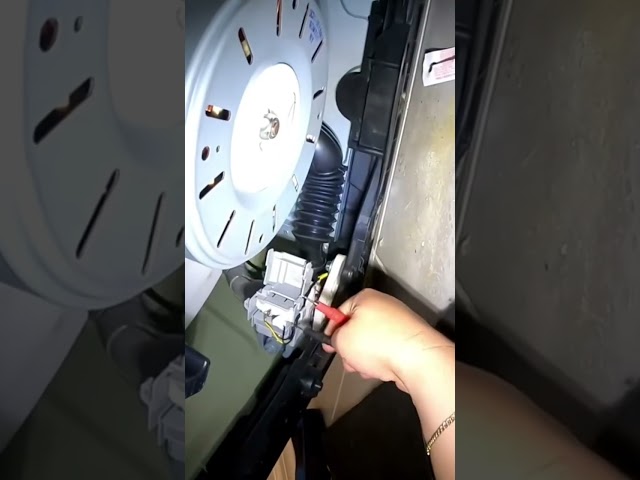
Quick Wiring Specifications & Terminal Guide
| Component / Circuit | Standard Wire Gauge | Recommended Protection |
|---|---|---|
| Control & Trigger Signals | 18 – 20 AWG | 5A – 7.5A Inline Fuse |
| Standard Auxiliary Load | 14 – 16 AWG | 15A – 20A Circuit Breaker |
| Main Power Feed / Supply | 10 – 12 AWG | 30A – 40A Heavy-Duty Relay |
Images References
Looking for more diagnostic guides? Explore our complete Washing Machine Problems 1 section for step-by-step troubleshooting solutions.
