
Introduction
Finding water inside your Samsung RF267AERS refrigerator is a common issue that many homeowners face. It can manifest as puddles on the shelves, dripping from the ceiling, or even ice buildup in unexpected places. This problem needs immediate attention as it can cause food spoilage, unpleasant odors, and even damage the surrounding flooring. Addressing the leak promptly can save you money and prevent further complications. This guide will walk you through the most common causes and provide simple troubleshooting steps to resolve the issue. Explore more in our Refrigerator Problems 5 collection.
💡 Technical Key Takeaways:
- Core Focus: Diagnostic schematic and terminal connection layout for Samsung Rf267aers Leaking Water Inside.
- Target Scope: Field technicians, automotive DIYers, and residential/commercial electricians.
- Safety Rule: Always disconnect the primary power source/battery terminal and verify zero voltage with a multimeter before touching wires.
Common Causes of samsung rf267aers leaking water inside
Here are some common reasons why your Samsung RF267AERS refrigerator might be leaking water inside:
- Clogged Defrost Drain: This is the most frequent culprit. The defrost drain carries water away during the defrost cycle. If it’s blocked with food particles or ice, water will overflow inside the fridge.
- Frozen or Iced-Up Evaporator Coils: If the defrost system isn’t working correctly, ice can build up on the evaporator coils, eventually melting and causing a leak when the fridge is not in defrost.
- Faulty Defrost System: This includes the defrost heater, defrost thermostat, or defrost timer. If any of these components fail, the defrost cycle won’t work correctly, leading to ice buildup and eventual leaks.
- Water Filter Issues: A loose or improperly installed water filter can cause leaks. Also, using a non-Samsung filter might not create a tight seal.
- Water Line Problems: The water line that supplies water to the ice maker and water dispenser can develop cracks or leaks.
- Cracked or Damaged Water Tank: Some refrigerators have a small water tank inside. Cracks in this tank will lead to slow but persistent leaks.
- Door Seal Issues: A damaged or improperly sealing door gasket allows warm air to enter the refrigerator, leading to condensation and potential leaks.
- Improper Leveling: If the refrigerator is not properly leveled, condensation can accumulate and drip inside.
Symptoms Checklist
Here are some signs that indicate a water leak inside your Samsung RF267AERS refrigerator:
- Puddles of water on the shelves or the bottom of the refrigerator.
- Ice buildup on the back wall of the freezer or refrigerator.
- Water dripping from the ceiling of the refrigerator compartment.
- Unusual noises coming from the refrigerator.
- A musty or moldy smell inside the refrigerator.
- Water stains on the floor around the refrigerator.
How to Fix samsung rf267aers leaking water inside Step-by-Step Guide
Follow these steps to troubleshoot and fix the water leak:
- Unplug the Refrigerator: For safety, always disconnect the refrigerator from the power outlet before starting any troubleshooting.
- Locate the Defrost Drain: Inside the freezer compartment, usually on the back wall near the bottom, you’ll find a small hole. This is the defrost drain.
- Clear the Defrost Drain: Use a turkey baster filled with hot water or a long, flexible object like a pipe cleaner or thin wire to clear any blockage in the drain. Gently push and twist to break up any ice or debris.
- Check the Water Filter: Remove the water filter and inspect it for cracks or damage. Ensure it’s properly seated when you reinstall it. If you’ve recently replaced the filter with a non-Samsung brand, try switching back to a Samsung filter.
- Inspect the Water Line: Trace the water line from the back of the refrigerator to the water supply valve. Look for any signs of leaks or damage. Tighten any loose connections.
- Examine the Door Seals (Gaskets): Check the rubber seals around both the refrigerator and freezer doors. Clean them with a damp cloth and ensure they are making good contact with the refrigerator frame. Replace them if they are cracked or torn.
- Level the Refrigerator: Use a level to ensure the refrigerator is sitting level. Adjust the front legs as needed. The refrigerator should be slightly tilted back to help the doors close properly.
- Check the Evaporator Coils: If you can access the evaporator coils (usually behind a panel in the freezer), inspect them for excessive ice buildup. If they are completely encased in ice, this indicates a defrost system problem.
- Manually Defrost the Refrigerator: If you suspect a defrost system issue, unplug the refrigerator and leave the doors open for 24-48 hours to allow all the ice to melt. Place towels inside to absorb the water.
- Reconnect the Refrigerator: Once the refrigerator is completely defrosted, plug it back in and monitor it for a few days to see if the leak returns.
- Monitor for Leaks: After performing each step, wait a few hours and check for any signs of water. This will help you pinpoint the source of the leak.
Fix the Issue Without Buying Parts
Before considering replacing any parts, try these free methods:
- Refrigerator Reset: Simply unplug the refrigerator for 5-10 minutes and plug it back in. This can sometimes reset the control board and resolve minor issues.
- Thorough Cleaning: Clean the inside of the refrigerator regularly, paying attention to spills and crumbs. This prevents clogs in the drain.
- Temperature Recalibration: Ensure the temperature settings are correct. Extremely cold temperatures can cause excessive condensation.
- Regular Inspection: Periodically check the defrost drain and water lines for any signs of clogs or leaks.
- Airflow Maintenance: Avoid overcrowding the refrigerator with food, as this can restrict airflow and contribute to condensation.
When Replacement Might Be Necessary
If the leak persists after trying the above steps, a component of the defrost system might be failing. For more related activities, check out our Samsung Refrigerator Fan Is Loud.
- Defrost Heater: This part melts ice on the evaporator coils. A new heater can cost between $30 and $70.
- Defrost Thermostat: This thermostat monitors the temperature of the evaporator coils and tells the heater when to turn on. Expect to pay $20 – $50 for a replacement.
- Water Filter Housing: If the leak is coming from the filter area, the housing may be cracked. Replacement costs range from $50 to $150.
Consider seeking professional help from a qualified appliance repair technician before replacing any parts. A technician can accurately diagnose the problem and recommend the appropriate solution.
Safety Warning
- Always unplug the refrigerator before attempting any repairs.
- Be careful when handling electrical components.
- Clean up any water spills immediately to prevent slips and falls.
- Do not use excessive force when clearing the defrost drain, as you could damage the drain tube.
Tools You May Need
- Screwdrivers (Phillips and flathead)
- Adjustable wrench
- Turkey baster or pipe cleaner
- Level
- Towels
FAQ
Here are some frequently asked questions about water leaks in Samsung RF267AERS refrigerators:
-
Q: Why is my refrigerator leaking after I changed the water filter?
A: Make sure the water filter is properly seated and tightened. Also, ensure you are using the correct type of water filter for your refrigerator model. -
Q: How often should I clean the defrost drain?
A: It’s a good practice to clean the defrost drain every 6 months to prevent clogs. -
Q: Can a faulty door seal cause a water leak?
A: Yes, a damaged or improperly sealing door seal can allow warm air to enter the refrigerator, leading to condensation and leaks. -
Q: What if the water is leaking from the bottom of the freezer?
A: This is often caused by a clogged defrost drain. Try clearing the drain as described in the troubleshooting steps.
Conclusion
Troubleshooting a water leak in your Samsung RF267AERS refrigerator can seem daunting, but by following these simple steps, you can often resolve the issue yourself. Start with the easiest solutions, such as clearing the defrost drain and checking the water filter. If the leak persists, it might be time to consider replacing a faulty component or seeking professional help. Remember, addressing the problem quickly will prevent further damage and save you money in the long run. Good luck!. Discover more free resources across our collection library.
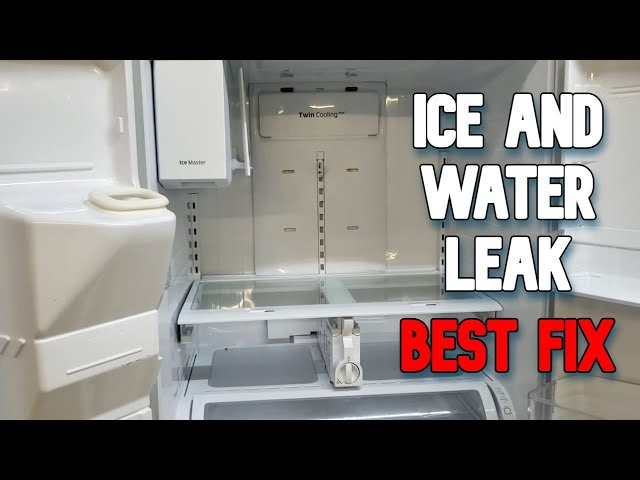
Youtube Video:
Quick Wiring Specifications & Terminal Guide
| Component / Circuit | Standard Wire Gauge | Recommended Protection |
|---|---|---|
| Control & Trigger Signals | 18 – 20 AWG | 5A – 7.5A Inline Fuse |
| Standard Auxiliary Load | 14 – 16 AWG | 15A – 20A Circuit Breaker |
| Main Power Feed / Supply | 10 – 12 AWG | 30A – 40A Heavy-Duty Relay |
