
Introduction
A dark freezer in your Samsung refrigerator can be more than just an inconvenience. It makes finding items difficult, can lead to food spoilage if you accidentally leave the door ajar, and can indicate a minor electrical problem. It’s a common issue, especially in older refrigerators, and often stems from simple causes. Addressing it promptly can prevent further issues and ensure your food stays properly frozen. Explore more in our Refrigerator Problems 5 collection.
💡 Technical Key Takeaways:
- Core Focus: Diagnostic schematic and terminal connection layout for Samsung Refrigerator Freezer Light Not Working.
- Target Scope: Field technicians, automotive DIYers, and residential/commercial electricians.
- Safety Rule: Always disconnect the primary power source/battery terminal and verify zero voltage with a multimeter before touching wires.
Common Causes of samsung refrigerator freezer light not working
Here are some common reasons why the light in your Samsung refrigerator freezer might not be working:
- Burned-Out Bulb: The most obvious and frequent cause. Like any bulb, refrigerator bulbs eventually burn out.
- Loose Bulb: The bulb might have simply come loose in its socket due to vibrations.
- Faulty Light Socket: The socket itself could be damaged or corroded, preventing proper electrical contact.
- Door Switch Problem: The switch that activates the light when the door opens might be stuck, broken, or misaligned.
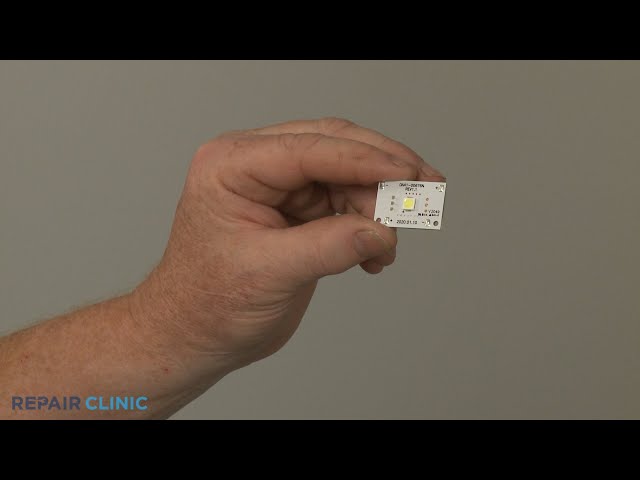
- Defective LED Driver (LED Lights Only): If your refrigerator uses LED lighting, the LED driver (a small circuit board) could be faulty.
- Wiring Issue: A wire leading to the light could be disconnected or damaged.
- Main Control Board Issue: In rare cases, a problem with the refrigerator’s main control board could prevent the light from working.
- Freezer Overload: Excessive ice build-up around the light or door switch can sometimes interfere with its operation.
Symptoms Checklist
Check these indicators to accurately diagnose the problem:
- The freezer light does not turn on when the door is opened.
- The refrigerator light works fine, but the freezer light doesn’t.
- The light flickers intermittently.
- The light was working previously, but now it’s completely out.
- You recently replaced the bulb, and the new one doesn’t work either.
How to Fix samsung refrigerator freezer light not working Step-by-Step Guide
Follow these steps to troubleshoot your freezer light:
- Safety First: Unplug your refrigerator from the power outlet before starting any troubleshooting. This is crucial to avoid electrical shock.
- Check the Bulb (If Applicable): Locate the light bulb in the freezer. Gently remove it and inspect the filament. If it’s broken or blackened, the bulb is likely burned out.
- Test the Bulb (If Applicable): If you have a multimeter, you can test the bulb’s continuity. Set the multimeter to the continuity setting. Touch one probe to the base of the bulb and the other to the side contact. If the meter doesn’t beep or show a reading, the bulb is bad.
- Try a New Bulb (If Applicable): Replace the bulb with a new one of the correct type and wattage. Make sure it’s securely screwed in.
- Check the Bulb Socket: If the new bulb doesn’t work, inspect the socket. Look for any signs of corrosion, damage, or loose connections.
- Clean the Socket: If you see corrosion, gently clean the socket with a cotton swab dipped in rubbing alcohol. Make sure the socket is completely dry before inserting a bulb.
- Locate the Door Switch: The door switch is usually located near the door frame. It’s a small button or lever that gets pressed when the door is closed.
- Test the Door Switch: Press and release the door switch manually. Listen for a click. If you don’t hear a click, the switch might be stuck.
- Clean the Door Switch: Clean the area around the door switch with a damp cloth to remove any dirt or debris that might be preventing it from working properly.
- Check for Obstructions: Make sure nothing is blocking the door switch from being fully depressed when the door is closed. Sometimes, ice or food items can interfere.
- Inspect the Wiring (If Comfortable): Only if you’re comfortable working with electrical wiring, carefully inspect the wires leading to the light socket and the door switch. Look for any signs of damage, such as cuts, fraying, or loose connections. If you are not comfortable with this step, skip to the next and consult a professional.
- Look for Loose Connections: If you find any loose connections, gently re-attach them. Make sure they are secure.
- Check the LED Driver (LED Lights Only): If your freezer uses LED lighting, the LED driver might be the problem. This requires more advanced troubleshooting and is best left to a qualified technician.
- Power Cycle the Refrigerator: Unplug the refrigerator for 5 minutes, then plug it back in. This can sometimes reset the system and resolve minor electrical glitches.
Fix the Issue Without Buying Parts
Often, you can fix the issue without needing to buy any replacement parts:
- Reset the Refrigerator: As mentioned above, unplugging the refrigerator for a few minutes can sometimes reset the system.
- Thorough Cleaning: Clear any ice buildup around the light and door switch.
- Inspect and Re-seat the Bulb: Make sure the bulb is properly seated in its socket. Sometimes simply unscrewing it and screwing it back in firmly can solve the problem.
- Regular Maintenance: Periodically clean the interior of your refrigerator and freezer to prevent ice buildup and debris from interfering with the door switch.
When Replacement Might Be Necessary
If none of the troubleshooting steps above work, you might need to replace a part. Common parts that fail include:
- Light Bulb: $5 – $15
- Door Switch: $10 – $30
- Light Socket: $15 – $40
- LED Driver (LED Lights Only): $30 – $80 (Professional Installation Recommended)
Safety Warning
- Always unplug the refrigerator before working on it to avoid electric shock.
- Be careful when handling electrical components.
- If you’re not comfortable working with electricity, consult a qualified technician.
- Avoid working on the refrigerator with wet hands or on a wet floor.
Tools You May Need
- Screwdriver (Phillips or flathead, depending on your refrigerator model)
- Multimeter (optional, for testing the bulb and switch)
- Rubbing alcohol
- Cotton swabs
- New light bulb (correct type and wattage)
FAQ
Here are some frequently asked questions:
-
Q: My freezer light worked yesterday, but not today. What could have changed?
A: The bulb likely burned out suddenly, or the door switch might have gotten stuck. Try replacing the bulb and cleaning the switch. -
Q: I replaced the bulb, but it still doesn’t work. Now what?
A: The problem is likely not the bulb. Check the socket and the door switch. -
Q: How do I know what type of bulb to buy?
A: Check your refrigerator’s user manual or look for markings on the old bulb. -
Q: Is it safe to use a regular light bulb in my freezer?
A: No. Use only appliance-grade bulbs designed for cold temperatures.
Conclusion
Troubleshooting a dark freezer doesn’t have to be daunting. By following these simple steps, you can often identify and fix the problem yourself, saving time and money. If you’ve exhausted these solutions and the light still isn’t working, it might be time to consult a qualified appliance repair technician. Good luck!. Discover more free resources across our collection library.
Youtube Video:
Quick Wiring Specifications & Terminal Guide
| Component / Circuit | Standard Wire Gauge | Recommended Protection |
|---|---|---|
| Control & Trigger Signals | 18 – 20 AWG | 5A – 7.5A Inline Fuse |
| Standard Auxiliary Load | 14 – 16 AWG | 15A – 20A Circuit Breaker |
| Main Power Feed / Supply | 10 – 12 AWG | 30A – 40A Heavy-Duty Relay |
