
Introduction
Discovering water leaking from your Samsung fridge door can be frustrating. It’s a sign that something isn’t working as it should, and if left unattended, it can lead to bigger problems like mold growth, floor damage, or even food spoilage. This issue commonly arises from a blocked drain, a faulty door seal, or temperature control problems. Addressing this promptly can save you money and prevent further damage to your kitchen.
💡 Technical Key Takeaways:
- Core Focus: Diagnostic schematic and terminal connection layout for Samsung Fridge Door Leaking Water.
- Target Scope: Field technicians, automotive DIYers, and residential/commercial electricians.
- Safety Rule: Always disconnect the primary power source/battery terminal and verify zero voltage with a multimeter before touching wires.
Common Causes of Samsung Fridge Door Leaking Water
Several factors can contribute to water leaking from your Samsung fridge door:
- Clogged Defrost Drain: This is the most frequent culprit. Ice buildup blocks the drain, causing water to overflow and leak.
- Faulty Door Seal (Gasket): A damaged or dirty door seal prevents a tight closure, allowing warm air to enter, causing condensation and leaks.
- Incorrect Temperature Settings: Setting the fridge too cold can lead to excessive ice formation, which melts and leaks.
- Overfilled Refrigerator: Blocking vents with food can disrupt airflow and cause condensation.
- Blocked Air Vents: If the air vents inside the fridge are blocked, it causes uneven temperatures and condensation.
- Damaged Water Filter Housing: A crack in the water filter housing (if your fridge has one) can cause drips near the door.
- Leaky Water Line: If your fridge has an ice maker or water dispenser, a leaky water line behind the fridge can cause water to pool near the front.
- Ice Maker Issues: Problems with the ice maker itself, such as a stuck valve, can lead to overflowing and leaking.
Symptoms Checklist
Here are some indicators that can help you pinpoint the problem:
- Puddle of water in front of the fridge door.
- Ice buildup on the back wall of the refrigerator.
- Visible condensation inside the fridge.
- Unusual noises coming from the fridge (e.g., gurgling).
- Food spoiling faster than usual.
- Freezer seems to be working fine, but the fridge is too warm.
How to Fix Samsung Fridge Door Leaking Water Step-by-Step Guide
Follow these steps to diagnose and fix the issue:
- Unplug the Refrigerator: For safety, always unplug your fridge before any repairs.
- Locate the Defrost Drain: It’s usually at the back wall inside the freezer compartment, often behind a panel.
- Clear the Defrost Drain: Use a turkey baster filled with warm water to flush the drain. You can also use a flexible wire (like a pipe cleaner) to gently dislodge any blockage. Repeat several times.
- Inspect the Door Seal (Gasket): Check the door seal for cracks, tears, or dirt. Clean it thoroughly with warm soapy water and a soft cloth.
- Test the Door Seal: Close the door on a dollar bill. If you can easily pull the bill out, the seal might be compromised and need further attention. Test around the entire perimeter.
- Adjust Temperature Settings: Make sure the fridge and freezer are set to the recommended temperatures (typically 37F for the fridge and 0F for the freezer).
- Check for Blocked Air Vents: Ensure that food items aren’t blocking the air vents inside the fridge. Rearrange items to allow for proper airflow.
- Inspect the Water Filter (If Applicable): If your fridge has a water filter, check the filter housing for any cracks or leaks. Make sure the filter is properly installed.
- Check the Water Line (If Applicable): If your fridge has a water dispenser or ice maker, check the water line connection behind the fridge for any leaks.
- Examine the Ice Maker: Look for any signs of ice buildup or overflowing around the ice maker. If there’s excess ice, try defrosting the ice maker manually.
- Check the Drain Pan: Located at the bottom of the fridge, the drain pan catches excess water. Ensure it’s not overflowing.
- Clean the Drain Pan: Remove and clean the drain pan to prevent odors and bacterial growth.
- Plug the Fridge Back In: After completing the checks, plug the fridge back in and monitor it for a few days to see if the leaking stops.
Fix the Issue Without Buying Parts
Often, you can resolve the leak without spending money:
- Reset the Fridge: Unplug the fridge for 30 minutes to reset the system.
- Deep Cleaning: Regularly clean the inside of your fridge to prevent food debris from blocking vents.
- Proper Food Storage: Store food in airtight containers to minimize condensation.
- Leveling: Ensure the fridge is properly leveled. An unlevel fridge can cause drainage issues.
- Maintenance: Regular cleaning of the door seals and defrost drain can prevent future problems.
When Replacement Might Be Necessary
If the leaking persists despite your efforts, some parts might need replacement. Common culprits include:
- Door Seal (Gasket): $30 – $100 (USD)
- Water Filter Housing: $50 – $150 (USD)
- Water Line: $20 – $50 (USD)
Consider contacting a qualified appliance repair technician for further diagnosis and repair if you’re not comfortable replacing these parts yourself. For more related activities, check out our Refrigerator Not Cooling Hear Clicking Sound.
Safety Warning
- Always unplug the appliance before performing any troubleshooting or repairs.
- Be careful when handling water near electrical components.
- Clean up any water spills immediately to prevent slips and falls.
Tools You May Need
- Screwdriver (Phillips and flathead)
- Turkey baster or syringe
- Soft cloth or sponge
- Warm water and mild soap
- Flexible wire or pipe cleaner
FAQ
Here are some frequently asked questions:
-
Q: Why is my Samsung fridge leaking even after I cleared the drain?
A: The drain might be partially blocked further down. Try using a longer, flexible wire. Also, check if the door seal is compromised, allowing warm air in. -
Q: How often should I clean my fridge’s defrost drain?
A: Ideally, clean it every 6 months to prevent blockages. -
Q: Can a faulty water filter cause a leak?
A: Yes, a cracked or improperly installed water filter or its housing can lead to leaks. -
Q: What temperature should I set my fridge to prevent leaks?
A: Set your fridge to around 37F (3C) to prevent excessive ice buildup.
Conclusion
Water leaking from your Samsung fridge door can be a nuisance, but with a little patience and these troubleshooting steps, you can often resolve the issue yourself. Remember to prioritize safety and take your time. If you’ve exhausted these steps and the leaking continues, don’t hesitate to call a qualified appliance repair technician for professional assistance.
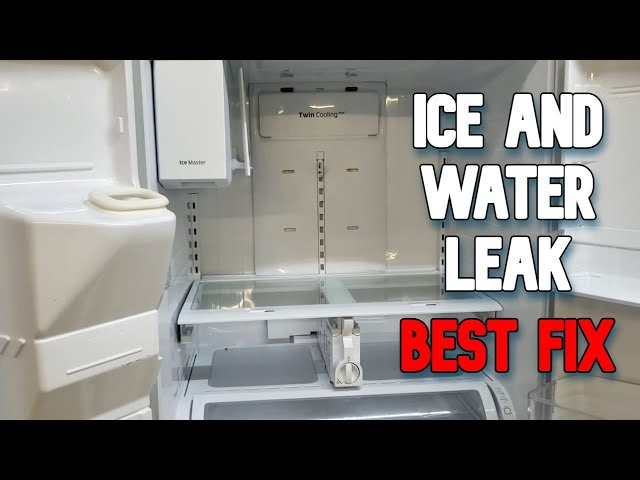
Youtube Video:
Quick Wiring Specifications & Terminal Guide
| Component / Circuit | Standard Wire Gauge | Recommended Protection |
|---|---|---|
| Control & Trigger Signals | 18 – 20 AWG | 5A – 7.5A Inline Fuse |
| Standard Auxiliary Load | 14 – 16 AWG | 15A – 20A Circuit Breaker |
| Main Power Feed / Supply | 10 – 12 AWG | 30A – 40A Heavy-Duty Relay |
Images References
Looking for more diagnostic guides? Explore our complete Refrigerator Problems 5 section for step-by-step troubleshooting solutions.
