
Introduction
A washing machine that won’t drain is a homeowner’s nightmare. One of the most common culprits behind this issue, especially in Samsung washers, is a problem with the drain pump. When the drain pump isn’t working correctly, your clothes sit in a tub full of water, leading to inconvenience and potential water damage. Addressing this problem quickly can prevent further damage to your machine and your home. This guide will walk you through simple steps to diagnose and potentially fix the issue yourself.
💡 Technical Key Takeaways:
- Core Focus: Diagnostic schematic and terminal connection layout for Samsung Drain Pump Problems.
- Target Scope: Field technicians, automotive DIYers, and residential/commercial electricians.
- Safety Rule: Always disconnect the primary power source/battery terminal and verify zero voltage with a multimeter before touching wires.
Common Causes of Samsung Drain Pump Problems
Here are some of the most common reasons why your Samsung washing machine’s drain pump might be failing:. For more related activities, check out our Samsung Front Load Washer Not Spinning.
- Clogged Drain Hose: The hose carrying water out of the machine can get blocked with lint, socks, or other debris.
- Clogged Drain Pump Filter: The filter designed to catch debris before it reaches the pump can become overloaded.
- Foreign Objects in the Pump: Small items like coins, buttons, or paper clips can get past the filter and jam the pump impeller (the part that spins to move water).
- Faulty Drain Pump Motor: The motor that powers the pump can wear out over time, eventually failing.
- Wiring Issues: Damaged or loose wires connecting to the drain pump can prevent it from working.
- Blocked Drainpipe: The drainpipe where the washing machine empties can become clogged, preventing water from flowing out.
- Air Lock: An air bubble trapped in the drain hose can prevent the pump from working effectively.
- Control Board Malfunction: Although less common, a problem with the washing machine’s control board can sometimes prevent the drain pump from activating.
Symptoms Checklist
Here are some telltale signs that you might have a Samsung drain pump problem:
- Washing machine doesn’t drain after a wash cycle.
- Standing water remains in the drum after the cycle is complete.
- The washing machine makes a humming or buzzing sound during the drain cycle, but no water is being pumped out.
- The washing machine displays an error code related to draining (e.g., 5E, E2, or similar). Check your owner’s manual.
- The drain cycle takes an unusually long time.
- Clothes are sopping wet after the spin cycle.
How to Fix Samsung Drain Pump Problems Step-by-Step Guide
Follow these steps to troubleshoot your Samsung drain pump:
- Unplug the Washing Machine: Always disconnect the power before working on any appliance. Safety first!
- Locate the Drain Pump Filter: This is usually located at the bottom front of the machine, behind a small access panel. You may need a flathead screwdriver to open the panel.
- Prepare for Water Spillage: Place a shallow pan or towels under the access panel, as some water will likely come out.
- Open the Drain Pump Filter: Slowly unscrew or twist the filter cap counterclockwise. Be prepared for water to flow out.
- Clean the Drain Pump Filter: Remove any lint, hair, coins, or other debris from the filter. Rinse it thoroughly under running water.
- Inspect the Drain Pump Housing: Shine a flashlight into the drain pump housing (where the filter was located). Look for any obstructions. If you see something, try to carefully remove it with needle-nose pliers.
- Check the Drain Hose: Disconnect the drain hose from the back of the washing machine. Inspect it for kinks, clogs, or blockages. You can try flushing it out with a garden hose.
- Inspect the Drainpipe: Make sure the drainpipe where the washing machine empties isn’t clogged. You can use a plumbing snake to clear any blockages.
- Reassemble Everything: Reinstall the drain pump filter, making sure it’s securely tightened. Reconnect the drain hose to the washing machine.
- Plug in the Washing Machine: Plug the power cord back into the outlet.
- Run a Test Cycle: Select a short wash cycle and observe whether the washing machine drains properly.
- Check for Error Codes: If the problem persists and you see an error code, consult your owner’s manual for specific troubleshooting steps related to that code.
- Listen for Pump Noise: During the drain cycle, listen closely to the pump. A healthy pump will make a whirring sound. If you hear a loud buzzing or grinding noise, it could indicate a problem with the pump motor.
Fix the Issue Without Buying Parts
Often, you can resolve Samsung drain pump problems without immediately resorting to replacement parts:
- Reset the Washing Machine: Unplug the machine for 5-10 minutes, then plug it back in. This can sometimes clear temporary glitches.
- Deep Clean the Tub: Regularly clean the washing machine tub with a washing machine cleaner to prevent lint buildup that can clog the drain system.
- Recalibrate the Machine (if applicable): Some Samsung models have a calibration mode. Check your owner’s manual for instructions on how to run this.
- Inspect Hoses Regularly: Periodically check the drain hose and inlet hoses for kinks, cracks, or leaks.
- Avoid Overloading the Machine: Overloading can put extra strain on the drain pump.
When Replacement Might Be Necessary
If you’ve tried all the troubleshooting steps and the drain pump still isn’t working, it might be time to consider replacing it. A new Samsung drain pump typically costs between $50 and $150 USD, depending on the model. The most common parts that fail in the drain pump are the motor and the impeller. Before replacing the pump, double-check the wiring connections to ensure they are secure.
Safety Warning
- Always unplug the washing machine before performing any maintenance or repairs.
- Be careful when handling water, as it can create a slip hazard. Clean up any spills immediately.
- If you’re not comfortable working with electrical components, consult a qualified appliance repair technician.
Tools You May Need
Here’s a list of tools that might come in handy for this repair:
- Flathead Screwdriver
- Phillips Head Screwdriver
- Pliers (Regular and Needle-Nose)
- Shallow Pan or Towels
- Flashlight
- Plumbing Snake (for drainpipe clogs)
FAQ
Here are some frequently asked questions about Samsung drain pump issues:
-
Q: My washing machine is making a loud buzzing noise, but not draining. What could be the problem?
A: This often indicates that the drain pump is jammed by a foreign object or that the pump motor is failing. Try cleaning the drain pump filter and inspecting the pump housing. -
Q: How often should I clean the drain pump filter?
A: It’s a good idea to clean the drain pump filter every 1-3 months, depending on how frequently you use your washing machine. -
Q: What does the “5E” or “E2” error code mean on my Samsung washing machine?
A: These error codes typically indicate a problem with the draining system. Consult your owner’s manual for specific troubleshooting steps. -
Q: Can I use bleach to clean the drain pump filter?
A: It’s generally not recommended to use bleach, as it can damage the filter. Use mild soap and water instead.
Conclusion
Troubleshooting a Samsung drain pump problem can seem daunting, but by following these steps, you can often diagnose and fix the issue yourself. Remember to always prioritize safety and take your time. If you’ve exhausted all the troubleshooting options and the problem persists, don’t hesitate to call a qualified appliance repair technician. In many cases, a simple cleaning or minor adjustment can save you the cost of a service call.
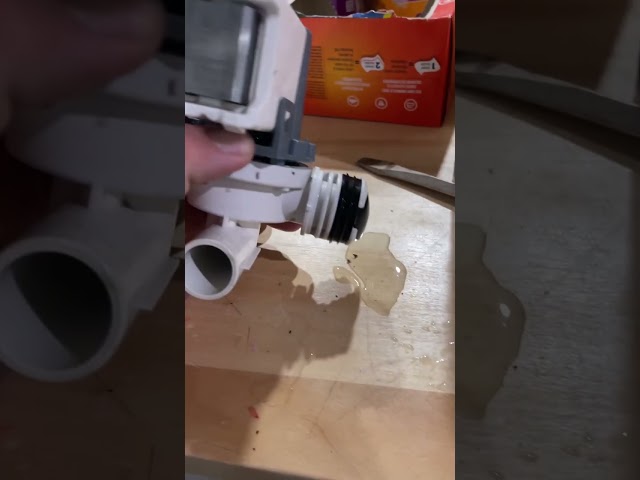
Youtube Video:
Quick Wiring Specifications & Terminal Guide
| Component / Circuit | Standard Wire Gauge | Recommended Protection |
|---|---|---|
| Control & Trigger Signals | 18 – 20 AWG | 5A – 7.5A Inline Fuse |
| Standard Auxiliary Load | 14 – 16 AWG | 15A – 20A Circuit Breaker |
| Main Power Feed / Supply | 10 – 12 AWG | 30A – 40A Heavy-Duty Relay |
Images References
Looking for more diagnostic guides? Explore our complete Washing Machine Problems 1 section for step-by-step troubleshooting solutions.
