
Introduction
A loud refrigerator compressor can be alarming and indicate a potential problem. The compressor is the heart of your fridge, responsible for circulating refrigerant and keeping your food cold. When it starts making unusual noises like buzzing, grinding, or rattling, it’s a sign that something isn’t quite right. Ignoring these noises can lead to more serious issues and potentially a complete refrigerator breakdown, resulting in spoiled food and costly repairs. This guide will help you understand the common causes of a noisy compressor and provide simple troubleshooting steps you can take to address the issue before it escalates.
💡 Technical Key Takeaways:
- Core Focus: Diagnostic schematic and terminal connection layout for Refrigerator Compressor Is Loud.
- Target Scope: Field technicians, automotive DIYers, and residential/commercial electricians.
- Safety Rule: Always disconnect the primary power source/battery terminal and verify zero voltage with a multimeter before touching wires.
Common Causes of a Loud Refrigerator Compressor
Here are some of the most common reasons why your refrigerator compressor might be making excessive noise:
- Loose Components: Screws, bolts, or other parts near the compressor can loosen over time, causing vibrations and rattling noises.
- Dirty Condenser Coils: Dust and debris can accumulate on the condenser coils, forcing the compressor to work harder and potentially overheat, leading to increased noise.
- Worn Motor Mounts: The rubber mounts that cushion the compressor can deteriorate, allowing the compressor to vibrate more and create louder noises.
- Faulty Start Relay: The start relay helps the compressor kick on. A failing relay can cause a clicking or buzzing sound.
- Refrigerant Issues: Low refrigerant levels or a leak can make the compressor work harder and cause it to make unusual noises.
- Internal Compressor Damage: Over time, the internal components of the compressor can wear out or become damaged, resulting in grinding or knocking sounds.
- Hard Start Kit Failure: If your fridge has a hard start kit installed, it can also cause noise if it starts to fail.
- Fan Problems: The condenser fan or evaporator fan can cause additional noise and put more stress on the compressor.
Symptoms Checklist
Look for these symptoms to accurately identify the problem:
- Loud buzzing, humming, clicking, or rattling noises coming from the back or bottom of the refrigerator.
- The refrigerator is not cooling as well as it used to.
- The compressor is running more frequently than normal.
- Vibrations can be felt when touching the refrigerator’s exterior.
- The back of the refrigerator feels unusually hot.
How to Fix a Loud Refrigerator Compressor Step-by-Step Guide
Follow these steps to troubleshoot the issue:
- Unplug the Refrigerator: Before starting any work, disconnect the refrigerator from the power outlet for safety.
- Locate the Compressor: The compressor is usually a black, cylinder-shaped component located at the back of the refrigerator, near the bottom.
- Check for Loose Components: Carefully inspect the area around the compressor for any loose screws, bolts, or brackets. Tighten any that you find.
- Clean the Condenser Coils: Locate the condenser coils (usually on the back or bottom). Use a vacuum cleaner with a brush attachment to remove dust and debris.
- Inspect the Motor Mounts: Examine the rubber mounts that hold the compressor in place. If they appear cracked, worn, or damaged, they may need replacement (see “When Replacement Might Be Necessary”).
- Check the Start Relay: The start relay is a small, rectangular component attached to the compressor. If possible, gently tap it. If the noise changes or stops, it might be faulty. Note: replacing this component may require an appliance repair technician.
- Listen Carefully: With the refrigerator plugged back in (briefly and cautiously), listen closely to pinpoint the source of the noise.
- Check the Fan Blades: If your refrigerator has a condenser fan near the compressor, make sure the fan blades are clean and not obstructed.
- Check the Evaporator Fan: Open the freezer and listen for the evaporator fan. Ensure it’s running smoothly and not hitting any ice buildup.
- Level the Refrigerator: An uneven refrigerator can cause the compressor to vibrate more. Use a level to ensure the refrigerator is sitting properly. Adjust the leveling feet as needed.
- Move the Refrigerator: Make sure the fridge isnt pushed too close to the wall. This can amplify vibrations.
- Defrost Manually: If you notice excessive ice buildup, manually defrosting the refrigerator can alleviate stress on the compressor.
Fix the Issue Without Buying Parts
Often, a loud compressor can be resolved without buying new parts:
- Reset: Unplug the refrigerator for 30 minutes, then plug it back in. This can sometimes reset the compressor and resolve minor issues.
- Cleaning: Regularly cleaning the condenser coils (every 6 months) can prevent overheating and reduce compressor noise.
- Inspection Tips: Regularly inspect the area around the compressor for any signs of leaks, loose components, or damage.
- Maintenance Basics: Ensure proper ventilation around the refrigerator and avoid overloading it with food, which can strain the compressor.
When Replacement Might Be Necessary
If the noise persists after troubleshooting, and especially if you hear grinding or knocking sounds, the compressor itself might be failing. Replacing the compressor is a complex and expensive repair, typically costing between $400 and $800 (USD), including labor. Other parts that might require replacement include the start relay ($20-$50 USD) or the motor mounts ($10-$30 USD). It’s often more cost-effective to replace an older refrigerator than to replace a faulty compressor.
Safety Warning
- Always unplug the refrigerator before performing any maintenance or repairs.
- Avoid working on electrical components if you are not comfortable or experienced.
- If you suspect a refrigerant leak, do not attempt to repair it yourself. Contact a qualified appliance repair technician.
- Keep the area around the refrigerator dry to prevent electrical shock.
Tools You May Need
- Screwdriver (Phillips and flathead)
- Vacuum cleaner with brush attachment
- Adjustable wrench
- Level
FAQ
Here are some frequently asked questions about loud refrigerator compressors:
- Q: Why is my refrigerator compressor so loud all of a sudden? A: It could be due to loose components, dirty condenser coils, or a failing start relay.
- Q: Is a loud compressor a sign that my refrigerator is about to die? A: Not necessarily, but it’s a warning sign that needs attention. Ignoring it can lead to more serious problems.
- Q: Can I fix a loud compressor myself? A: Yes, you can try the troubleshooting steps outlined in this guide. However, if the problem persists or involves complex repairs, it’s best to call a professional.
- Q: How much does it cost to replace a refrigerator compressor? A: The cost can range from $400 to $800 (USD), including labor.
- Q: My fridge is making a gurgling sound. Is that the compressor? A: Gurgling sounds are usually refrigerant-related, potentially low levels. However, loud noises should always be investigated.
Conclusion
A loud refrigerator compressor is a problem that shouldn’t be ignored. By following this troubleshooting guide, you can identify the cause of the noise and potentially fix the issue yourself. Remember to prioritize safety and, if you’re unsure about any step, don’t hesitate to contact a qualified appliance repair technician. Taking proactive steps can save you money and extend the life of your refrigerator!
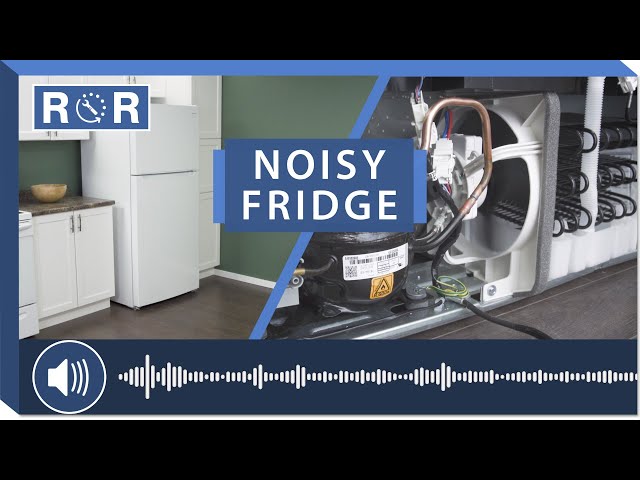
Youtube Video:
Quick Wiring Specifications & Terminal Guide
| Component / Circuit | Standard Wire Gauge | Recommended Protection |
|---|---|---|
| Control & Trigger Signals | 18 – 20 AWG | 5A – 7.5A Inline Fuse |
| Standard Auxiliary Load | 14 – 16 AWG | 15A – 20A Circuit Breaker |
| Main Power Feed / Supply | 10 – 12 AWG | 30A – 40A Heavy-Duty Relay |
Images References
Looking for more diagnostic guides? Explore our complete Refrigerator Problems 4 section for step-by-step troubleshooting solutions.
