
Introduction
Hearing a bubbling sound coming from your refrigerator can be concerning, but it’s often a sign of normal operation. Refrigerators use refrigerant to cool down, and this bubbling sound is usually the refrigerant circulating through the system. However, persistent or unusually loud bubbling could indicate a problem. Addressing this promptly can prevent potential cooling issues and ensure your food stays fresh. It’s especially important if you notice your fridge isn’t cooling as efficiently as it used to. While not always urgent, understanding the cause of the bubbling is key to maintaining your appliance.
💡 Technical Key Takeaways:
- Core Focus: Diagnostic schematic and terminal connection layout for Refrigerator Bubbling Sound.
- Target Scope: Field technicians, automotive DIYers, and residential/commercial electricians.
- Safety Rule: Always disconnect the primary power source/battery terminal and verify zero voltage with a multimeter before touching wires.
Common Causes of Refrigerator Bubbling Sound
Here are some of the most common reasons why you might hear a bubbling sound in your refrigerator:. For more related activities, check out our My Fridge Is Not Making Any Sound.
- Normal Refrigerant Flow: Refrigerant circulating through the cooling coils naturally makes bubbling sounds. This is usually most noticeable when the compressor kicks on or off.
- New Refrigerator Start-Up: A brand-new refrigerator might make more pronounced bubbling noises during its initial operation as the refrigerant system stabilizes.
- Refrigerator Defrost Cycle: During the defrost cycle, the refrigerator melts frost from the evaporator coils, which can cause a bubbling or gurgling sound.
- Low Refrigerant Level: While less common, low refrigerant levels can cause excessive bubbling sounds as the compressor struggles to circulate the remaining refrigerant.
- Air in the Refrigerant Lines: Air trapped within the refrigerant lines can create bubbling and gurgling noises. This is rare, but can happen after repairs.
- Icemaker Issues: If your refrigerator has an icemaker, the sound of water filling the ice mold or being released as ice can sometimes be misinterpreted as bubbling.
- Drainage Issues: A clogged drain line can cause water to accumulate, leading to gurgling or bubbling noises near the bottom of the fridge.
- Expansion Valve: The expansion valve regulates the flow of refrigerant. It may make bubbling sounds when it expands and decompresses the refrigerant.
Symptoms Checklist
Use this checklist to help determine the cause of the bubbling sound:
- Is the bubbling sound constant, or does it only occur at certain times?
- Is the refrigerator cooling properly?
- Are there any signs of frost buildup in the freezer?
- Is there any water leaking inside or outside the refrigerator?
- Does the sound seem to be coming from the back, bottom, or top of the refrigerator?
- Is the sound louder than usual?
How to Fix Refrigerator Bubbling Sound Step-by-Step Guide
Follow these steps to troubleshoot the bubbling sound:
- Listen Carefully: Pinpoint the exact location of the sound. Is it coming from the back, bottom, or inside the fridge?
- Check the Refrigerator Temperature: Ensure the refrigerator is set to the correct temperature (typically between 37-40F or 3-4C) and the freezer to 0F or -18C. Use a thermometer to verify.
- Inspect the Back of the Refrigerator: Look for the condenser coils at the back. Make sure they are clean and free of dust. Use a vacuum cleaner with a brush attachment to gently clean them.
- Check the Drain Pan: Locate the drain pan (usually at the bottom rear of the refrigerator) and make sure it’s not overflowing. Empty it if necessary.
- Inspect the Door Seals: Ensure the door seals are clean and sealing tightly. A loose seal can cause the refrigerator to work harder and make more noise. Clean with warm soapy water.
- Defrost the Refrigerator: If there’s excessive frost buildup in the freezer, manually defrost the refrigerator. Turn it off, unplug it, and leave the door open for several hours until the frost melts.
- Check the Icemaker: If your refrigerator has an icemaker, make sure it’s functioning correctly. Listen for any unusual noises from the icemaker itself.
- Check the Water Line: Inspect the water line connected to the refrigerator for any leaks or kinks.
- Level the Refrigerator: An uneven refrigerator can cause the compressor to work harder. Use a level to make sure the refrigerator is properly leveled. Adjust the feet at the bottom as needed.
- Wait and Listen: After completing these steps, plug the refrigerator back in and allow it to run for a few hours. Listen to see if the bubbling sound diminishes or disappears.
- Restart the Refrigerator: Turn off the refrigerator and unplug it for at least 30 minutes. Then plug it back in. This can sometimes reset the system and resolve minor issues.
Fix the Issue Without Buying Parts
Many times, you can resolve the bubbling sound without replacing any parts:
- Regular Cleaning: Keep the condenser coils clean to ensure proper airflow.
- Correct Temperature Settings: Ensure the refrigerator and freezer are set to the recommended temperatures.
- Proper Loading: Avoid overpacking the refrigerator, as this can restrict airflow and cause the compressor to work harder.
- Door Seal Maintenance: Regularly clean and inspect the door seals to maintain a tight seal.
When Replacement Might Be Necessary
In rare cases, the bubbling sound could indicate a more serious problem, such as a refrigerant leak or a faulty compressor. If the bubbling is excessive and the refrigerator is not cooling properly, you may need to consult a qualified appliance repair technician. Refrigerant leaks require specialized tools and expertise to repair, usually costing $150 – $400. A faulty compressor is a major repair, often costing $300 – $600. Common failing parts include the compressor, evaporator fan motor, and defrost timer.
Safety Warning
- Always unplug the refrigerator before performing any maintenance or repairs.
- Avoid touching any electrical components with wet hands.
- If you suspect a refrigerant leak, ventilate the area and avoid direct contact with the refrigerant.
- Do not attempt to repair the sealed refrigerant system yourself. This requires specialized equipment and training.
Tools You May Need
- Screwdrivers (Phillips and flathead)
- Vacuum cleaner with brush attachment
- Level
- Thermometer
- Warm soapy water and a cloth
FAQ
Here are some frequently asked questions about refrigerator bubbling sounds:
-
Q: Is a bubbling sound always a bad sign?
A: Not necessarily. It’s often a normal part of the refrigerator’s operation, especially during the defrost cycle or when the compressor starts. -
Q: How do I know if the bubbling sound is a problem?
A: If the sound is excessively loud or constant, and the refrigerator is not cooling properly, it could indicate a problem. -
Q: Can I fix a refrigerant leak myself?
A: No. Refrigerant leaks require specialized tools and training and should be handled by a qualified technician. -
Q: Why is my refrigerator making a bubbling sound even after I cleaned it?
A: Cleaning primarily addresses airflow issues. If the bubbling persists after cleaning, it could be a refrigerant or component problem requiring professional attention.
Conclusion
Hearing a bubbling sound from your refrigerator doesn’t always mean disaster! Often, it’s a simple issue you can resolve yourself with a few basic checks and cleaning. Take your time, follow these steps, and see if you can get your fridge back to normal. If the problem persists, don’t hesitate to call a qualified appliance repair technician. It’s always better to be safe than sorry when dealing with your refrigerator, as it plays a vital role in keeping your food fresh and safe!
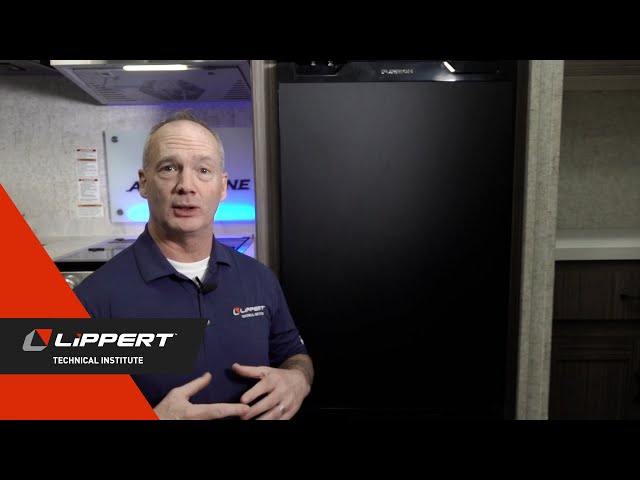
Youtube Video:
Quick Wiring Specifications & Terminal Guide
| Component / Circuit | Standard Wire Gauge | Recommended Protection |
|---|---|---|
| Control & Trigger Signals | 18 – 20 AWG | 5A – 7.5A Inline Fuse |
| Standard Auxiliary Load | 14 – 16 AWG | 15A – 20A Circuit Breaker |
| Main Power Feed / Supply | 10 – 12 AWG | 30A – 40A Heavy-Duty Relay |
Images References
Looking for more diagnostic guides? Explore our complete Refrigerator Problems 4 section for step-by-step troubleshooting solutions.
