
Introduction
Is your refrigerator making noises that have you scratching your head? Don’t panic! Most refrigerators make some sounds during their normal operation. Understanding what’s considered “normal fridge noises” versus a sign of a problem is key. Well help you identify if those gurgles, hums, and clicks are just part of the fridge’s daily routine, or if they indicate a potential issue that needs attention. Ignoring unusual or excessively loud sounds can lead to bigger problems down the road, potentially shortening the lifespan of your appliance or even leading to food spoilage. Let’s investigate those sounds!
💡 Technical Key Takeaways:
- Core Focus: Diagnostic schematic and terminal connection layout for Normal Fridge Noises.
- Target Scope: Field technicians, automotive DIYers, and residential/commercial electricians.
- Safety Rule: Always disconnect the primary power source/battery terminal and verify zero voltage with a multimeter before touching wires.
Common Causes of Normal Fridge Noises
Here are some of the most common reasons why your fridge might be making noise:
- Compressor Hum: This is the heart of your fridge and makes a humming or buzzing sound as it runs to keep things cool.
- Fan Motors: The condenser fan and evaporator fan circulate air. These fans can produce a whirring sound.
- Automatic Defrost Cycle: During defrost, you might hear sizzling, popping, or gurgling as ice melts.
- Water Valve Operation: If you have an ice maker or water dispenser, the water valve can make a buzzing or clicking sound when it opens and closes.
- Ice Maker: The ice maker dropping ice into the bin can be noisy, with clunking and rattling sounds.
- Expansion and Contraction: The fridge’s components expand and contract slightly as the temperature changes, which can cause ticking or popping sounds.
- Refrigerant Flow: You might hear gurgling or hissing as the refrigerant circulates through the coils.
- Leveling Issues: An unlevel fridge can cause vibrations and rattling.
Symptoms Checklist
Use this checklist to help determine if the noises you’re hearing are normal or potentially problematic:
- Consistent Humming: A low, steady hum that doesn’t change much is usually normal.
- Periodic Gurgling: Gurgling sounds that happen occasionally, especially after the defrost cycle, are often normal.
- Clicking On/Off: A click when the compressor starts or stops is typical.
- Loud Buzzing/Grinding: A loud buzzing or grinding sound is usually not normal.
- Excessive Rattling: Constant rattling or vibration can indicate a problem.
- Increased Noise Level: A sudden increase in the overall noise level of your fridge.
- Water Leaks: Noises accompanied by water leaks should be investigated.
- Food Spoilage: If your food is spoiling faster than usual, it might be related to a fridge malfunction causing unusual noises.
How to Fix Normal Fridge Noises Step-by-Step Guide
- Listen Carefully: Pinpoint the location of the noise. Is it coming from the back, bottom, or inside?
- Check the Level: Use a level to ensure your fridge is level from side to side and front to back. Adjust the leveling feet if necessary.
- Tighten Screws: Check for loose screws on the back panel, inside, and around the base. Tighten any you find.
- Clean the Condenser Coils: Located at the back or bottom of the fridge, these coils can accumulate dust and debris, causing the compressor to work harder and make more noise. Unplug the fridge and use a vacuum cleaner with a brush attachment to clean the coils.
- Inspect the Condenser Fan: Check the condenser fan (near the compressor) for obstructions. Remove any debris that might be blocking the fan blades.
- Check the Evaporator Fan: Open the freezer and listen for the evaporator fan. If it’s making noise, check for ice buildup or obstructions.
- Defrost the Fridge: If you suspect ice buildup is causing the noise, manually defrost the fridge (unplug it and leave the door open for several hours).
- Inspect the Water Line: If you have an ice maker or water dispenser, check the water line for kinks or obstructions.
- Check the Drain Pan: The drain pan (usually located under the fridge) can sometimes rattle if it’s not properly seated. Make sure it’s securely in place.
- Ensure Proper Airflow: Make sure that items inside the fridge aren’t blocking the vents, restricting airflow.
- Check the Ice Maker: Ensure nothing is stuck in the ice maker mechanism.
- Isolate and Dampen: Identify if anything is vibrating against the fridge (e.g. a cabinet, pipe) and try putting a piece of foam between surfaces.
- Listen to Similar Fridge Models: If possible, listen to similar refrigerator models in appliance stores or friend’s homes to compare noises.
Fix the Issue Without Buying Parts
Many “normal fridge noises” can be resolved without spending any money. Here are a few things to try:. For more related activities, check out our No Frost Fridge Leaking Water.
- Cleaning: Regularly clean the condenser coils and interior of the fridge.
- Resetting: Unplug the fridge for 30 minutes to reset the compressor and defrost system.
- Maintenance: Wipe down the door seals to ensure a proper seal.
- Inspection: Regularly inspect the fridge for ice buildup or other obstructions.
- Leveling: Make sure the appliance is properly leveled to prevent vibrations.
When Replacement Might Be Necessary
If you’ve tried all the troubleshooting steps and the noises persist, or if your fridge is significantly impacting your quality of life, replacement might be necessary.Keep in mind that certain refrigerators that are considered high end may require specialized support.Replacing the compressor itself typically costs between $300 and $700 (USD). Fan motors typically cost between $100 and $300 (USD) to replace. A complete fridge replacement will depend on brand and style.
Safety Warning
- Always unplug the refrigerator before performing any maintenance or repairs.
- Avoid working on electrical components if you are not comfortable with electrical work. Consult a qualified technician.
- Be careful when handling sharp objects, such as screwdrivers and vacuum cleaner attachments.
- Dry your hands thoroughly before touching any electrical components.
- If in doubt, always consult a qualified appliance repair technician.
Tools You May Need
- Screwdriver (Phillips head and flat head)
- Level
- Vacuum cleaner with brush attachment
- Wrench (for adjusting leveling feet)
- Gloves
FAQ
Here are some frequently asked questions about fridge noises:
- Q: Why is my fridge making a loud buzzing sound? A: This could be a problem with the compressor, condenser fan, or evaporator fan. Check for obstructions and clean the coils.
- Q: Why is my fridge gurgling? A: Gurgling sounds are often normal and caused by refrigerant flowing through the coils or water draining during the defrost cycle.
- Q: My ice maker is making a loud clunking noise. Is that normal? A: Yes, this is usually the sound of ice being released from the ice maker and dropping into the bin.
- Q: How often should I clean the condenser coils? A: You should clean the condenser coils at least twice a year, or more often if you have pets or live in a dusty environment.
- Q: The fridge makes a pop or crack sound when running, should I be concerned? A: Small pops and cracks are normal sounds of expansion and contraction and generally nothing to be worried about.
Conclusion
Understanding what constitutes normal fridge noises can save you time, money, and unnecessary stress. By following these simple troubleshooting steps, you can often resolve minor noise issues yourself. Remember to always prioritize safety and consult a qualified technician if you’re unsure about any aspect of the repair. With a little detective work, you can keep your fridge running quietly and efficiently for years to come. Before calling for professional help, exhaust your DIY options!
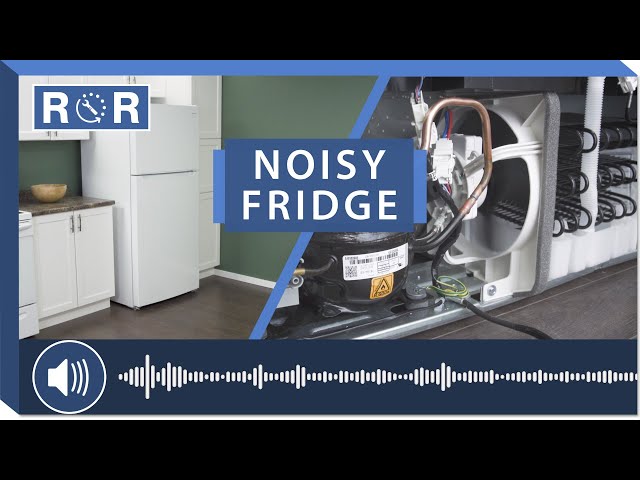
Youtube Video:
Quick Wiring Specifications & Terminal Guide
| Component / Circuit | Standard Wire Gauge | Recommended Protection |
|---|---|---|
| Control & Trigger Signals | 18 – 20 AWG | 5A – 7.5A Inline Fuse |
| Standard Auxiliary Load | 14 – 16 AWG | 15A – 20A Circuit Breaker |
| Main Power Feed / Supply | 10 – 12 AWG | 30A – 40A Heavy-Duty Relay |
Images References
Looking for more diagnostic guides? Explore our complete Refrigerator Problems 4 section for step-by-step troubleshooting solutions.
