
Introduction
A refrigerator that isn’t cold enough in your RV is a serious problem. Warm food can spoil quickly, leading to wasted groceries and potential health risks. This issue is especially common during hot weather or when the refrigerator is heavily loaded. Addressing the problem quickly is essential to ensure your food stays safe and your RV trip remains enjoyable.
💡 Technical Key Takeaways:
- Core Focus: Diagnostic schematic and terminal connection layout for Norcold Rv Refrigerator Freezer Not Cold Enough.
- Target Scope: Field technicians, automotive DIYers, and residential/commercial electricians.
- Safety Rule: Always disconnect the primary power source/battery terminal and verify zero voltage with a multimeter before touching wires.
Common Causes of Norcold RV Refrigerator Freezer Not Cold Enough
Here are some potential reasons why your Norcold RV refrigerator isn’t cooling properly:
- Incorrect Temperature Setting: The thermostat might be set too high, or the controls may be malfunctioning.
- Restricted Airflow: Overcrowding the refrigerator can block air circulation, preventing proper cooling.
- Dirty Condenser Coils: Dust and debris on the coils reduce their ability to dissipate heat.
- Poor Ventilation: Lack of proper airflow around the back of the refrigerator can hinder cooling.
- Damaged Door Seals: Worn or cracked seals allow warm air to leak into the refrigerator.
- Partially Blocked Vent: Insects can build nests in vents and cause blockages.
- Incorrect Leveling: An RV refrigerator needs to be reasonably level to function correctly.
- Propane Issues: If running on propane, a low gas supply or a faulty regulator can affect performance.
- 12V DC Power Problems: Insufficient power to the control board can hinder cooling.
Symptoms Checklist
Check if you experience any of these signs:
- The refrigerator feels warm to the touch.
- Food is not as cold as it should be.
- Ice cream is soft or melting.
- The freezer temperature is above freezing (32F or 0C).
- The refrigerator cycles on and off frequently.
- You hear unusual noises coming from the refrigerator.
- Condensation is building up inside the refrigerator.
How to Fix Norcold RV Refrigerator Freezer Not Cold Enough Step-by-Step Guide
Follow these steps to troubleshoot your Norcold RV refrigerator:
- Check the Temperature Setting: Ensure the thermostat is set to the desired cooling level. Lower the setting to make it colder, then check the temperature again in 2 hours.
- Clean the Condenser Coils: Locate the coils (usually on the back of the refrigerator) and use a brush or vacuum cleaner to remove any dust or debris.
- Improve Airflow Inside the Refrigerator: Avoid overcrowding the shelves. Leave space between items to allow air to circulate freely.
- Inspect and Clean Door Seals: Examine the seals around the refrigerator and freezer doors for cracks or damage. Clean them with warm, soapy water.
- Check Ventilation Around the Refrigerator: Make sure there’s adequate space around the back and sides of the refrigerator for proper ventilation. Remove any obstructions.
- Ensure Proper Leveling: Use a level to check if the RV refrigerator is level. Adjust the RV’s leveling jacks if necessary.
- Verify Propane Supply (If Applicable): If running on propane, make sure the tank is full and the regulator is functioning correctly. Check other propane appliances to confirm gas flow.
- Check 12V DC Power (If Applicable): Ensure your RVs batteries are charged and providing adequate power to the refrigerator’s control board. Check connections to the battery.
- Inspect the Vents: Examine the vent openings on the outside of the RV for any blockages, such as insect nests. Clear any obstructions.
- Defrost the Refrigerator: If there’s excessive frost buildup in the freezer, defrost the refrigerator completely.
- Reset the Refrigerator: Turn the refrigerator off for several hours, then turn it back on. This can sometimes reset the system and resolve minor issues.
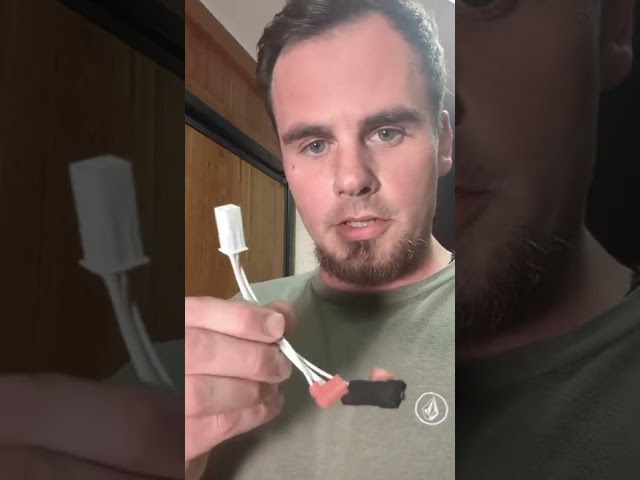
- Check the Thermistor: The thermistor is a sensor that measures the temperature inside the refrigerator. It’s usually located near the fins on the back wall. Ensure it’s properly connected and not damaged.
Fix the Issue Without Buying Parts
Here are some free methods to try before considering parts replacement:
- Reset: Turn the refrigerator off for 24 hours, then back on.
- Cleaning: Regularly clean the condenser coils and door seals.
- Recalibration: If possible, consult the owner’s manual for any recalibration procedures.
- Inspection Tips: Regularly inspect the vents, door seals, and internal components for signs of damage or wear.
- Maintenance Basics: Ensure proper ventilation and avoid overloading the refrigerator.
When Replacement Might Be Necessary
If the above steps don’t solve the problem, and you’ve ruled out all other possibilities, a failing cooling unit, control board, or heating element might be the culprit. Replacing a Norcold refrigerator can cost between $800 and $2500, depending on the model. Common failing parts include the cooling unit (due to leaks), control boards (due to electrical surges), and heating elements (burn out over time). For more related activities, check out our My Fridge Is Not Making Any Sound.
Safety Warning
- Always unplug the refrigerator from the power source before performing any maintenance or repairs.
- Avoid working on the refrigerator if the floor is wet.
- If you suspect a propane leak, turn off the propane supply immediately and ventilate the area.
- If you’re not comfortable working with electrical components, consult a qualified technician.
Tools You May Need
- Screwdrivers (Phillips and flathead)
- Brush or vacuum cleaner
- Adjustable wrench
- Multimeter (for testing electrical components)
- Level
FAQ
Here are some frequently asked questions about Norcold RV refrigerators:
- Q: Why is my refrigerator cold on top but not on the bottom? A: This is often caused by poor air circulation. Ensure proper airflow by avoiding overcrowding the shelves.
- Q: How often should I clean the condenser coils? A: It’s recommended to clean the coils at least twice a year, or more frequently if you’re in a dusty environment.
- Q: How can I check if my door seals are bad? A: Close the door on a dollar bill. If you can easily pull the bill out, the seal is likely worn.
- Q: What should I do if I smell propane? A: Immediately turn off the propane supply, ventilate the area, and contact a qualified technician.
- Q: What temperature should my RV refrigerator be? A: The ideal temperature is between 34F and 40F (1C and 4C).
Conclusion
Troubleshooting a Norcold RV refrigerator that isn’t cooling can seem daunting, but with a systematic approach, you can often identify and resolve the issue yourself. By following the steps outlined in this guide, you can potentially save money and time. If you’ve exhausted all DIY options and the problem persists, it’s best to consult a qualified RV technician for professional assistance.
Youtube Video:
Quick Wiring Specifications & Terminal Guide
| Component / Circuit | Standard Wire Gauge | Recommended Protection |
|---|---|---|
| Control & Trigger Signals | 18 – 20 AWG | 5A – 7.5A Inline Fuse |
| Standard Auxiliary Load | 14 – 16 AWG | 15A – 20A Circuit Breaker |
| Main Power Feed / Supply | 10 – 12 AWG | 30A – 40A Heavy-Duty Relay |
Images References
Looking for more diagnostic guides? Explore our complete Refrigerator Problems 4 section for step-by-step troubleshooting solutions.
