
Introduction
A refrigerator that isn’t cooling properly can quickly spoil your food and ruin a camping trip. When your Norcold RV fridge isn’t getting cold, it’s a serious issue that needs immediate attention. Nobody wants their perishable groceries going bad while they’re out on the road. This guide will walk you through the common causes and provide a clear, step-by-step approach to troubleshooting the problem.
💡 Technical Key Takeaways:
- Core Focus: Diagnostic schematic and terminal connection layout for Norcold Rv Fridge Not Getting Cold.
- Target Scope: Field technicians, automotive DIYers, and residential/commercial electricians.
- Safety Rule: Always disconnect the primary power source/battery terminal and verify zero voltage with a multimeter before touching wires.
Common Causes of Norcold RV Fridge Not Getting Cold
Here are some frequent reasons why your Norcold RV fridge might not be cooling effectively:
- Incorrect Power Source: The fridge isn’t set to the correct power source (AC, DC, or propane).
- Blocked Ventilation: Obstructions around the fridge prevent proper airflow.
- Leveling Issues: RV is not level, affecting the fridge’s cooling cycle.
- Dirty Burner Assembly (Propane Mode): A clogged burner reduces flame efficiency.
- Faulty Thermostat: The thermostat isn’t accurately sensing the temperature.
- Damaged Cooling Unit: The cooling unit itself is failing or has a leak.
- Door Seal Problems: A worn or damaged door seal lets cold air escape.
- Incorrect Temperature Setting: The temperature setting is too high for optimal cooling.
- Overloaded Fridge: Overpacking can restrict airflow inside the fridge.
- Power Supply Issues: Low voltage or inadequate power supply from the RV’s electrical system.
Symptoms Checklist
Use this checklist to identify the problem accurately:
- Fridge feels warm or only slightly cool.
- Food is spoiling faster than usual.
- No sounds of the cooling unit running (no humming or clicking).
- Error codes displayed on the fridge’s control panel.
- Condensation buildup inside the fridge.
- Burner doesn’t ignite in propane mode.
- Ammonia smell (a sign of a cooling unit leak be cautious and ventilate the area if you smell this).
How to Fix Norcold RV Fridge Not Getting Cold Step-by-Step Guide
Follow these steps to troubleshoot your Norcold RV fridge:
- Check the Power Source: Make sure the fridge is set to the appropriate power source (AC, DC, or propane) and that the source is working. Test your AC outlet, DC power, and propane supply.
- Inspect Ventilation: Clear any obstructions around the fridge’s vents on the outside of your RV. Make sure these vents are free and clear to allow air circulation.
- Level Your RV: Ensure your RV is level. Use a leveling tool to check, as even slight angles can affect the fridge’s performance.
- Examine the Door Seal: Check the door seal for cracks, tears, or debris. Clean the seal with a damp cloth to remove any buildup.
- Adjust Temperature Settings: Verify that the temperature setting is appropriate. Try setting it to a colder setting to see if that helps.
- Defrost the Fridge: If there is a buildup of ice, defrost the fridge completely. Turn it off and let the ice melt, then restart it.
- Clean the Burner Assembly (Propane Mode Only): If using propane, carefully clean the burner assembly. Use a small brush or compressed air to remove any debris.
- Check the Thermostat: Locate the thermostat (usually near the control panel) and visually inspect it for any signs of damage.
- Reduce the Load: Avoid overpacking the fridge. Make sure there is enough space between items for air to circulate freely.
- Check the Fuse/Breaker: Verify the fuse or breaker for the fridge is not tripped or blown. Replace if necessary.
- Inspect the Wiring: Check the wiring connections to the fridge for any loose or corroded connections.
- Reset the Fridge: Turn off the fridge completely for several hours, then turn it back on. This can sometimes reset the system.
- Inspect the Cooling Unit (Advanced): Visually inspect the cooling unit for any signs of leakage or corrosion. Warning: Only proceed if comfortable and familiar with the fridge’s components. If any signs of leak or damage are present, have a technician inspect it.
Fix the Issue Without Buying Parts
Before resorting to buying new parts, try these free methods:
- Reset the Fridge: Unplug the fridge or turn off its breaker for 30 minutes to reset the system.
- Clean the Vents: Clear any dust or debris from the vents with a brush or vacuum.
- Ensure Proper Leveling: Use leveling blocks to make sure your RV is perfectly level.
- Inspect and Clean the Door Seal: Wipe down the door seal with a damp cloth to remove any grime.
- Maintenance Basics: Regularly defrost the fridge and clean the interior to ensure optimal performance.
When Replacement Might Be Necessary
If you’ve tried all the troubleshooting steps and your fridge still isn’t cooling, the cooling unit might be failing. Replacement can be expensive, ranging from $500 to $1500, depending on the model and labor costs. Other commonly failing parts include the thermostat, control board, or heating element.
Safety Warning
- Always disconnect the power supply (unplug or switch off the breaker) before working on the fridge.
- Avoid working on electrical components near wet surfaces.
- Be cautious when handling propane lines. If you smell gas, ventilate the area immediately and contact a professional.
- If you suspect a cooling unit leak, ventilate the area and avoid direct contact with the fluid.
Tools You May Need
- Screwdrivers (Phillips and flathead)
- Multimeter
- Level
- Brush or vacuum for cleaning vents
- Wrench
- Socket set
FAQ
Q: Why does my fridge work on AC but not on propane?
A: This likely indicates a problem with the propane burner assembly or the propane supply line. Check for blockages or leaks.
Q: How long should it take for my fridge to cool down after starting it?
A: It typically takes 4-6 hours for a Norcold RV fridge to cool down to a safe operating temperature.
Q: What does it mean when the check light comes on?
A: The “check” light indicates a fault. Consult your owner’s manual to identify the specific error code and its meaning.
Q: Can I use my RV fridge while driving?
A: Yes, you can usually operate your RV fridge while driving using propane or DC power (if available and correctly wired).
Conclusion
Troubleshooting a Norcold RV fridge that’s not cooling can seem daunting, but by following these steps, you can diagnose and fix many common issues. Always prioritize safety. If you’re uncomfortable working on the fridge yourself, don’t hesitate to contact a qualified RV technician. With a little patience, you can get your fridge running smoothly again and enjoy your camping trips without worrying about spoiled food!
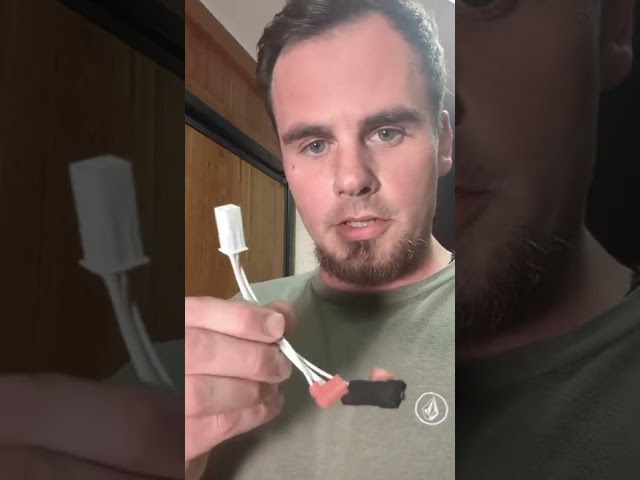
Youtube Video:
Quick Wiring Specifications & Terminal Guide
| Component / Circuit | Standard Wire Gauge | Recommended Protection |
|---|---|---|
| Control & Trigger Signals | 18 – 20 AWG | 5A – 7.5A Inline Fuse |
| Standard Auxiliary Load | 14 – 16 AWG | 15A – 20A Circuit Breaker |
| Main Power Feed / Supply | 10 – 12 AWG | 30A – 40A Heavy-Duty Relay |
Images References
Looking for more diagnostic guides? Explore our complete Refrigerator Problems 4 section for step-by-step troubleshooting solutions.
