
Introduction
A noisy refrigerator evaporator fan can be quite annoying. This fan is located inside the freezer compartment and is responsible for circulating cold air throughout the refrigerator. When it starts making unusual noises like buzzing, clicking, or grinding, it’s a sign something isn’t right. Addressing this promptly is important because a malfunctioning fan can lead to inconsistent temperatures, food spoilage, and eventually, a complete refrigerator breakdown. Don’t worry; many issues can be resolved without calling a repair technician!
💡 Technical Key Takeaways:
- Core Focus: Diagnostic schematic and terminal connection layout for Noisy Refrigerator Evaporator Fan.
- Target Scope: Field technicians, automotive DIYers, and residential/commercial electricians.
- Safety Rule: Always disconnect the primary power source/battery terminal and verify zero voltage with a multimeter before touching wires.
Common Causes of a Noisy Refrigerator Evaporator Fan
Here are some common reasons why your evaporator fan might be noisy:
- Ice Buildup: Ice accumulating around the fan blades can cause them to scrape against the ice.
- Debris Obstruction: Dust, food particles, or other debris can get lodged in the fan blades or motor.
- Worn-Out Motor Bearings: Over time, the bearings in the fan motor can wear out, leading to noise.
- Loose Fan Blades: The fan blades might have become loose on the motor shaft.
- Damaged Fan Blades: A bent or broken fan blade will throw the fan off balance and create noise.
- Fan Housing Interference: The fan might be rubbing against its housing due to misalignment or damage.
- Freezer Overload: Overfilling the freezer can restrict airflow, causing the fan to work harder and potentially become noisy.
- Faulty Defrost System: If the defrost system isn’t working correctly, excessive ice buildup can occur.
Symptoms Checklist
Check for these indicators to accurately identify the issue:
- Loud buzzing, clicking, grinding, or rattling noises coming from the freezer compartment.
- The noise increases or decreases when the refrigerator cycles on or off.
- Uneven cooling in the refrigerator and/or freezer.
- Visible ice buildup around the evaporator fan.
- Food spoiling faster than usual.
- The refrigerator running more frequently than normal.
How to Fix a Noisy Refrigerator Evaporator Fan Step-by-Step Guide
Follow these steps to troubleshoot and fix your noisy evaporator fan:
- Unplug the Refrigerator: Before you start, unplug the refrigerator from the power outlet for safety.
- Locate the Evaporator Fan: The evaporator fan is usually located inside the freezer compartment, behind a panel. Consult your refrigerator’s manual for the exact location.
- Remove the Freezer Shelves and Drawers: Take out all removable shelves and drawers to provide easy access to the back panel.
- Remove the Back Panel: Use a screwdriver to remove the screws holding the back panel in place. Carefully detach the panel. It might be slightly frozen in place; gently pry it loose.
- Inspect for Ice Buildup: Check for any ice buildup around the fan blades and motor. If there’s ice, proceed to Step 6. If not, skip to Step 7.
- Defrost the Ice: Use a hairdryer on a low setting to gently melt the ice. Alternatively, you can leave the refrigerator unplugged with the door open for a few hours to allow the ice to melt naturally. Do not use sharp objects to chip away the ice!
- Inspect the Fan Blades: Once the ice is gone (or if there wasn’t any ice), carefully inspect the fan blades. Look for any signs of damage, bending, or cracks.
- Check for Debris: Remove any dust, food particles, or other debris from the fan blades and motor. Use a small brush or vacuum cleaner attachment.
- Manually Spin the Fan: Gently try spinning the fan blades with your finger. It should spin freely without any resistance. If it’s hard to spin, the motor bearings may be failing.
- Check the Fan Housing: Make sure the fan isn’t rubbing against the fan housing. If it is, try gently adjusting the fan or the housing to create some clearance.
- Check Wiring Connections: Inspect the wiring connected to the fan motor for any loose or damaged connections. Gently tug on the wires to ensure they are secure.
- Reassemble the Refrigerator: Once you’ve inspected and cleaned everything, reattach the back panel, replace the shelves and drawers, and plug the refrigerator back in.
- Monitor the Noise: Listen to see if the noise has disappeared or diminished.
- Observe the Cooling Performance: Ensure the refrigerator and freezer are cooling properly.
Fix the Issue Without Buying Parts
Here are some free methods to try before considering replacements:
- Refrigerator Reset: Unplug the refrigerator for 30 minutes to reset the system. This can sometimes resolve minor glitches.
- Thorough Cleaning: Clean the entire refrigerator interior, including the back panel and surrounding areas.
- Defrost Cycle Check: Ensure the defrost cycle is functioning correctly. If not, consult your refrigerator’s manual for instructions on manually initiating a defrost cycle.
- Proper Loading: Avoid overfilling the freezer, which restricts airflow.
- Regular Maintenance: Periodically clean the refrigerator and check for ice buildup.
When Replacement Might Be Necessary
If the noise persists after trying all the troubleshooting steps above, the evaporator fan motor might be faulty. Replacement is usually necessary if the motor bearings are worn out or the motor is damaged. A replacement evaporator fan motor typically costs between $50 and $150 USD, depending on the refrigerator model. A common part to fail is the fan motor itself, often indicated by difficulty spinning the fan blade manually, or a grinding noise. If the fan blades are damaged, they might also require replacement.
Safety Warning
- Always unplug the refrigerator before performing any troubleshooting or repairs.
- Avoid working on electrical appliances with wet hands or on a wet floor.
- Be careful when using a hairdryer to melt ice. Avoid prolonged exposure to a single area to prevent damage.
- If you are uncomfortable performing any of these steps, consult a qualified appliance repair technician.
Tools You May Need
- Screwdriver (Phillips and flathead)
- Hairdryer
- Small brush or vacuum cleaner attachment
- Gloves
FAQ
Here are some frequently asked questions about noisy refrigerator evaporator fans:
-
Q: Why is my refrigerator fan so loud all of a sudden?
A: It could be due to ice buildup, debris obstruction, or a failing fan motor. -
Q: Can I still use my refrigerator if the fan is noisy?
A: While you can still use it temporarily, it’s best to address the issue promptly to prevent further damage and food spoilage. -
Q: How often should I defrost my refrigerator?
A: Most refrigerators have an automatic defrost cycle. However, if you notice excessive ice buildup, you may need to manually defrost it. -
Q: Is it safe to use a knife to remove ice from the evaporator fan?
A: No, using sharp objects can damage the fan blades and evaporator coils. Use a hairdryer or let the ice melt naturally.
Conclusion
A noisy refrigerator evaporator fan can be a nuisance, but with a little troubleshooting, you can often identify and fix the problem yourself. By following this guide, you can save money and prevent further damage to your refrigerator. If you’ve tried all the steps and the noise persists, don’t hesitate to call a qualified appliance repair technician for assistance.
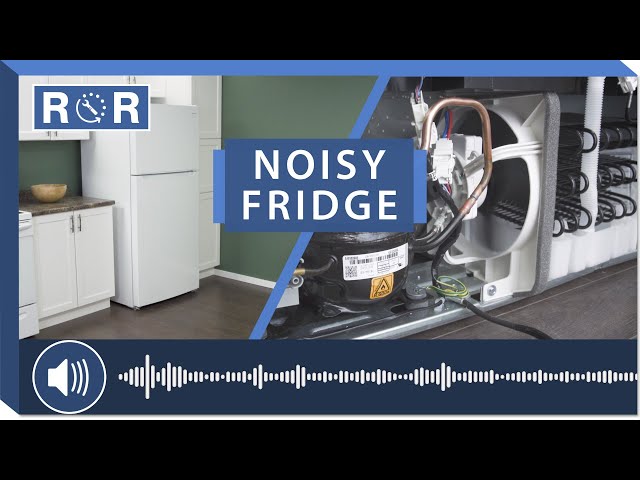
Youtube Video:
Quick Wiring Specifications & Terminal Guide
| Component / Circuit | Standard Wire Gauge | Recommended Protection |
|---|---|---|
| Control & Trigger Signals | 18 – 20 AWG | 5A – 7.5A Inline Fuse |
| Standard Auxiliary Load | 14 – 16 AWG | 15A – 20A Circuit Breaker |
| Main Power Feed / Supply | 10 – 12 AWG | 30A – 40A Heavy-Duty Relay |
Images References
Looking for more diagnostic guides? Explore our complete Refrigerator Problems 4 section for step-by-step troubleshooting solutions.
