
Introduction
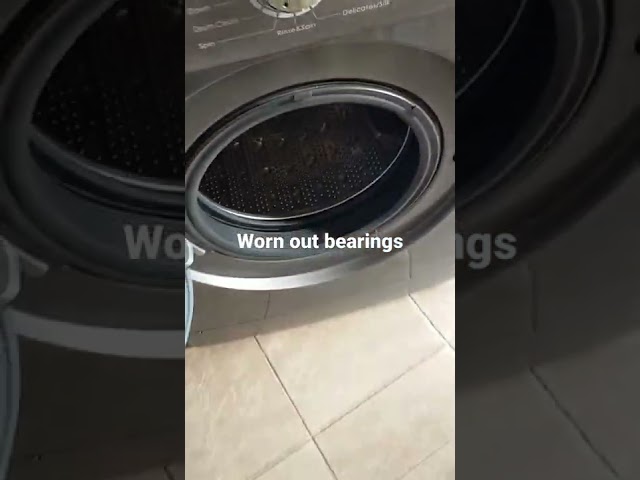
That rumbling, grinding, or screeching sound coming from your washing machine during the spin cycle is a sign of trouble most likely related to worn-out bearings. These bearings are crucial for smooth drum rotation, and when they fail, they create unpleasant (and potentially damaging) noise. Ignoring this problem can lead to more extensive damage to your washing machine, including motor failure or drum damage. It’s important to address this issue promptly to avoid a costly repair bill or even a complete washing machine replacement. Identifying the source of the noise and taking action early can save you time and money.
💡 Technical Key Takeaways:
- Core Focus: Diagnostic schematic and terminal connection layout for Noisy Bearings On Washing Machine.
- Target Scope: Field technicians, automotive DIYers, and residential/commercial electricians.
- Safety Rule: Always disconnect the primary power source/battery terminal and verify zero voltage with a multimeter before touching wires.
Common Causes of Noisy Bearings on Washing Machine
Several factors contribute to noisy bearings. Here are some common culprits:
- Overloading the Washing Machine: Consistently stuffing too many clothes into your washer puts excessive strain on the bearings.
- Hard Water: Mineral buildup from hard water can corrode and damage bearings over time.
- Detergent Overuse: Excessive detergent can create a soapy residue that affects bearing lubrication and performance.
- Age and Wear: Like any moving part, bearings naturally wear out with regular use.
- Seal Failure: The seal that protects the bearings from water can fail, leading to rust and corrosion.
- Unbalanced Loads: Frequent unbalanced loads cause the drum to wobble, putting extra pressure on the bearings.
- Foreign Objects: Small objects like coins or buttons can get lodged near the bearings, causing noise and damage.
- Poor Maintenance: Lack of regular cleaning and maintenance can shorten the lifespan of bearings.
Symptoms Checklist
Here’s how to identify if you’re dealing with noisy washing machine bearings:
- Loud grinding or rumbling noise during the spin cycle.
- A screeching or squealing sound, especially at high speeds.
- The washing machine shaking violently during operation.
- Difficulty turning the drum by hand when the machine is off.
- Visible rust or corrosion around the drum support.
- A burning smell emanating from the washing machine during the spin cycle.
- Excessive vibration even with a balanced load.
How to Fix Noisy Bearings on Washing Machine Step-by-Step Guide
Here’s a step-by-step guide to troubleshooting the issue. Always unplug your washing machine before attempting any repairs.
- Unplug the Washing Machine: Disconnect the washing machine from the power outlet for safety.
- Inspect the Drum: Open the washing machine door and manually rotate the drum. Listen for any grinding or rough sounds.
- Check for Obstructions: Look for any foreign objects lodged between the drum and the outer tub. Remove them carefully.
- Level the Washing Machine: Ensure the washing machine is level using a bubble level. Adjust the feet if necessary.
- Clean the Drum: Run an empty cycle with a washing machine cleaner to remove mineral buildup and detergent residue.
- Check the Drive Pulley: Locate the drive pulley at the back of the machine (you may need to remove an access panel). Inspect it for wear or damage.
- Inspect the Belt: Check the drive belt for cracks, wear, or looseness. A worn belt can contribute to noise and vibration.
- Test the Motor: Although less likely, a failing motor can mimic bearing noise. Listen closely to the motor during operation.
- Tighten Loose Parts: Check for any loose screws or bolts around the drum support and motor mount. Tighten them as needed.
- Run a Test Cycle: After completing the above steps, run a small load to see if the noise has decreased.
- Observe the Spin Cycle: Pay close attention during the spin cycle. Is the noise still present, or has it improved?
- Check the Suspension Rods: If your machine has suspension rods (usually in top-load washers), check that they’re securely attached and not damaged.
- Listen Carefully: Try to pinpoint the exact location of the noise. This will help you determine if it’s truly the bearings or another component.
Fix the Issue Without Buying Parts
Before you consider replacing parts, try these free methods:
- Reset the Washing Machine: Unplug the machine for 15-20 minutes, then plug it back in. This can sometimes reset the control board and resolve minor issues.
- Deep Clean the Washing Machine: Run a cleaning cycle with a washing machine cleaner or a mixture of vinegar and baking soda.
- Recalibrate the Washing Machine: Check your owner’s manual for instructions on how to recalibrate your washing machine.
- Inspect for Imbalances: Make sure you are loading the machine with balanced loads of laundry.
- Regular Maintenance: Wipe down the drum and door seal after each use. Clean the lint filter regularly.
When Replacement Might Be Necessary
If the noise persists after trying the above steps, the bearings themselves may be worn and require replacement. Replacing washing machine bearings is a complex repair that usually requires specialized tools and knowledge. The cost can range from $200 to $500 or more, depending on the machine model and the labor involved. Other parts that commonly fail and contribute to noise include the drum support, spider assembly, and motor. For more related activities, check out our My Washing Machine Making Loud Noise Spins.
Safety Warning
- Always unplug the washing machine before attempting any repairs.
- Avoid working with electricity on wet floors.
- Wear safety glasses to protect your eyes from debris.
- If you are not comfortable performing the repairs yourself, consult a qualified appliance repair technician.
- Never overload the washing machine.
- Be careful when lifting heavy parts.
Tools You May Need
- Screwdrivers (Phillips head and flat head)
- Pliers
- Socket set
- Wrench set
- Bubble level
- Multimeter (for testing electrical components)
- Gloves
- Safety Glasses
FAQ
Here are some frequently asked questions about noisy washing machine bearings:
- Q: How do I know if it’s definitely the bearings and not something else? A: If the noise is a loud grinding or rumbling that gets worse during the spin cycle, it’s likely the bearings.
- Q: Can I still use my washing machine with noisy bearings? A: It’s not recommended. Continuing to use the machine can cause further damage.
- Q: How long do washing machine bearings typically last? A: Bearings typically last 5-10 years, depending on usage and maintenance.
- Q: Is it worth replacing the bearings, or should I just buy a new washing machine? A: It depends on the age and condition of your washing machine. If it’s relatively new and in good condition otherwise, replacing the bearings may be worthwhile.
- Q: Can hard water cause bearing failure? A: Yes, hard water can accelerate corrosion and damage to the bearings.
Conclusion
Dealing with noisy washing machine bearings can be frustrating, but with this guide, you have the knowledge to diagnose and potentially fix the problem yourself! Remember to always prioritize safety and start with the simplest solutions first. If you’re not comfortable performing the repairs yourself, don’t hesitate to call a qualified appliance repair technician. Addressing the issue promptly can save you money in the long run and extend the life of your washing machine.
Youtube Video:
Quick Wiring Specifications & Terminal Guide
| Component / Circuit | Standard Wire Gauge | Recommended Protection |
|---|---|---|
| Control & Trigger Signals | 18 – 20 AWG | 5A – 7.5A Inline Fuse |
| Standard Auxiliary Load | 14 – 16 AWG | 15A – 20A Circuit Breaker |
| Main Power Feed / Supply | 10 – 12 AWG | 30A – 40A Heavy-Duty Relay |
Images References
Looking for more diagnostic guides? Explore our complete Washing Machine Problems 5 section for step-by-step troubleshooting solutions.
