
Introduction
A malfunctioning air conditioning system, especially during hot weather, is a major headache for any homeowner. One common culprit is a Nest thermostat experiencing issues with controlling the AC. This can manifest as the AC not turning on, blowing warm air, or cycling on and off erratically. Addressing these “nest thermostat issues with ac” quickly is essential to prevent discomfort, potential damage to your AC unit, and higher energy bills.
💡 Technical Key Takeaways:
- Core Focus: Diagnostic schematic and terminal connection layout for Nest Thermostat Issues With Ac.
- Target Scope: Field technicians, automotive DIYers, and residential/commercial electricians.
- Safety Rule: Always disconnect the primary power source/battery terminal and verify zero voltage with a multimeter before touching wires.
Common Causes of nest thermostat issues with ac
Several factors can contribute to your Nest thermostat’s AC problems:
- Incorrect Wiring: Loose or incorrectly connected wires between the Nest and your AC unit can prevent proper communication.
- Low Battery: A low battery in the Nest can cause it to malfunction, leading to AC control problems.
- Compatibility Issues: Some older AC systems may not be fully compatible with the Nest thermostat.
- Software Glitches: Occasional software bugs in the Nest operating system can disrupt AC control.
- Wi-Fi Connectivity Problems: A weak or unstable Wi-Fi connection can prevent the Nest from receiving commands or updates, impacting AC operation.
- Incorrect Nest Settings: Incorrectly configured cooling settings or schedules on the Nest can prevent the AC from working as expected.
- Tripped Circuit Breaker: A tripped circuit breaker supplying power to either the Nest or the AC unit can cause it to shut down.
- Clogged Air Filter: A dirty air filter restricts airflow, causing the AC to work harder and potentially triggering the Nest to shut it down as a safety measure.
- Overheating: Direct sunlight or a heat source too close to the thermostat can cause it to malfunction.
Symptoms Checklist
Look out for these signs indicating “nest thermostat issues with ac”:
- AC not turning on at all.
- AC blowing warm air instead of cold air.
- AC cycling on and off rapidly (short cycling).
- Nest display showing an error message related to cooling.
- Nest app not controlling the AC.
- AC running constantly without reaching the set temperature.
- AC running even when the Nest is set to “Off” or “Heat”.
How to Fix nest thermostat issues with ac Step-by-Step Guide
Follow these steps to troubleshoot your Nest thermostat’s AC issues:
- Check the Circuit Breaker: Locate the circuit breaker for your AC unit and ensure it’s not tripped. Reset it if necessary.
- Recharge the Nest: Disconnect the Nest from the wall plate and charge it using a USB cable for at least 30 minutes.
- Restart the Nest: After charging, reconnect the Nest to the wall plate. If it doesn’t restart automatically, press and hold the Nest ring until it turns off and then back on.
- Verify Wi-Fi Connection: Ensure your Nest is connected to a stable Wi-Fi network. Check the Wi-Fi signal strength in the Nest app or on the thermostat itself.
- Check the Wiring: Carefully remove the Nest from the wall plate and inspect the wiring connections. Make sure all wires are securely inserted into the correct terminals and none are loose or damaged. Refer to the Nest wiring diagram for your specific AC system.
- Verify Nest Settings: Double-check the cooling settings on your Nest, including the target temperature, schedule, and any energy-saving features. Make sure the settings are appropriate for your needs.
- Clean the Air Filter: Replace or clean the air filter for your AC unit. A dirty filter can restrict airflow and cause the AC to malfunction.
- Check the Thermostat Location: Ensure the Nest thermostat is not exposed to direct sunlight or other heat sources, which can affect its temperature readings.
- Reset Nest to Factory Settings: As a last resort, try resetting your Nest thermostat to its factory settings. Note: this will erase all your personalized settings, so write them down first if needed. You can usually do this from the Nest device’s settings menu.
- Check Common Wire (C-Wire): Some AC systems require a C-wire for power. If the nest is not getting consistent power, then it could cause issues. Check whether you have the C-wire connected correctly.
- Check for Debris: Turn the AC off and visually inspect the outdoor condenser unit and the indoor evaporator coil for any visible debris, such as leaves, dirt, or grass clippings. Clean if necessary.
Fix the Issue Without Buying Parts
Before considering replacement parts, try these free fixes:
- Reset: Regularly reset your Nest thermostat by disconnecting and reconnecting it.
- Cleaning: Gently clean the Nest’s screen and exterior with a soft, dry cloth.
- Recalibration: Check whether there are any recalibration tips available for your Nest model.
- Inspection Tips: Visually inspect wiring, connections, and the AC unit for obvious issues.
- Maintenance Basics: Clean/replace air filters routinely.
When Replacement Might Be Necessary
If troubleshooting steps fail, the Nest thermostat or the AC unit’s control board might need replacing. Replacing the Nest typically costs between $200 and $300. A failing AC control board can range from $150 to $500, plus installation. Common failing parts include the Nest’s internal battery or the AC unit’s capacitor.
Safety Warning
- Always turn off power to the AC unit at the circuit breaker before working on any electrical components.
- Do not attempt repairs if you are not comfortable working with electricity. Call a qualified technician.
- Avoid working on the AC unit when it’s wet or in damp conditions to prevent electric shock.
- If the system does not behave as expected, cease troubleshooting and call a professional HVAC technician.
Tools You May Need
- Screwdriver set (Phillips and flathead)
- Pliers
- Wire stripper/cutter
- Multimeter (optional, for testing voltage)
- USB charging cable
FAQ
Here are some common questions about “nest thermostat issues with ac”:
- Q: Why is my AC blowing warm air when the Nest is set to cool? A: This could be due to incorrect wiring, a low Nest battery, or a problem with the AC unit itself.
- Q: My Nest keeps saying “No Power.” What should I do? A: Check the circuit breaker, the wiring connections, and consider charging the Nest using a USB cable.
- Q: Can a bad Nest thermostat damage my AC unit? A: While unlikely to directly damage it, a malfunctioning Nest can cause the AC to run inefficiently, potentially shortening its lifespan.
- Q: Is my old AC compatible with Nest? A: You can check Nests compatibility checker to see if your existing AC system can be used with a Nest Thermostat.
Conclusion
Dealing with “nest thermostat issues with ac” can be frustrating, but by following these troubleshooting steps, you can often resolve the problem yourself. Remember to prioritize safety and take your time. If you’re uncomfortable with any of these steps, or if the problem persists, don’t hesitate to call a qualified HVAC technician. It’s better to be safe than sorry when dealing with electrical systems!
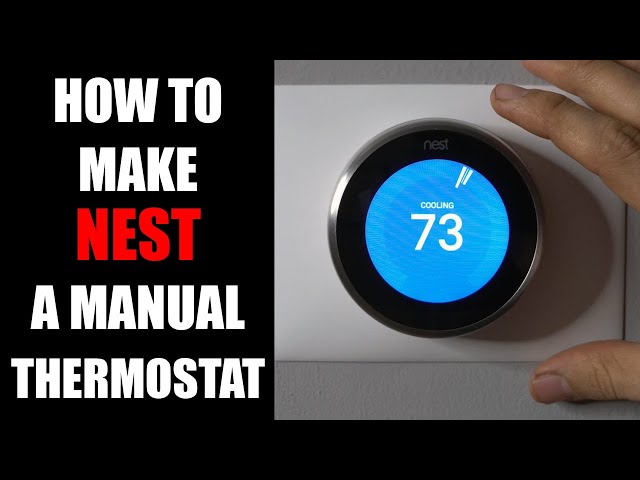
Youtube Video:
Quick Wiring Specifications & Terminal Guide
| Component / Circuit | Standard Wire Gauge | Recommended Protection |
|---|---|---|
| Control & Trigger Signals | 18 – 20 AWG | 5A – 7.5A Inline Fuse |
| Standard Auxiliary Load | 14 – 16 AWG | 15A – 20A Circuit Breaker |
| Main Power Feed / Supply | 10 – 12 AWG | 30A – 40A Heavy-Duty Relay |
Images References
Looking for more diagnostic guides? Explore our complete Air Conditioner Troubleshooting 5 section for step-by-step troubleshooting solutions.
