
Introduction
Is your Nest thermostat refusing to turn on the heat? It’s a frustrating problem, especially during cold weather. A malfunctioning thermostat can leave your home freezing, potentially leading to discomfort, frozen pipes, and higher energy bills down the line. Don’t panic! Many heating issues are simple to fix yourself. This guide will walk you through common causes and easy troubleshooting steps before you call a professional.
💡 Technical Key Takeaways:
- Core Focus: Diagnostic schematic and terminal connection layout for Nest Thermostat Isn T Heating.
- Target Scope: Field technicians, automotive DIYers, and residential/commercial electricians.
- Safety Rule: Always disconnect the primary power source/battery terminal and verify zero voltage with a multimeter before touching wires.
Common Causes of Nest Thermostat Isn’t Heating
Here are some frequent reasons why your Nest thermostat might not be heating:
- Incorrect Settings: The thermostat may be set to “off,” “cool,” or a temperature below the current room temperature.
- Dead or Weak Batteries: Some Nest thermostats rely on batteries for backup power, and if these are low, the heating system might not activate.
- Wi-Fi Connectivity Issues: Your Nest relies on a Wi-Fi connection, and if the connection is lost, it could affect its ability to control the heating system.
- Wiring Problems: Loose or incorrect wiring can disrupt the signal between the thermostat and the heating system.
- Furnace Problems: The issue might not be with the thermostat at all, but rather with the furnace itself (e.g., pilot light is out, gas valve closed).
- Incorrect Thermostat Mode: The system might be set to “Eco” mode, preventing it from reaching your desired temperature.
- Software Glitches: Like any electronic device, your Nest can sometimes experience software glitches that affect its functionality.
- Nest Thermostat Overheating: Direct sunlight can overheat a Nest and affect readings or functioning.
Symptoms Checklist
Look for these indicators to diagnose the problem accurately:
- Thermostat display is on but shows a cold temperature.
- The thermostat screen is blank or unresponsive.
- Heating system doesn’t turn on even after raising the target temperature.
- Error messages displayed on the thermostat screen.
- Nest app shows “offline” or cannot control the thermostat.
- You hear clicking sounds from the thermostat but no heating.
- Heating system turns on briefly and then shuts off.
How to Fix Nest Thermostat Isn’t Heating Step-by-Step Guide
Follow these steps to troubleshoot your Nest thermostat:
- Check the Thermostat Settings: Ensure the thermostat is set to “heat” mode and the target temperature is higher than the current room temperature.
- Inspect the Batteries (if applicable): If your Nest uses batteries, replace them with fresh ones.
- Restart the Thermostat: Go to the Nests settings menu and select “restart.”
- Verify Wi-Fi Connection: Check if your Nest is connected to your home Wi-Fi network. Restart your router if needed.
- Inspect the Wiring: Carefully examine the wiring connections on the back of the thermostat. Make sure all wires are securely connected to the correct terminals. If you are not comfortable doing so, consult a professional.
- Check the Furnace: Go to your furnace. Is the pilot light lit? Is the power switch on? Check for any error codes displayed on the furnace control panel.
- Check the Air Filter: A dirty air filter can restrict airflow and cause the furnace to overheat and shut down. Replace a dirty filter.
- Inspect the Breaker Box: Make sure the circuit breaker for your furnace hasn’t tripped. If it has, reset it.
- Disable “Eco” Mode: Check whether “Eco” mode is active. Eco settings often prevent the heat from going above certain levels.
- Check Sun Protection: Shield thermostat from excessive direct sunlight.
- Run a System Test: Many Nest Thermostats have a system test option in the settings menu. Run this to see if Nest detects any errors.
- Look for Firmware Updates: See if any new updates are available. Keeping firmware up to date can prevent and solve bugs.
Fix the Issue Without Buying Parts
Here are several methods to troubleshoot your Nest thermostat without needing to purchase new components immediately:
- Reset Your Nest Thermostat: Try a factory reset to clear any corrupted settings.
- Clean the Thermostat: Gently dust the thermostat screen and surrounding areas with a soft, dry cloth.
- Recalibrate the Thermostat: If the temperature readings seem inaccurate, recalibrate the thermostat through the settings menu.
- Inspect for Obstructions: Make sure nothing is blocking the thermostat’s airflow, like furniture or curtains.
- Routine Maintenance: Regularly clean the thermostat and replace air filters to prevent heating issues.
When Replacement Might Be Necessary
If you’ve tried all the troubleshooting steps and your Nest thermostat still isn’t heating, replacement might be necessary. Common parts that fail include the internal circuitry, the display screen, or the temperature sensor. A replacement Nest thermostat typically costs between $200 and $300, plus installation fees if you hire a professional.
Safety Warning
- Always turn off the power to your furnace at the breaker box before inspecting any wiring connections.
- If you are not comfortable working with electrical components, consult a qualified HVAC technician.
- Avoid touching any exposed wires or components with wet hands.
- Do not attempt to disassemble the thermostat beyond what is instructed in the user manual.
Tools You May Need
- Screwdriver (Phillips and flathead)
- Flashlight
- Multimeter (for testing voltage)
- New batteries (if applicable)
- Soft, dry cloth
FAQ
Here are some frequently asked questions about Nest thermostat heating problems:
- Q: My Nest thermostat says it’s heating, but the furnace isn’t turning on. What should I do? A: Check the wiring connections between the thermostat and the furnace. Also, inspect the furnace itself for any issues.
- Q: My Nest thermostat keeps losing its Wi-Fi connection. How can I fix this? A: Ensure your Wi-Fi router is functioning correctly and the signal strength is strong near the thermostat. Try moving the router closer or using a Wi-Fi extender.
- Q: My Nest thermostat is displaying an error code. What does it mean? A: Consult the Nest user manual or the Nest support website to look up the error code and find specific troubleshooting steps.
- Q: How often should I replace the batteries in my Nest thermostat? A: Replace the batteries every year, or when the thermostat indicates a low battery level.
- Q: My Nest thermostat is showing the wrong temperature. What can I do? A: Recalibrate the thermostat in the settings menu. Also, make sure the thermostat is not exposed to direct sunlight or drafts.
Conclusion
Troubleshooting a Nest thermostat that isn’t heating can seem daunting, but by following these steps, you can often resolve the issue yourself. Remember to prioritize safety and take your time. If you’ve exhausted all troubleshooting options and your Nest thermostat still isn’t working, it might be time to call a qualified HVAC technician for assistance. By trying these tips, you can save on repair costs and keep your home comfortably warm.
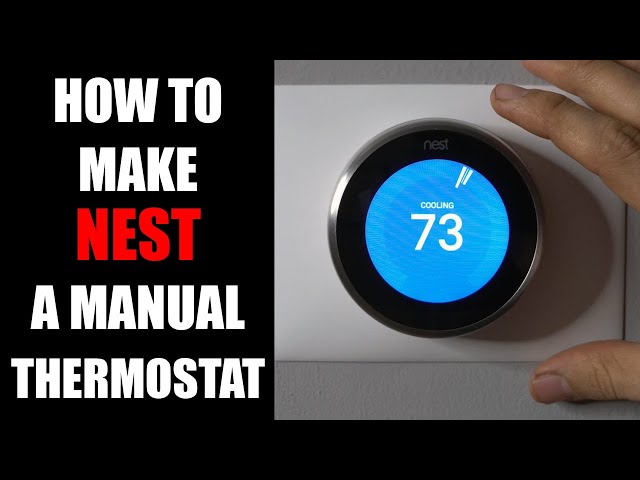
Youtube Video:
Quick Wiring Specifications & Terminal Guide
| Component / Circuit | Standard Wire Gauge | Recommended Protection |
|---|---|---|
| Control & Trigger Signals | 18 – 20 AWG | 5A – 7.5A Inline Fuse |
| Standard Auxiliary Load | 14 – 16 AWG | 15A – 20A Circuit Breaker |
| Main Power Feed / Supply | 10 – 12 AWG | 30A – 40A Heavy-Duty Relay |
Images References
Looking for more diagnostic guides? Explore our complete Air Conditioner Troubleshooting 5 section for step-by-step troubleshooting solutions.
