
Introduction
Is your washing machine stubbornly refusing to fill with water? This is a common and incredibly frustrating issue, often cropping up right when you need to do laundry the most. A washing machine that won’t fill can halt your laundry routine and leave you with dirty clothes piling up. Addressing this promptly can prevent potential damage to your machine and save you from unnecessary expenses. This guide will walk you through simple troubleshooting steps you can take before calling a repair technician.
💡 Technical Key Takeaways:
- Core Focus: Diagnostic schematic and terminal connection layout for My Washer Is Not Getting Water.
- Target Scope: Field technicians, automotive DIYers, and residential/commercial electricians.
- Safety Rule: Always disconnect the primary power source/battery terminal and verify zero voltage with a multimeter before touching wires.
Common Causes of My Washer is not getting water
Here are some of the most frequent reasons why your washer might be refusing to fill:
- Closed Water Supply Valves: The water supply valves behind the washer might be accidentally closed.
- Kinked or Damaged Water Hoses: The hoses that connect the water supply to the washer can become kinked or damaged, restricting water flow.
- Clogged Water Inlet Filters: Small filters located where the water hoses connect to the washer can become clogged with sediment.
- Defective Water Inlet Valve: This valve controls the flow of water into the washer, and if it’s faulty, it might not open.
- Lid Switch Problems: Some washers won’t fill if the lid switch isn’t properly engaged, thinking the lid is open.
- Low Water Pressure: Insufficient water pressure to your home can prevent the washer from filling correctly.
- Timer or Control Board Issues: In some cases, a malfunctioning timer or control board can prevent the water inlet valve from opening.
- Air Lock: Air trapped in the supply hoses can prevent the machine from filling.
Symptoms Checklist
Check these symptoms to confirm if your washer is not getting water:
- The washer starts the cycle, but no water enters the drum.
- You hear a humming or buzzing sound, but no water flows in.
- The washer only fills partially.
- The washer fills very slowly.
- The water smells bad when it enters.
- Error codes related to water supply or fill time are displayed on the control panel.
How to Fix my washer is not getting water Step-by-Step Guide
Follow these steps to diagnose and fix the issue:
- Check the Water Supply Valves: Make sure both the hot and cold water supply valves behind the washer are fully open.
- Inspect the Water Hoses: Look for any kinks, bends, or damage in the water hoses. Straighten any kinks and replace damaged hoses.
-
Clean the Water Inlet Filters:
- Turn off the water supply valves.
- Disconnect the water hoses from the back of the washer.
- Locate the small filter screens inside the hose connections.
- Carefully remove the filters and clean them with a brush under running water.
- Reinstall the filters and reconnect the hoses.
- Check Water Pressure: Connect a hose to the water supply and check the pressure. It should be a steady stream. If the pressure is low, contact your water company.
- Examine the Lid Switch: Ensure the lid is closing properly and engaging the lid switch. Sometimes, the switch can become loose or damaged. Try gently pressing down on the lid where the switch is located to see if that allows water to enter.
- Reset the Washer: Unplug the washer from the power outlet for about 1-2 minutes, then plug it back in. This can sometimes reset the control board and resolve the issue.
- Check for Air Lock: Close the water supply valves. Disconnect the hoses from the washer. Place the hose ends into a bucket. Open the water valves briefly to flush out any air trapped in the hoses.
- Run a Test Cycle: After completing the above steps, run a short test cycle to see if the washer is now filling with water.
- Check the Drain Hose: Make sure the drain hose is properly positioned and not siphoning water out of the washer as it fills. It should be securely attached to the drainpipe.
Fix the Issue Without Buying Parts
Sometimes, you can resolve the problem without replacing any components:
- Resetting the Washer: As mentioned earlier, unplugging the washer can often reset the system.
- Cleaning the Inlet Filters: Regular cleaning of the inlet filters prevents blockages.
- Inspecting Hoses: Routine inspection of hoses ensures they are free of kinks and damage.
- Checking Water Pressure: Periodically checking your home’s water pressure can identify potential issues.
- Running a Cleaning Cycle: Mineral buildup can affect water flow. Run a washer cleaner cycle with vinegar or a commercial washer cleaner.
When Replacement Might Be Necessary
If none of the above steps work, you might need to consider replacing parts. Here are a couple of potential parts to consider:. For more related activities, check out our My Samsung Washing Machine Is Leaking From Underneath.
- Water Inlet Valve: If the valve is faulty, it won’t open to allow water to enter. Estimated cost: $30-$100.
- Lid Switch: If the lid switch is broken, the washer won’t know the lid is closed. Estimated cost: $20-$50.
Safety Warning
Take these precautions when troubleshooting your washing machine:
- Always unplug the washing machine from the power outlet before attempting any repairs.
- Turn off the water supply valves to prevent flooding.
- Be careful when handling water, especially near electrical components.
- Wipe up any spills immediately to avoid slips and falls.
Tools You May Need
Here are some tools you might find helpful:
- Screwdrivers (Phillips and flathead)
- Pliers
- Adjustable wrench
- Bucket
- Old towels
- Small brush
FAQ
Here are some frequently asked questions about washing machines not getting water:
- Q: Why is my new washer not filling with water? A: Check if the shipping bolts have been removed from the back of the washer, and ensure the water supply valves are open.
- Q: My washer fills very slowly. What could be the problem? A: Clogged inlet filters or low water pressure are the most likely culprits.
- Q: How do I know if my water inlet valve is bad? A: Use a multimeter to test the valve for continuity. If there’s no continuity, the valve needs to be replaced.
- Q: Can I fix this myself, or should I call a technician? A: Many of the troubleshooting steps outlined here are simple and can be done by homeowners. If you’re not comfortable with electrical or plumbing work, it’s best to call a technician.
Conclusion
Troubleshooting a washing machine that’s not getting water can seem daunting, but by following these steps, you can often diagnose and fix the problem yourself. Remember to start with the simplest solutions first and work your way up to more complex repairs. Before calling a technician, ensure you’ve exhausted all the possibilities outlined in this guide. You might be surprised at how much you can accomplish on your own!
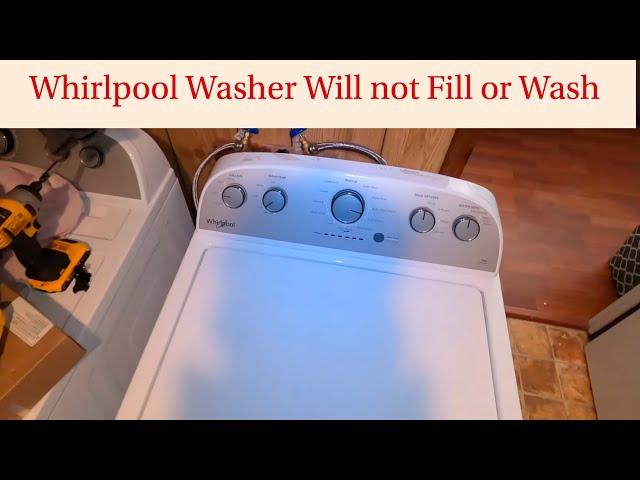
Youtube Video:
Quick Wiring Specifications & Terminal Guide
| Component / Circuit | Standard Wire Gauge | Recommended Protection |
|---|---|---|
| Control & Trigger Signals | 18 – 20 AWG | 5A – 7.5A Inline Fuse |
| Standard Auxiliary Load | 14 – 16 AWG | 15A – 20A Circuit Breaker |
| Main Power Feed / Supply | 10 – 12 AWG | 30A – 40A Heavy-Duty Relay |
Images References
Looking for more diagnostic guides? Explore our complete Washing Machine Problems 4 section for step-by-step troubleshooting solutions.
