
Introduction
Discovering that your stackable washer won’t drain can be a frustrating experience. Not only does it leave your clothes sitting in water, but it can also prevent you from starting another load of laundry. A washer that refuses to drain can lead to musty odors and potentially damage the machine. Addressing this issue quickly is crucial to prevent further complications and get your laundry routine back on track.
💡 Technical Key Takeaways:
- Core Focus: Diagnostic schematic and terminal connection layout for My Stackable Washer Won T Drain.
- Target Scope: Field technicians, automotive DIYers, and residential/commercial electricians.
- Safety Rule: Always disconnect the primary power source/battery terminal and verify zero voltage with a multimeter before touching wires.
Common Causes of My Stackable Washer Won’t Drain
Several factors can prevent your stackable washer from draining properly. Here are some of the most common causes:. For more related activities, check out our Kenmore Washer Not Draining Properly.
- Clogged Drain Hose: A kinked, bent, or blocked drain hose can restrict water flow.
- Clogged Drain Pump Filter: This filter catches lint, debris, and small objects that can clog the drain pump.
- Faulty Drain Pump: If the drain pump is malfunctioning, it might not be able to pump the water out effectively.
- Blocked Drainpipe: The drainpipe where the washer’s hose connects could be clogged.
- Kinked or Blocked Air Admittance Valve (AAV): This valve helps regulate air pressure and could cause draining issues if blocked.
- Overuse of Detergent: Excessive detergent can create suds buildup that interferes with the draining process.
- Lid Switch Malfunction: While less common in front-load stackable units, a faulty lid switch (or door lock) might prevent the drain cycle from initiating.
- Control Panel Issues: Software glitches on the washer’s control board may prevent the drain cycle from running.
Symptoms Checklist
Here are some indicators that your washer isn’t draining properly:
- Standing water in the washer drum after a wash cycle.
- The washer making unusual noises during the drain cycle.
- The washer displaying an error code related to draining issues.
- The drain hose feeling cold or empty when it should be draining.
- Water draining very slowly or intermittently.
How to Fix My Stackable Washer Won’t Drain Step-by-Step Guide
- Unplug the Washer: Always disconnect the power before attempting any repairs.
- Check the Drain Hose: Inspect the entire length of the drain hose for kinks, bends, or obstructions. Straighten any kinks and ensure the hose isn’t crushed.
- Inspect the Drainpipe: Disconnect the drain hose from the drainpipe and check for clogs. You can use a drain snake or a plumber’s snake to clear any blockages.
- Locate the Drain Pump Filter: This is usually located at the bottom front of the washer, behind a small access panel. Consult your owner’s manual for the exact location.
- Prepare for Water Spillage: Place a shallow pan or towels under the access panel to catch any water that may spill out.
- Clean the Drain Pump Filter: Carefully open the access panel and remove the filter. Clean it thoroughly, removing any lint, debris, or small objects.
- Inspect the Drain Pump: With the filter removed, visually inspect the drain pump for any obstructions. You can try gently turning the pump impeller to see if it’s jammed.
- Check the Air Admittance Valve (AAV): Locate the AAV (usually on top or back of the washer). Make sure the valve can move freely and isn’t clogged.
- Reassemble and Test: Reinstall the drain pump filter and close the access panel. Reconnect the drain hose to the drainpipe.
- Run a Rinse/Spin Cycle: Select a rinse/spin cycle on your washer and start it to test if the draining issue is resolved.
- Check for Error Codes: If the problem persists, note any error codes displayed on the control panel. Consult your owner’s manual for their meaning.
- Reduce Detergent Use: Try using less detergent in future loads to minimize suds buildup.
- Check the Washer Level: An unlevel washer can cause draining problems. Use a level to ensure the washer is properly balanced. Adjust the legs if needed.
Fix the Issue Without Buying Parts
Before considering any replacements, try these free methods:
- Reset the Washer: Unplug the washer for a few minutes and then plug it back in. This can sometimes clear minor software glitches.
- Deep Clean the Washer: Run an empty washer cycle with a washer cleaner or a mixture of vinegar and baking soda to remove buildup and odors.
- Regular Maintenance: Clean the drain pump filter regularly (every 1-3 months) to prevent clogs.
When Replacement Might Be Necessary
If you’ve tried all the troubleshooting steps and the washer still won’t drain, the drain pump itself might be faulty and require replacement. A new drain pump can cost anywhere from $50 to $200, depending on the model of your washer. Other parts that could fail, though less common, are the water level sensor or the control board.
Safety Warning
- Always unplug the washer before performing any repairs.
- Be cautious when working with water and electricity to avoid electric shock.
- Wear gloves to protect your hands from dirt and debris.
- Clean up any water spills immediately to prevent slips and falls.
Tools You May Need
- Screwdrivers (Phillips and flathead)
- Pliers
- Shallow pan or towels
- Drain snake or plumber’s snake
- Gloves
- Flashlight
- Level
FAQ
Q: My washer is making a loud buzzing noise but not draining. What could it be?
A: This usually indicates a clogged drain pump. Follow the steps above to clean the drain pump filter.
Q: How often should I clean the drain pump filter?
A: Ideally, you should clean the drain pump filter every 1-3 months, depending on how often you use the washer.
Q: My washer is displaying an error code related to draining. What should I do?
A: Consult your owner’s manual to determine the meaning of the error code. This will help you identify the specific problem.
Q: Can using too much detergent cause draining problems?
A: Yes, excessive detergent can create suds buildup that interferes with the draining process. Use only the recommended amount of detergent.
Conclusion
A stackable washer that won’t drain can be a real headache, but with a bit of patience and these troubleshooting steps, you might be able to fix the problem yourself. Remember to prioritize safety and consult your owner’s manual for specific instructions related to your washer model. If you’ve exhausted all options and the issue persists, it’s best to call a qualified appliance repair technician.
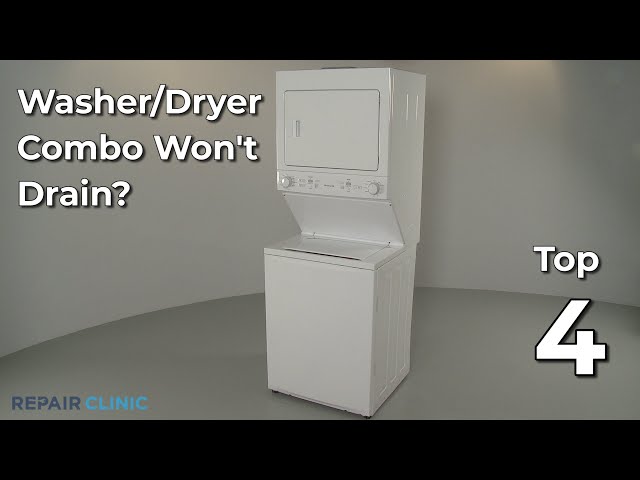
Youtube Video:
Quick Wiring Specifications & Terminal Guide
| Component / Circuit | Standard Wire Gauge | Recommended Protection |
|---|---|---|
| Control & Trigger Signals | 18 – 20 AWG | 5A – 7.5A Inline Fuse |
| Standard Auxiliary Load | 14 – 16 AWG | 15A – 20A Circuit Breaker |
| Main Power Feed / Supply | 10 – 12 AWG | 30A – 40A Heavy-Duty Relay |
Images References
Looking for more diagnostic guides? Explore our complete Washing Machine Problems 4 section for step-by-step troubleshooting solutions.
