
Introduction
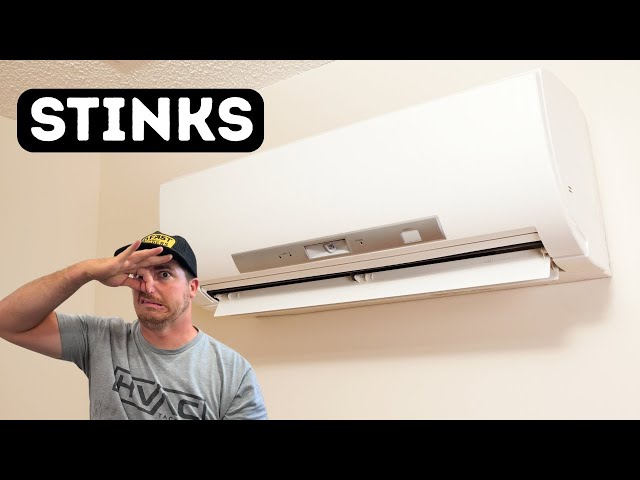
A musty smell coming from your mini-split AC unit is a common problem, indicating mold, mildew, or bacteria growth inside the system. This isn’t just an annoyance; it can affect your indoor air quality and potentially cause health issues, especially for individuals with allergies or respiratory sensitivities. Addressing this problem promptly is important to prevent further contamination and ensure the longevity of your AC unit. It usually happens after the unit has been off for a while, or during periods of high humidity.
💡 Technical Key Takeaways:
- Core Focus: Diagnostic schematic and terminal connection layout for Mini Split Ac Smells Musty.
- Target Scope: Field technicians, automotive DIYers, and residential/commercial electricians.
- Safety Rule: Always disconnect the primary power source/battery terminal and verify zero voltage with a multimeter before touching wires.
Common Causes of mini split ac smells musty
Here are some common reasons why your mini-split AC might be smelling musty:
- Mold and Mildew Growth: Condensation buildup creates a damp environment inside the unit, perfect for mold and mildew to thrive.
- Dirty Air Filters: Accumulated dust and debris in the air filters provide a breeding ground for bacteria and mold.
- Clogged Drain Line: A blocked drain line prevents condensation from properly draining, leading to stagnant water and mold growth.
- Dirty Evaporator Coils: Dust, dirt, and mold can accumulate on the evaporator coils, emitting a musty odor when air passes over them.
- Animal Nests: Small animals, like rodents or insects, may build nests inside the unit, leaving behind droppings and debris that cause smells.
- Improper Installation: Incorrectly installed units may not drain properly, fostering mold and mildew.
- Infrequent Use: When the unit sits idle, moisture can accumulate and encourage mold growth.
- High Humidity: High humidity levels in your home can exacerbate moisture buildup within the AC unit.
Symptoms Checklist
Check if you notice any of these signs:
- A distinct musty or moldy odor emanating from the AC unit, particularly when it’s running.
- Visible mold or mildew growth on the air filters, coils, or drain pan.
- Water stains or dampness around the indoor or outdoor unit.
- Reduced airflow from the AC unit.
- Increased allergy symptoms or respiratory irritation when the AC is running.
How to Fix mini split ac smells musty Step-by-Step Guide
Here’s a step-by-step guide to troubleshooting and fixing a musty-smelling mini-split AC:
- Turn Off the Power: Disconnect the unit from its power source by switching off the breaker. Safety first!
- Remove and Inspect Air Filters: Carefully remove the air filters and check for dirt, dust, and mold.
- Clean or Replace Air Filters: Wash reusable filters with mild soap and water, let them dry completely, and then reinstall. Replace disposable filters with new ones.
- Access the Evaporator Coils: Consult your unit’s manual to locate and access the evaporator coils. This may involve removing the front panel of the indoor unit.
- Clean the Evaporator Coils: Use a soft brush or vacuum with a brush attachment to remove loose dirt and debris.
- Apply Coil Cleaner: Purchase a commercially available AC coil cleaner specifically designed for mini-split systems. Follow the manufacturer’s instructions for application.
- Clean the Drain Line: Locate the drain line (usually a small PVC pipe exiting the unit). Use a wet/dry vacuum or a drain snake to clear any clogs.
- Flush the Drain Pan: Pour a mixture of water and bleach (10:1 ratio) into the drain pan to kill any remaining mold or mildew. Let it sit for 30 minutes, then flush with clean water.
- Inspect for Animal Nests: Carefully check the unit for signs of animal activity, such as nests, droppings, or chewed wires. Remove any debris and seal any entry points.
- Disinfect the Unit’s Exterior: Wipe down the exterior of the indoor and outdoor units with a disinfectant cleaner to eliminate any surface mold or bacteria.
- Dry the Unit Thoroughly: Before reassembling the unit, ensure all components are completely dry to prevent further mold growth.
- Reassemble the Unit: Carefully reassemble the unit, ensuring all parts are properly connected.
- Turn on the Power: Restore power to the unit and test its operation.
- Monitor for Odors: Run the AC for a few hours and monitor for any lingering musty smells. Repeat the cleaning process if necessary.
Fix the Issue Without Buying Parts
Before considering replacements, try these cost-free methods:
- Run the AC on “Fan Only” Mode: Periodically running the AC on fan mode after use helps dry out the coils and prevent moisture buildup.
- Improve Ventilation: Ensure proper ventilation in the room where the indoor unit is located.
- Regular Cleaning: Establish a regular cleaning schedule for your mini-split AC unit, including cleaning the air filters and coils at least every 3 months.
- Inspect Regularly: Check the unit periodically for any signs of mold, mildew, or blockages in the drain line.
When Replacement Might Be Necessary
If the musty smell persists after thorough cleaning and troubleshooting, or if you notice extensive corrosion or damage to internal components, replacement might be necessary. Evaporator coils, drain pans, and even the entire indoor unit can fail. Replacement costs can range from $500 to $2000+ USD, depending on the part and labor involved. Major corrosion on the coils often warrants a full unit replacement.
Safety Warning
- Always disconnect the power before performing any maintenance.
- Avoid spraying water directly onto electrical components.
- Wear gloves and a mask when cleaning to protect yourself from mold and bacteria.
- Be careful when handling sharp objects or working at heights.
- If you’re uncomfortable performing any of these tasks, consult a qualified HVAC technician.
Tools You May Need
- Screwdriver set
- Soft brush or vacuum with a brush attachment
- AC coil cleaner
- Wet/dry vacuum or drain snake
- Gloves and mask
- Disinfectant cleaner
FAQ
Here are some frequently asked questions:
- Q: How often should I clean my mini-split AC unit? A: At least every 3 months, or more frequently if you have pets or allergies.
- Q: Can I use regular household cleaner on the evaporator coils? A: No, only use cleaners specifically designed for AC coils.
- Q: Why is my mini-split AC only smelling musty when I turn it on? A: This is likely due to mold and mildew growth that has accumulated while the unit was idle.
- Q: How can I prevent the musty smell from returning? A: Regular cleaning, proper maintenance, and ensuring adequate ventilation are key to preventing future mold growth.
Conclusion
A musty smell from your mini-split AC unit is a common problem that can be resolved with a little DIY effort. By following these steps, you can eliminate the source of the odor and enjoy fresh, clean air in your home. However, if the problem persists or if you’re uncomfortable performing these tasks yourself, don’t hesitate to call a qualified HVAC technician for assistance. Addressing the issue promptly will save you money in the long run.
Youtube Video:
Quick Wiring Specifications & Terminal Guide
| Component / Circuit | Standard Wire Gauge | Recommended Protection |
|---|---|---|
| Control & Trigger Signals | 18 – 20 AWG | 5A – 7.5A Inline Fuse |
| Standard Auxiliary Load | 14 – 16 AWG | 15A – 20A Circuit Breaker |
| Main Power Feed / Supply | 10 – 12 AWG | 30A – 40A Heavy-Duty Relay |
Images References
Looking for more diagnostic guides? Explore our complete Air Conditioner Troubleshooting 5 section for step-by-step troubleshooting solutions.
