
Introduction
A noisy spin cycle on your Maytag Neptune washer is a common issue, but it shouldn’t be ignored. That rattling, banging, or screeching sound usually indicates that something isn’t quite right inside the machine. A noisy spin cycle can be more than just annoying; it could be a sign of a developing problem that, if left unchecked, could lead to more serious damage to your washer or even cause it to stop working altogether. This guide will walk you through the common causes of a noisy spin cycle and provide simple steps you can take to diagnose and possibly fix the problem yourself before calling a repair technician.
💡 Technical Key Takeaways:
- Core Focus: Diagnostic schematic and terminal connection layout for Maytag Neptune Washer Noisy Spin Cycle.
- Target Scope: Field technicians, automotive DIYers, and residential/commercial electricians.
- Safety Rule: Always disconnect the primary power source/battery terminal and verify zero voltage with a multimeter before touching wires.
Common Causes of maytag neptune washer noisy spin cycle
Here are several potential causes for a noisy spin cycle:
- Unbalanced Load: Clothes clumped on one side of the drum create imbalance, causing excessive vibration and noise.
- Loose Items: Small items (coins, buttons) trapped between the inner drum and outer tub can rattle.
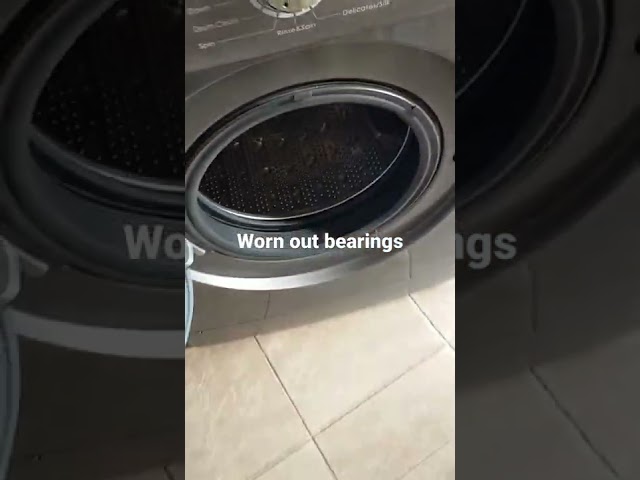
- Worn Drum Bearings: Bearings support the drum; when worn, they generate grinding or rumbling noises, especially during high-speed spin.
- Damaged Drive Belt: A cracked or worn drive belt can slip and squeal during the spin cycle.
- Faulty Motor Coupling: This connects the motor to the transmission; if damaged, it can cause a loud clicking or banging noise.
- Worn Shock Absorbers/Suspension Rods: These dampen vibrations; if weak or broken, they lead to excessive shaking and noise.
- Problem with the Drain Pump: Sometimes a foreign object can obstruct the drain pump and cause a loud buzzing noise when the washer is trying to drain during the spin cycle.
- Object stuck in the pump filter: The drain pump filter catches debris. When clogged, it can create unusual sounds and strain the pump during spin.
Symptoms Checklist
Here’s what to look for to pinpoint the issue:
- Loud Banging or Thumping: Suggests an unbalanced load or worn suspension components.
- Grinding or Rumbling Noise: Points towards worn drum bearings.
- Squealing Sound: Indicates a slipping drive belt.
- Clicking or Banging: Could mean a problem with the motor coupling.
- Excessive Vibration: Implies unbalanced load or worn suspension.
- Buzzing Noise During Drain: Possible obstruction in the drain pump.
How to Fix maytag neptune washer noisy spin cycle Step-by-Step Guide
Follow these steps to troubleshoot your noisy washer:
- Check for an Unbalanced Load: Stop the washer, redistribute the clothes evenly in the drum, and restart the spin cycle.
- Inspect the Drum for Loose Items: Manually rotate the drum and listen for rattling. If you hear something, try to remove it through the holes in the drum. You might need needle-nose pliers.
- Check the Washer’s Level: Use a level to ensure the washer is sitting flat on the floor. Adjust the leveling feet as needed to stabilize the machine.
- Inspect Suspension Components: Open the washer and push down firmly on the top of the drum. It should bounce slightly and then settle. If it bounces excessively or feels loose, the shock absorbers or suspension rods might be worn.
- Inspect the Drive Belt: (Unplug the washer first!) Access the drive belt (usually located at the back or bottom of the washer; consult your user manual). Check for cracks, wear, or looseness.
- Clean the Drain Pump Filter: (Unplug the washer first!) Locate the drain pump filter (usually at the bottom front). Remove it and clean out any debris. Refer to your user manual for instructions specific to your model.
- Check for Obstructions in the Drain Hose: Disconnect the drain hose from the washer and inspect it for any clogs or obstructions.
- Run an Empty Cycle: Run a short, empty wash cycle to see if the noise persists without clothes. This can help isolate the source of the noise.
- Listen Carefully: During the spin cycle, try to pinpoint the location of the noise to help narrow down the potential causes.
- Reset the Washer: Some electronic washers can be reset by unplugging them for a few minutes and then plugging them back in.
- Review the Error Codes: If your washer has a display panel, check for any error codes that may indicate a specific problem. Consult your owner’s manual for the meaning of the code and recommended solutions.
Fix the Issue Without Buying Parts
Before considering replacements, try these free methods:
- Washer Reset: Unplug your washer for 510 minutes to reset the electronic components.
- Thorough Cleaning: Clean the drum, dispensers, and seals with a washing machine cleaner.
- Leveling: Ensure your machine is perfectly level using a spirit level.
- Inspection: Regularly inspect hoses for kinks and connections for tightness.
- Maintenance: Follow the manufacturers recommendations for regular maintenance cycles.
When Replacement Might Be Necessary
If the noise persists after trying the above steps, or if you identify a broken part (like a severely worn drum bearing), replacement may be necessary. Replacing drum bearings typically costs $150-$300 (USD) depending on the model and labor. Other parts frequently needing replacement include the drive belt ($20-$50) and shock absorbers ($30-$80 per pair). For more related activities, check out our Lg Washer Stop Cycle And Drain.
Safety Warning
Observe these safety precautions:
- Always unplug the washer before performing any inspections or repairs.
- Avoid working on electrical components with wet hands or in damp environments.
- Be careful when lifting or moving the washer; ask for assistance if needed.
- If you are uncomfortable with any of these steps, contact a qualified appliance repair technician.
Tools You May Need
Here’s a basic toolkit:
- Screwdrivers (Phillips and flathead)
- Pliers
- Adjustable wrench
- Level
- Gloves
- Shop towels
FAQ
Here are some common questions and answers:
-
Q: Why is my washer so loud only during the spin cycle?
A: The high-speed spin cycle puts maximum stress on the components, amplifying any underlying issues like worn bearings or loose parts. -
Q: Can I still use my washer if it’s making noise during the spin cycle?
A: While you can use it temporarily, it’s best to address the issue as soon as possible to prevent further damage. -
Q: How often should I clean my washing machine?
A: Ideally, clean your washing machine at least once a month to prevent buildup of detergent and debris. -
Q: Is it cheaper to repair my washer or buy a new one?
A: It depends on the cost of the repair. If the repair is minor and costs less than half the price of a new washer, it’s usually worth repairing. However, if the repair is extensive and costly, or if your washer is very old, buying a new one might be more economical.
Conclusion
Troubleshooting a noisy spin cycle on your Maytag Neptune washer can seem daunting, but by following these steps, you can often diagnose and even resolve the issue yourself. Don’t hesitate to try these methods before calling a technician. You might just save yourself time and money!
Youtube Video:
Quick Wiring Specifications & Terminal Guide
| Component / Circuit | Standard Wire Gauge | Recommended Protection |
|---|---|---|
| Control & Trigger Signals | 18 – 20 AWG | 5A – 7.5A Inline Fuse |
| Standard Auxiliary Load | 14 – 16 AWG | 15A – 20A Circuit Breaker |
| Main Power Feed / Supply | 10 – 12 AWG | 30A – 40A Heavy-Duty Relay |
Images References
Looking for more diagnostic guides? Explore our complete Washing Machine Problems 4 section for step-by-step troubleshooting solutions.
