
Introduction
Your LG washing machine’s motor is the powerhouse responsible for spinning the drum and cleaning your clothes. When you experience an “lg washing machine motor problem,” it means the motor isn’t performing as it should, possibly leading to clothes not getting properly washed or the machine simply not working. This can manifest as the drum not spinning, unusual noises during the wash cycle, or the machine failing to start. Addressing this quickly is essential to avoid further damage to your appliance and to prevent your laundry from piling up. Explore more in our Washing Machine Problems 1 collection.
💡 Technical Key Takeaways:
- Core Focus: Diagnostic schematic and terminal connection layout for Lg Washing Machine Motor Problem.
- Target Scope: Field technicians, automotive DIYers, and residential/commercial electricians.
- Safety Rule: Always disconnect the primary power source/battery terminal and verify zero voltage with a multimeter before touching wires.
Common Causes of lg washing machine motor problem
Here are some common reasons why your LG washing machine motor might be acting up:
- Overloading the Machine: Putting too many clothes in the drum can strain the motor.
- Worn Carbon Brushes: These brushes conduct electricity to the motor and wear down over time.
- Faulty Motor Capacitor: The capacitor helps start the motor. A bad capacitor can prevent the motor from starting.
- Blocked Drain Pump: If the drain pump is clogged, it can put extra strain on the motor.
- Damaged Wiring: Loose or damaged wires can interrupt the power supply to the motor.
- Defective Motor Control Board: The control board regulates the motor’s speed and direction. A faulty board can cause motor problems.
- Foreign Objects: Small items like coins or buttons can get lodged in the drum or motor area, causing damage.
- Bearing Failure: Worn-out drum bearings can create excessive friction, making it harder for the motor to turn the drum.
- Software Glitches: Modern washing machines have software; occasional glitches can affect motor operation.
Symptoms Checklist
Look for these signs to identify a potential motor problem:
- The washing machine won’t start.
- The drum doesn’t spin during the wash or spin cycle.
- Unusual noises, such as grinding, squealing, or humming, are coming from the machine.
- The machine stops mid-cycle.
- Burning smell coming from the appliance during operation.
- Error codes related to motor failure are displayed on the control panel.
- The drum spins weakly or inconsistently.
How to Fix lg washing machine motor problem Step-by-Step Guide
Follow these steps to troubleshoot your LG washing machine motor problem:
- Unplug the Washing Machine: Before doing anything, disconnect the appliance from the power outlet for safety.
- Check for Overloading: Ensure you haven’t been overloading the machine. Reduce the load size for the next wash.
- Inspect the Power Cord and Outlet: Look for any damage to the power cord and make sure the outlet is working correctly. Test the outlet with another appliance.
- Check the Drain Hose: Make sure the drain hose isn’t kinked or blocked, as this can put strain on the motor.
- Listen to the Motor: If the motor is humming but not spinning, it may indicate a blocked drain pump or a faulty capacitor.
- Inspect for Foreign Objects: Check the drum and the area around the motor for any foreign objects that may be obstructing the motor’s movement.
- Examine the Carbon Brushes (If Accessible): If you can access the motor, check the carbon brushes for wear. They should be at least 1/4 inch long.
- Check the Motor Capacitor (If Comfortable): The capacitor stores energy for the motor. If it’s bulging or leaking, it’s likely faulty. Caution: Capacitors can hold a charge, even when unplugged. Discharge the capacitor before handling.
- Run a Test Cycle (Empty): After inspecting, run an empty cycle to see if the issue persists.
- Check the Motor Wiring: Look for loose or damaged wires connected to the motor. Reconnect any loose wires and replace any damaged ones.
- Check the Belt (If Applicable): Some LG washers use a belt. Check for wear and tear or breakage.
- Access the Error Codes: Refer to your washer’s manual for instructions on accessing error codes and interpreting them.
- Soft Reset: Unplug the washing machine for 5 minutes and plug it back in.
Fix the Issue Without Buying Parts
Before considering replacement parts, try these free methods:
- Reset the Machine: Unplug the washer for 5-10 minutes to reset the electronic controls.
- Clean the Drain Pump Filter: A clogged filter can strain the motor. Clean it regularly.
- Recalibrate the Machine: Some LG washers have a calibration mode. Refer to your manual for instructions.
- Inspect for Loose Connections: Check all visible wiring connections to the motor and control board.
- Regular Maintenance: Run a cleaning cycle with a washing machine cleaner monthly.
When Replacement Might Be Necessary
If troubleshooting doesn’t resolve the issue, component replacement might be needed. The most common parts to fail are the motor, the motor control board, or the capacitor. Motor replacement costs can range from $200 to $500, depending on the model and labor. A capacitor might cost $20-$50. A control board can range from $150 to $400. It is always best to have a certified technician perform such replacements.
Safety Warning
- Always unplug the washing machine from the power outlet before attempting any repairs.
- Avoid working on the appliance with wet hands or on a wet floor.
- If you’re not comfortable working with electrical components, consult a qualified technician.
- If you’re replacing parts, ensure you use the correct replacement part for your specific model.
Tools You May Need
Here’s a basic list of tools that might be helpful:
- Screwdrivers (Phillips and flathead)
- Pliers
- Multimeter (for testing electrical components – use with caution and knowledge)
- Socket set
- Gloves
- Flashlight
FAQ
Here are some frequently asked questions about washing machine motor problems:
-
Q: My washing machine is making a loud humming noise. What could be the problem?
A: This could indicate a blocked drain pump, a faulty capacitor, or worn drum bearings. -
Q: How do I know if the motor capacitor is bad?
A: A bad capacitor may appear bulging or leaking. It can be tested with a multimeter, but consult a professional if you are unsure. -
Q: My washing machine stops mid-cycle. Is this a motor problem?
A: It could be. But first check for error codes, overloading, or a blocked drain hose. -
Q: Can I replace the motor myself?
A: If you have experience with appliance repair and electrical work, you might be able to. However, it’s recommended to consult a qualified technician.
Conclusion
Troubleshooting an “lg washing machine motor problem” can seem daunting, but by following these steps, you can often identify and resolve the issue yourself. Remember to prioritize safety and start with the simplest solutions first. Before calling a technician, ensure you’ve exhausted all DIY options. Many issues can be resolved with a little patience and effort!. Discover more free resources across our collection library.
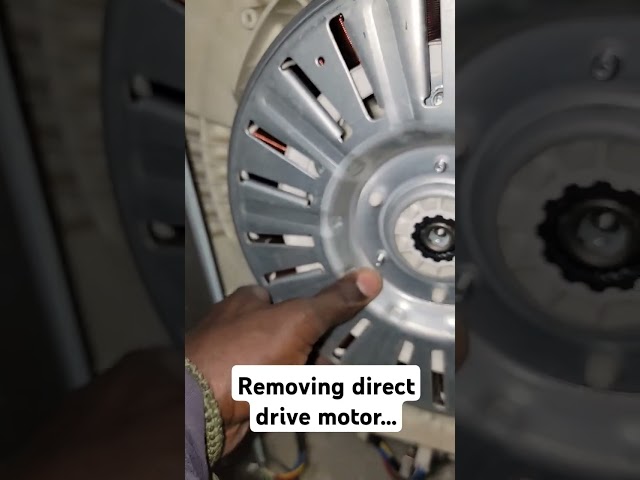
Youtube Video:
Quick Wiring Specifications & Terminal Guide
| Component / Circuit | Standard Wire Gauge | Recommended Protection |
|---|---|---|
| Control & Trigger Signals | 18 – 20 AWG | 5A – 7.5A Inline Fuse |
| Standard Auxiliary Load | 14 – 16 AWG | 15A – 20A Circuit Breaker |
| Main Power Feed / Supply | 10 – 12 AWG | 30A – 40A Heavy-Duty Relay |
