
Introduction
Is your LG Smart Inverter refrigerator’s ice maker on strike? A non-functioning ice maker can be a real inconvenience, especially during hot weather. It can happen suddenly or gradually, leaving you without ice for your drinks. Don’t panic! Often, the issue is something simple you can fix yourself, saving you time and money on repair bills. Let’s get your ice maker back in action!
💡 Technical Key Takeaways:
- Core Focus: Diagnostic schematic and terminal connection layout for Lg Smart Inverter Refrigerator Ice Maker Not Working.
- Target Scope: Field technicians, automotive DIYers, and residential/commercial electricians.
- Safety Rule: Always disconnect the primary power source/battery terminal and verify zero voltage with a multimeter before touching wires.
Common Causes of lg smart inverter refrigerator ice maker not working
Several factors can contribute to your LG ice maker’s refusal to cooperate. Here are some common culprits:
- Ice Maker is Turned Off: Sounds obvious, but it’s easily overlooked! Check the control panel or the ice maker itself for an “On/Off” switch.
- Water Supply Issue: The ice maker needs water. A kinked, frozen, or disconnected water line is a prime suspect.
- Water Inlet Valve Problem: This valve controls the flow of water to the ice maker. A faulty valve might not be opening properly.
- Freezer Temperature Too High: The freezer needs to be cold enough to freeze water. An ideal temperature is around 0-5 degrees Fahrenheit (-18 to -15 degrees Celsius).
- Clogged Water Filter: A dirty water filter restricts water flow, starving the ice maker.
- Ice Jam: Ice can build up and block the ice maker’s mechanism, preventing it from dispensing or creating new ice.
- Faulty Ice Maker Module: This is the brain of the ice maker. If it’s defective, the ice maker won’t function correctly.
- Door Switch Problem: If the refrigerator door switch is faulty, it might prevent the ice maker from running, thinking the door is always open.
- Defrost System Malfunction: If the defrost system isn’t working, ice can build up and block the ice maker.
Symptoms Checklist
Check off the symptoms that apply to your situation:
- No ice production at all.
- Ice maker is making ice very slowly.
- Ice cubes are small or misshapen.
- Ice dispenser is not working, even if ice is present.
- You hear the ice maker trying to work, but no ice is produced.
- An error code related to the ice maker is displayed on the refrigerator’s control panel.
How to Fix lg smart inverter refrigerator ice maker not working Step-by-Step Guide
Follow these steps to troubleshoot your ice maker:
- Check the Ice Maker Switch: Make sure the ice maker is turned “On.” It’s often a simple toggle switch or a button on the control panel.
- Inspect the Freezer Temperature: Verify that the freezer temperature is set correctly (0-5F). Adjust the thermostat if needed. Give it a few hours to stabilize.
- Examine the Water Line: Locate the water line running to your refrigerator. Check for kinks, bends, or anything obstructing the flow. If frozen, try thawing it gently with a hairdryer (on a low setting) from a safe distance.
- Replace the Water Filter: A clogged filter restricts water flow. Replace the water filter according to the manufacturer’s instructions (usually every 6 months). Refer to your refrigerator’s manual for the filter location.
- Look for Ice Jams: Check the ice maker for any visible ice buildup. If you see ice blocking the mechanism, try melting it with a hairdryer (on a low setting) or carefully remove it with a plastic utensil.
- Listen for the Water Inlet Valve: When the ice maker cycles, you should hear the water inlet valve open and fill the ice maker tray with water. If you don’t hear anything, the valve may be faulty (see “When Replacement Might Be Necessary”).
- Manually Cycle the Ice Maker: Some models have a test cycle button or lever. Consult your refrigerator’s manual for instructions on how to manually cycle the ice maker. This can help dislodge any ice and reset the system.
- Check the Door Switch: The door switch is usually located near the refrigerator’s door hinge. Make sure it’s functioning correctly. If the light doesn’t turn off when the door is closed, the switch might be defective.
- Defrost the Freezer: If there’s significant ice buildup in the freezer, manually defrost it. Unplug the refrigerator, remove all food, and leave the door open for several hours. This can clear any ice blocking the ice maker.
- Check the Water Pressure: Low water pressure can affect ice production. Ensure your home’s water pressure is within the recommended range for your refrigerator.
- Reset the Refrigerator: Unplug the refrigerator for 5-10 minutes, then plug it back in. This can sometimes reset the ice maker and resolve minor issues.
Fix the Issue Without Buying Parts
Many ice maker problems can be resolved without spending money:
- Reset: Unplugging and plugging back in can often do the trick.
- Cleaning: Remove ice buildup manually or by defrosting.
- Inspection: Carefully look for kinks in the water line and check temperature settings.
- Maintenance Basics: Replace the water filter regularly.
When Replacement Might Be Necessary
If you’ve tried all the troubleshooting steps and your ice maker still isn’t working, a replacement part may be necessary. The most common culprits are the water inlet valve (estimated cost: $30-$75 USD) and the ice maker module (estimated cost: $80-$150 USD). Consider contacting a qualified appliance repair technician for diagnosis and repair if you’re not comfortable replacing these parts yourself.
Safety Warning
- Always unplug the refrigerator before performing any maintenance or repairs.
- Avoid working on electrical components with wet hands or on wet floors.
- If you’re uncomfortable working with electrical components, contact a qualified appliance repair technician.
Tools You May Need
- Screwdrivers (Phillips and flathead)
- Pliers
- Adjustable wrench
- Towel or sponge
- Hairdryer (optional)
- Plastic scraper (optional)
FAQ
Here are some frequently asked questions about ice maker problems:
- Q: Why is my ice maker making small or hollow ice cubes?A: This is often caused by low water pressure or a clogged water filter.
- Q: How long does it take for a new ice maker to start making ice?A: It can take up to 24 hours for a new ice maker to start producing ice.
- Q: My ice maker is making ice, but the dispenser isn’t working. What’s wrong?A: Check for ice jams in the dispenser chute or a faulty dispenser motor.
- Q: The ice maker keeps overflowing. What could be the problem?A: This could be a problem with the water inlet valve or the ice maker module.
Conclusion
Troubleshooting your LG Smart Inverter refrigerator’s ice maker can be a straightforward process. By following these steps, you can often resolve the issue yourself and avoid costly repairs. However, if you’re uncomfortable with any of the steps or if the problem persists, don’t hesitate to contact a qualified appliance repair technician. Good luck getting your ice maker back up and running!
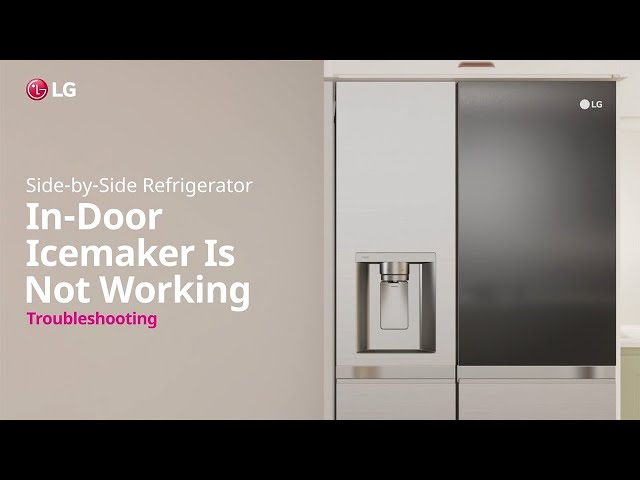
Youtube Video:
Quick Wiring Specifications & Terminal Guide
| Component / Circuit | Standard Wire Gauge | Recommended Protection |
|---|---|---|
| Control & Trigger Signals | 18 – 20 AWG | 5A – 7.5A Inline Fuse |
| Standard Auxiliary Load | 14 – 16 AWG | 15A – 20A Circuit Breaker |
| Main Power Feed / Supply | 10 – 12 AWG | 30A – 40A Heavy-Duty Relay |
Images References
Looking for more diagnostic guides? Explore our complete Refrigerator Problems 4 section for step-by-step troubleshooting solutions.
