
Introduction
Is your LG side by side refrigerator’s ice maker on strike? A non-working ice maker can be a major inconvenience, especially during hot weather or when you’re entertaining. It’s a common problem for many homeowners, and often, the fix is simpler than you think. Before calling a technician, let’s explore some potential causes and solutions. Getting your ice maker back up and running quickly is important to avoid having to buy bags of ice from the store!
💡 Technical Key Takeaways:
- Core Focus: Diagnostic schematic and terminal connection layout for Lg Side By Side Ice Maker Not Working.
- Target Scope: Field technicians, automotive DIYers, and residential/commercial electricians.
- Safety Rule: Always disconnect the primary power source/battery terminal and verify zero voltage with a multimeter before touching wires.
Common Causes of LG Side by Side Ice Maker Not Working
Here are several reasons why your LG ice maker might not be making ice:
- Frozen Water Line: The water supply line can freeze, blocking water flow to the ice maker.
- Clogged Water Filter: A dirty water filter restricts water flow, preventing ice production.
- Ice Maker is Turned Off: It might sound obvious, but the ice maker switch may be accidentally turned off.
- Low Freezer Temperature: If the freezer isn’t cold enough, the ice maker won’t function properly.
- Faulty Water Inlet Valve: This valve controls the flow of water to the ice maker, and it can fail.
- Ice Jam in the Ejector Arm: Ice buildup can prevent the ejector arm from dispensing ice.
- Defective Ice Maker Module: The ice maker module controls the ice-making cycle and can fail.
- Kinked or Damaged Water Line: A kinked or damaged water line stops water flow
- Water Pressure Issues: Your house water pressure may be insufficient for the ice maker to operate correctly.
Symptoms Checklist
Use this list to help accurately identify the issue:
- No ice is being produced at all.
- Ice is being produced very slowly.
- Ice cubes are small or misshapen.
- Water is not dispensing from the water dispenser (if equipped).
- You hear the ice maker attempting to cycle, but no ice is produced.
- The ice maker is full of ice, but it’s not being dispensed.
How to Fix LG Side by Side Ice Maker Not Working Step-by-Step Guide
Follow these steps to troubleshoot your LG ice maker:
- Check the Ice Maker Switch: Ensure the ice maker is turned on. It’s usually a switch or button located inside the freezer, near the ice maker.
- Inspect the Freezer Temperature: The freezer temperature should be between 0F and 5F (-18C to -15C). Use a thermometer to check. Adjust the temperature if necessary.
- Replace the Water Filter: A clogged water filter is a common culprit. Replace it according to the manufacturer’s instructions (usually every 6 months). Refer to your refrigerator’s manual for filter location and replacement.
- Check the Water Supply Line: Make sure the water supply line (usually a small plastic tube) connected to the refrigerator is not kinked or pinched. Straighten any kinks carefully.
- Check for a Frozen Water Line: If you suspect a frozen water line, try thawing it. You can use a hairdryer (on a low setting) to gently warm the line. Important: Do not use excessive heat, as this can damage the line.
- Manually Cycle the Ice Maker: Some LG ice makers have a test button. Press and hold it for a few seconds to initiate a manual ice-making cycle. This can help dislodge any ice jams or reset the system.
- Clear Ice Jams: If you see ice buildup in the ice maker, carefully remove it. Use a plastic utensil to avoid damaging the ice maker.
- Inspect the Ejector Arm: Ensure the ice ejector arm (the part that pushes ice out) is not blocked or damaged.
- Listen for the Water Inlet Valve: After the ice maker cycle, listen for the water inlet valve to open and fill the ice maker tray. If you don’t hear it, the valve may be faulty.
- Check Water Pressure: Ensure your home’s water pressure is sufficient (typically 30-100 psi). Low water pressure can prevent the ice maker from filling correctly.
- Defrost the Ice Maker: Sometimes, ice can build up within the ice maker itself. Turn off the ice maker and allow it to defrost for a few hours. You can also use a hairdryer on a low setting to speed up the process.
Fix the Issue Without Buying Parts
Before considering replacement parts, try these free methods:
- Reset the Refrigerator: Unplug the refrigerator for 5-10 minutes, then plug it back in. This can reset the ice maker’s electronics.
- Clean the Ice Maker: Regularly clean the ice maker compartment to prevent mold and bacteria buildup. Use a mild detergent and water.
- Inspect for Obstructions: Regularly check for ice jams or obstructions in the ice maker and dispenser chute.
- Maintain Water Filter: Replace the water filter every 6 months to ensure optimal water flow and ice quality.
When Replacement Might Be Necessary
If you’ve tried all the troubleshooting steps and the ice maker still isn’t working, a replacement of certain parts or the whole ice maker unit might be necessary. Common parts that fail include the water inlet valve (estimated cost: $30-$70), the ice maker module (estimated cost: $50-$150), or the entire ice maker assembly (estimated cost: $100-$300). Consider calling a qualified appliance repair technician for diagnosis and repair.
Safety Warning
- Always unplug the refrigerator before performing any repairs or maintenance.
- Avoid using sharp objects to remove ice, as this can damage the ice maker.
- Be careful when using a hairdryer to thaw frozen water lines, as excessive heat can damage the lines.
- Ensure the floor around the refrigerator is dry to prevent electric shock.
Tools You May Need
- Screwdrivers (Phillips and flathead)
- Pliers
- Adjustable wrench
- Thermometer
- Hair Dryer (for thawing frozen lines)
- Plastic spatula or similar tool (for removing ice jams)
FAQ
Here are some common questions about LG ice maker problems:
-
Q: My ice maker is making ice, but it’s small and hollow. What’s wrong?
A: This is usually caused by low water pressure or a partially clogged water filter. Check both and replace the filter if needed.
-
Q: How do I reset my LG ice maker?
A: Unplug the refrigerator for 5-10 minutes, then plug it back in. This often resets the ice maker’s electronics.
-
Q: My ice maker is overflowing with water. What should I do?
A: This could be caused by a faulty water inlet valve or a frozen drain line. Check the drain line first and clear any ice buildup. If the problem persists, the water inlet valve may need to be replaced.
-
Q: How often should I replace the water filter in my LG refrigerator?
A: It’s recommended to replace the water filter every 6 months.
Conclusion
Troubleshooting your LG side by side ice maker might seem daunting, but with a little patience and these steps, you can often resolve the issue yourself. Remember to prioritize safety and follow the instructions carefully. Before calling a technician, take the time to explore these DIY solutions. You might be surprised at how much you can fix on your own!
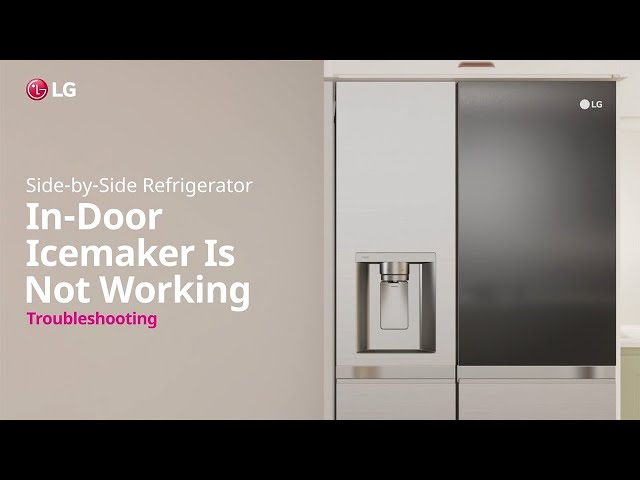
Youtube Video:
Quick Wiring Specifications & Terminal Guide
| Component / Circuit | Standard Wire Gauge | Recommended Protection |
|---|---|---|
| Control & Trigger Signals | 18 – 20 AWG | 5A – 7.5A Inline Fuse |
| Standard Auxiliary Load | 14 – 16 AWG | 15A – 20A Circuit Breaker |
| Main Power Feed / Supply | 10 – 12 AWG | 30A – 40A Heavy-Duty Relay |
Images References
Looking for more diagnostic guides? Explore our complete Refrigerator Problems 4 section for step-by-step troubleshooting solutions.
