Introduction
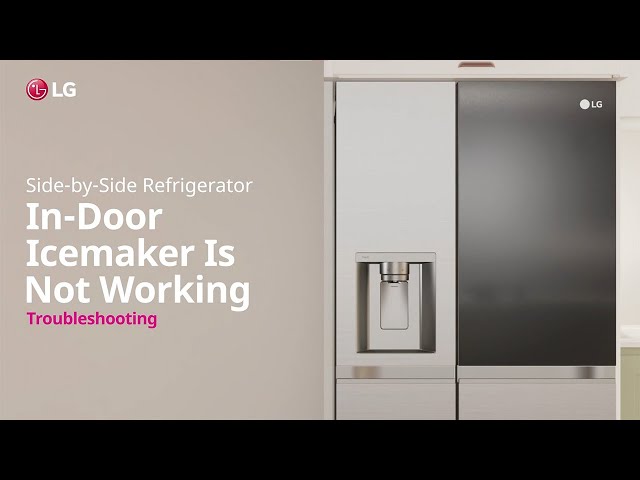
A malfunctioning ice maker in your LG side-by-side refrigerator can be a major inconvenience, especially during hot weather or when you’re entertaining guests. No one wants warm drinks! Often, the issue isn’t a major repair, but rather a simple fix you can accomplish yourself. This guide will walk you through common causes and step-by-step troubleshooting to get your ice maker working again. Addressing the problem quickly can also prevent further issues, like water leaks or food spoilage.
Common Causes of lg side by side fridge ice maker not working
Here are some of the most frequent reasons why your LG ice maker might not be producing ice:
- Ice Maker is Turned Off: It sounds obvious, but sometimes the switch gets flipped accidentally.
- Water Supply Issues: The fridge needs water to make ice. A kinked or frozen water line can stop the flow.
- Frozen Water Line: Ice can form within the water line, blocking the water supply to the ice maker.
- Clogged Water Filter: A dirty filter restricts water flow and can prevent ice production.
- Ice Jam in the Ejector: Ice can become lodged in the ice maker’s ejection mechanism, preventing it from working.
- Low Freezer Temperature: If the freezer isn’t cold enough, the ice maker won’t function properly.
- Faulty Water Inlet Valve: This valve controls the water flow to the ice maker. If it’s defective, it won’t open.
- Defective Ice Maker Module: The ice maker module controls the entire ice-making process.
- Accumulated Frost: Frost buildup inside the freezer can interfere with the ice maker’s operation.
Symptoms Checklist
Check these indicators to pinpoint the issue:
- No ice production at all.
- Ice maker is making small or hollow cubes.
- Ice maker is making ice very slowly.
- Water dispenser is also not working.
- Unusual noises coming from the ice maker area.
- Water leaking from the ice maker.
- Ice maker is overflowing.
How to Fix lg side by side fridge ice maker not working Step-by-Step Guide
- Check the Ice Maker Switch: Make sure the ice maker is turned “on.” Look for a wire arm you need to lower or a button to press. Consult your fridge’s manual if unsure.
- Inspect the Water Supply Line: Locate the water line running to the refrigerator. Ensure it isn’t kinked or bent sharply.
- Check the Water Valve: Ensure the valve is fully open. It’s usually located behind the fridge or under the sink.
- Replace the Water Filter: Locate the water filter (usually inside the fridge or in the base grille). Replace it with a new one according to the manufacturer’s instructions.
- Defrost the Water Line: If you suspect a frozen water line, unplug the refrigerator. You can try thawing the line with a hairdryer (on low setting) or by wrapping it with warm towels. (Caution: Do not use boiling water or a heat gun).
- Check Freezer Temperature: The ideal freezer temperature is between 0F and 5F (-18C and -15C). Adjust the temperature setting if necessary.
- Clear Ice Jams: Remove any ice that is blocking the ice maker’s ejector arm or fill tray.
- Reset the Ice Maker: Some LG refrigerators have a reset button on the ice maker unit. Press and hold it for a few seconds (consult your manual).
- Manually Cycle the Ice Maker: Find the test button on the bottom or side of the ice maker. Press and hold it for a few seconds. This will force the ice maker to go through a harvest cycle.
- Inspect the Ice Maker Module: Check for any visible damage to the ice maker module. Look for cracked plastic or loose wires.
- Ensure Proper Airflow: Make sure there are no items blocking the vents inside the freezer. Proper airflow is crucial for maintaining the correct temperature.
- Clean the Ice Storage Bin: Regularly clean the ice storage bin to prevent mold and bacteria growth.
- Listen for the Water Valve: When the ice maker is cycling (after pressing the test button), listen for the water valve to open and fill the ice maker tray. If you don’t hear it, the valve might be faulty.
Fix the Issue Without Buying Parts
Many ice maker problems can be resolved without buying new parts:
- Resetting: Resetting the ice maker using the reset button is often the first and simplest solution.
- Cleaning: Regular cleaning of the ice maker and ice bin prevents buildup and jams.
- Recalibrating: Some models allow for temperature recalibration to optimize ice production. Consult your manual.
- Inspection Tips: Carefully inspect water lines and connections for leaks or damage.
- Maintenance Basics: Regularly replacing the water filter is crucial for preventing issues.
When Replacement Might Be Necessary
If troubleshooting doesn’t work, a replacement might be needed:
- Water Inlet Valve: Estimated cost: $30 – $70.
- Ice Maker Module: Estimated cost: $80 – $200.
- Water Filter Housing: Estimated cost: $40 – $80 (If cracked).
Safety Warning
- Always unplug the refrigerator before performing any repairs.
- Avoid working on electrical components if you’re not comfortable with electrical work.
- Be careful when using tools around water lines.
- Wipe up any spilled water to prevent slips and falls.
Tools You May Need
- Screwdrivers (Phillips and flathead)
- Pliers
- Adjustable wrench
- Towel or sponge
- Hairdryer (for thawing)
- New water filter
FAQ
Q: Why is my ice maker making hollow cubes?
A: This usually indicates low water pressure or a partially clogged water filter. Try replacing the water filter first.
Q: How often should I change my refrigerator’s water filter?
A: Most manufacturers recommend changing the water filter every 6 months.
Q: My ice maker is making ice, but it’s very small. What’s wrong?
A: This could be due to a low freezer temperature setting or a problem with the water inlet valve.
Q: How do I know if my water inlet valve is faulty?
A: If you don’t hear the valve opening when the ice maker is cycling, it’s likely faulty.
Conclusion
Troubleshooting your LG side-by-side fridge ice maker can save you time and money. By following this guide, you can address many common issues yourself. However, if you’re uncomfortable performing these steps or if the problem persists, it’s best to consult a qualified appliance repair technician. Don’t give up on your ice-cold dreams just yet!
Youtube Video:
Looking for more useful options?
Check out recommended resources that others find helpful.