
Introduction
An LG refrigerator is usually a quiet appliance. When it starts making unusual sounds, it can be annoying and even worrying. Ignoring these noises could lead to more significant problems and potentially shorten the lifespan of your refrigerator. These noises often occur after a power outage, after loading a lot of groceries, or simply as the refrigerator ages. Let’s get to the bottom of this and restore peace and quiet to your kitchen!. Explore more in our Refrigerator Problems 4 collection.
💡 Technical Key Takeaways:
- Core Focus: Diagnostic schematic and terminal connection layout for Lg Refrigerator Sound Problem.
- Target Scope: Field technicians, automotive DIYers, and residential/commercial electricians.
- Safety Rule: Always disconnect the primary power source/battery terminal and verify zero voltage with a multimeter before touching wires.
Common Causes of lg refrigerator sound problem
Here are some common culprits behind those strange refrigerator noises:
- Ice Maker: The ice maker cycles regularly, and these cycles can be noisy. This is usually normal.
- Defrost Cycle: Your refrigerator periodically defrosts itself. During this process, you might hear dripping or hissing sounds.
- Condenser Fan: Located near the compressor, the condenser fan helps cool the refrigerator. If it’s obstructed or failing, it can make a loud humming or rattling noise.
- Evaporator Fan: Situated inside the freezer, the evaporator fan circulates cold air. Ice buildup or a failing motor can cause it to become noisy.
- Compressor: The compressor is the heart of your refrigerator. As it ages, it can become louder. A failing compressor might produce a loud buzzing or grinding sound.
- Water Inlet Valve: This valve controls the water flow to the ice maker and water dispenser. A faulty valve can vibrate and create a buzzing sound.
- Loose Components: Sometimes, the noise is simply due to a loose part, like a shelf, drawer, or the refrigerator itself being uneven on the floor.
- Icemaker Fill Tube: The tube that carries water to the icemaker can freeze, blocking the tube and causing a loud banging noise.
- Drain Pan: The drain pan collects water from the defrost cycle. If it’s not properly positioned or secured, it can rattle.
- Overload: An overloaded fridge causes the compressor to work harder and louder.
Symptoms Checklist
Use this checklist to help pinpoint the source of the noise:
- Rattling: Could indicate a loose drain pan, fan blade obstruction, or items vibrating against the refrigerator.
- Buzzing: May suggest a problem with the water inlet valve, compressor, or a loose electrical component.
- Humming: Can be a normal compressor sound, but excessive humming could indicate a problem.
- Clicking: Often heard when the ice maker is cycling or when the defrost heater is turning on/off.
- Grinding: This is a concerning sound that could indicate a failing compressor or fan motor.
- Dripping/Hissing: Typically normal during the defrost cycle.
- Banging: Usually frozen water in the icemaker fill tube.
- Noise increases after opening/closing the door: Indicates the fridge is working harder to maintain temperature.
How to Fix lg refrigerator sound problem Step-by-Step Guide
Follow these steps to troubleshoot the noise:
- Identify the Noise: Try to pinpoint where the noise is coming from (inside the freezer, near the compressor, etc.). This will help narrow down the problem.
- Check the Ice Maker: Turn off the ice maker and see if the noise stops. If so, the ice maker is the likely culprit. Check for ice buildup.
- Inspect the Condenser Fan: Unplug the refrigerator. Locate the condenser fan at the back (usually behind a panel). Clean any dust or debris from the fan blades. Make sure the fan spins freely.
- Examine the Evaporator Fan: Remove the back panel inside the freezer. Inspect the evaporator fan for ice buildup. If present, defrost the freezer completely.
- Listen to the Compressor: Place your ear near the compressor (usually at the bottom back of the refrigerator). A normal compressor will hum. Excessive noise suggests a problem.
- Check the Water Inlet Valve: Locate the water inlet valve (usually at the back of the refrigerator). Feel for vibrations. If it’s vibrating excessively, it might be failing.
- Tighten Loose Components: Check for loose shelves, drawers, or panels. Tighten any screws or clips.
- Level the Refrigerator: Use a level to ensure the refrigerator is sitting level. Adjust the leveling feet as needed.
- Clear the Drain Pan: Locate the drain pan (usually at the bottom back of the refrigerator). Ensure it’s properly positioned and empty.
- Check for Overloading: Remove some items from the fridge. If the noise reduces, the fridge was overloaded.
- Defrost the Freezer Manually: Sometimes, an automatic defrost cycle fails. Manually defrost the freezer to eliminate ice buildup on coils and fans.
- Clean the Refrigerator Coils: Dust and debris accumulate on the coils, making the fridge work harder. Clean them with a vacuum cleaner brush attachment.
- Listen for Repeating Cycles: Note when the noises happen. Do they happen every few hours (defrost cycle)? Only when the door opens? Knowing the cycle linked to the noise helps.
- Reset the Refrigerator: Unplug the refrigerator for 5-10 minutes. This can sometimes reset the system and resolve minor issues.
Fix the Issue Without Buying Parts
Before considering replacements, try these cost-free solutions:
- Reset: As mentioned above, unplugging and plugging back in can sometimes resolve software glitches.
- Cleaning: Vacuuming the condenser coils and wiping down the fans can drastically improve efficiency and reduce noise.
- Recalibration: Some LG refrigerators have a self-calibration feature. Consult your owner’s manual.
- Inspection Tips: Regularly inspect the interior for ice buildup and listen for changes in the normal operating sounds.
- Maintenance Basics: Keep the refrigerator clean, avoid overloading it, and ensure proper ventilation around the appliance.
When Replacement Might Be Necessary
If the noise persists after trying the above steps, it might be time to consider replacement of a part. A failing compressor is a common issue that may require professional repair. The cost of a new compressor can range from $200 to $500 (USD) including installation. Condenser and evaporator fan motors are also common failure points and generally cost between $50 and $200 (USD) installed. If the repairs are costly and the refrigerator is old, it might be more economical to replace the entire unit. For more related activities, check out our Lg Refrigerator Water And Ice Dispenser Not Working.
Safety Warning
Observe the following safety precautions:
- Always unplug the refrigerator before performing any maintenance or repairs.
- Avoid working on electrical components if you’re not comfortable or experienced.
- Be careful when handling tools to avoid injury.
- Ensure the floor around the refrigerator is dry to prevent electric shock.
Tools You May Need
Here’s a basic toolkit for refrigerator troubleshooting:
- Screwdrivers (Phillips and flathead)
- Vacuum cleaner with brush attachment
- Level
- Wrench
- Gloves
FAQ
Here are some frequently asked questions:
- Q: Why is my refrigerator making a buzzing noise? A: It could be the water inlet valve, compressor, or a loose electrical component.
- Q: What does it mean when my fridge is making a grinding noise? A: This often indicates a failing compressor or fan motor. Contact a technician if you are not comfortable replacing the part.
- Q: How do I stop my refrigerator from rattling? A: Check for loose components, ensure the refrigerator is level, and clear the drain pan.
- Q: Is it normal for my refrigerator to make noises during the defrost cycle? A: Yes, dripping and hissing sounds are normal during the defrost cycle.
- Q: Why is my LG refrigerator making a high-pitched noise? A: A high pitched noise can be a sign of a failing fan motor, or a leak in the sealed system.
- Q: How do I know if my refrigerator’s compressor is going bad? A: Symptoms include loud buzzing or grinding noises, poor cooling performance, and the compressor running constantly.
Conclusion
Troubleshooting an LG refrigerator sound problem can seem daunting, but by following these steps, you can often identify and resolve the issue yourself. Don’t hesitate to give these DIY solutions a try before calling a technician. You might be surprised at what you can accomplish! However, if the problem persists or involves complex repairs, it’s always best to consult a qualified appliance repair professional. Discover more free resources across our collection library.
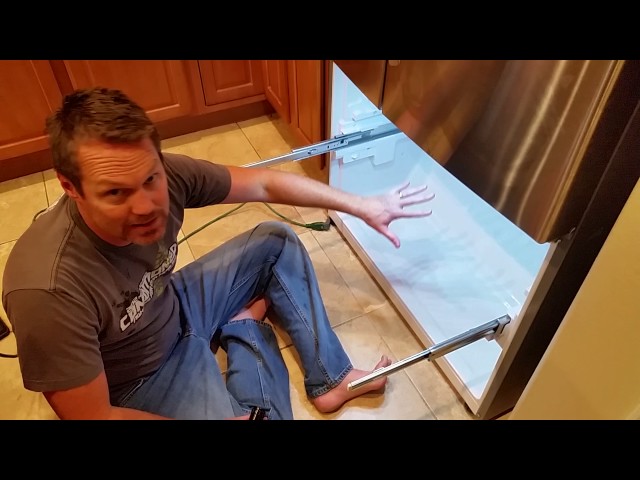
Youtube Video:
Quick Wiring Specifications & Terminal Guide
| Component / Circuit | Standard Wire Gauge | Recommended Protection |
|---|---|---|
| Control & Trigger Signals | 18 – 20 AWG | 5A – 7.5A Inline Fuse |
| Standard Auxiliary Load | 14 – 16 AWG | 15A – 20A Circuit Breaker |
| Main Power Feed / Supply | 10 – 12 AWG | 30A – 40A Heavy-Duty Relay |
