
Introduction
A popping noise coming from your LG refrigerator can be unsettling. This sound often indicates that something isn’t quite right, but it’s not always a sign of a major breakdown. These noises can occur during the cooling cycle, after the refrigerator has been running for a while, or even when it’s seemingly idle. Ignoring these sounds might lead to further problems, potentially affecting the refrigerator’s cooling efficiency and lifespan. This guide will walk you through the common causes of these noises and provide step-by-step instructions to resolve them, saving you time and potentially expensive repair bills.
💡 Technical Key Takeaways:
- Core Focus: Diagnostic schematic and terminal connection layout for Lg Refrigerator Making Popping Noise.
- Target Scope: Field technicians, automotive DIYers, and residential/commercial electricians.
- Safety Rule: Always disconnect the primary power source/battery terminal and verify zero voltage with a multimeter before touching wires.
Common Causes of LG Refrigerator Making Popping Noise
Several factors can cause a popping noise in your LG refrigerator. Here’s a list of the most frequent culprits:. For more related activities, check out our No Frost Fridge Leaking Water.
- Expansion and Contraction: The most common cause. The refrigerator’s internal components, like the cooling coils and plastic panels, expand slightly when warm and contract when cold. This can create popping or cracking sounds.
- Defrost Cycle: During the defrost cycle, the refrigerator’s heating element melts frost buildup. This rapid temperature change can cause popping noises.
- Ice Maker Issues: The ice maker can cause popping noises as it releases ice cubes or if there’s ice buildup.
- Compressor Start-up: When the compressor starts or stops, it can cause a brief popping or clicking sound. This is usually normal.
- Water Line Issues: If your refrigerator has a water dispenser or ice maker, a loose or vibrating water line can create a popping sound as water flows through it.
- Damper Door Malfunction: The damper door controls airflow between the freezer and refrigerator compartments. If it’s malfunctioning or obstructed, it can create unusual noises.
- Fan Motor Problems: The evaporator fan and condenser fan are responsible for circulating air. A failing fan motor can create various noises, including popping or clicking.
- Relay Switch: A faulty relay switch for the compressor can sometimes generate popping or clicking noises before failing completely.
Symptoms Checklist
Use this checklist to help identify the source of the popping noise:
- Is the noise louder or more frequent during or after the defrost cycle?
- Does the noise occur when the refrigerator is first turned on?
- Does the noise happen when the ice maker is dispensing ice?
- Is the noise constant, intermittent, or only happening at certain times?
- Can you pinpoint the sound to a specific area of the refrigerator (e.g., back panel, ice maker, compressor area)?
- Are there any signs of frost buildup in the freezer?
- Is the refrigerator cooling properly?
How to Fix LG Refrigerator Making Popping Noise Step-by-Step Guide
Follow these steps to troubleshoot and fix the popping noise:
- Unplug the Refrigerator: For safety, always unplug the refrigerator from the power outlet before starting any troubleshooting.
- Check the Ice Maker: Turn off the ice maker. Listen to see if the popping noise stops. If it does, inspect the ice maker for ice buildup. Manually defrost the ice maker by removing ice gently with a plastic utensil.
- Inspect the Back Panel Inside the Freezer: Remove the back panel inside the freezer (usually held by screws). Be careful not to damage any wires or components.
- Check for Frost Buildup: Look for excessive frost buildup on the evaporator coils. If there’s a lot of frost, the defrost system may be malfunctioning.
- Manually Defrost the Refrigerator: If you suspect a defrost issue, manually defrost the refrigerator and freezer completely. Leave the doors open for 24 hours after unplugging the refrigerator. This allows all the ice to melt.
- Inspect the Condenser Coils: Locate the condenser coils (usually at the back or bottom of the refrigerator). Clean the coils thoroughly with a vacuum cleaner brush attachment. Dust buildup can cause the refrigerator to work harder and potentially create noises.
- Check the Water Line: Inspect the water line connected to the refrigerator. Make sure it’s securely connected and not vibrating against anything. You can add foam padding or secure it with zip ties to prevent vibrations.
- Inspect the Damper Door: Locate the damper door (usually in the refrigerator compartment near the freezer vent). Make sure it’s opening and closing freely. Remove any obstructions.
- Listen to the Compressor: Plug the refrigerator back in and listen to the compressor. If the popping noise seems to be coming from the compressor area, it could be a sign of a more serious issue.
- Reset the Refrigerator: Sometimes, simply resetting the refrigerator can resolve minor issues. Unplug the refrigerator for 5-10 minutes, then plug it back in.
- Check the Fan Motors: With the refrigerator running, listen for any unusual noises coming from the evaporator fan (inside the freezer) or the condenser fan (near the compressor).
- Test the Defrost Timer (advanced): This is trickier, but if you suspect a defrost problem, you can try locating and testing the defrost timer. Consult your refrigerator’s service manual or online resources for specific instructions. This might require a multimeter.
Fix the Issue Without Buying Parts
Before considering replacing any parts, try these free methods:
- Thorough Cleaning: Clean the entire refrigerator, inside and out, to remove any potential obstructions or debris.
- Check Leveling: Ensure the refrigerator is properly leveled. An unlevel refrigerator can cause vibrations and noises.
- Monitor for a Few Days: After performing the above steps, monitor the refrigerator for a few days to see if the noise returns.
When Replacement Might Be Necessary
If the popping noise persists after trying all the troubleshooting steps, or if you notice any of the following:
- The refrigerator is not cooling properly.
- The compressor is making loud or unusual noises.
- The popping noise is accompanied by other symptoms, such as water leaks or error codes.
Then component failure is possible. In these cases, consider: Defrost heater ($50 – $100), Defrost timer ($30 – $70), or Compressor replacement ($200-$500 + labor). Contact a qualified appliance repair technician for diagnosis and repair.
Safety Warning
- Always unplug the refrigerator before performing any troubleshooting or repairs.
- Be careful when working around electrical components.
- Avoid using sharp objects to remove ice, as this could damage the refrigerator’s internal components.
- If you are not comfortable performing any of these steps, contact a qualified appliance repair technician.
Tools You May Need
- Screwdrivers (Phillips and flathead)
- Vacuum cleaner with brush attachment
- Plastic spatula or scraper
- Multimeter (optional, for advanced testing)
- Foam padding or zip ties (for water line)
FAQ
Here are some frequently asked questions about popping noises in LG refrigerators:
- Q: Is the popping noise dangerous? A: Usually not immediately dangerous, but it indicates an issue that should be addressed to prevent further problems.
- Q: How often should I clean the condenser coils? A: At least every six months, or more often if you have pets or live in a dusty environment.
- Q: Why is my refrigerator making noise after a power outage? A: The power surge may have caused an issue, try resetting the refrigerator.
- Q: When should I call a professional? A: If you’ve tried the troubleshooting steps and the noise persists, or if you suspect a more serious problem with the compressor or defrost system.
Conclusion
A popping noise in your LG refrigerator can be concerning, but often it’s a simple issue that you can resolve yourself. By following these troubleshooting steps, you can identify the cause of the noise and potentially save yourself the cost of a repair bill. Don’t hesitate to contact a qualified technician if you’re unsure or uncomfortable performing any of these steps. Hopefully, the tips help you pinpoint the root cause and resolve the annoying popping.
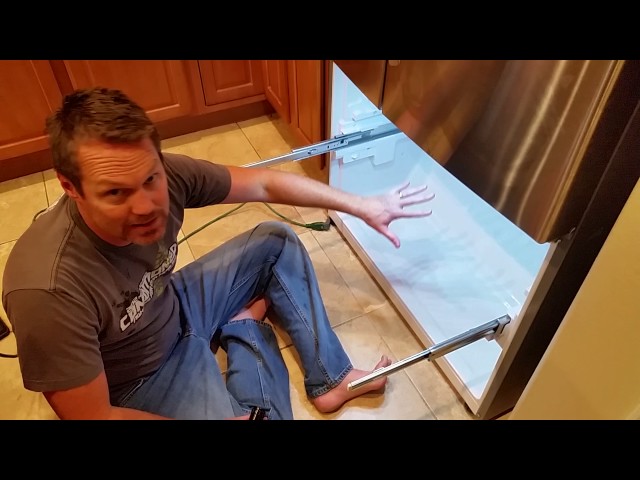
Youtube Video:
Quick Wiring Specifications & Terminal Guide
| Component / Circuit | Standard Wire Gauge | Recommended Protection |
|---|---|---|
| Control & Trigger Signals | 18 – 20 AWG | 5A – 7.5A Inline Fuse |
| Standard Auxiliary Load | 14 – 16 AWG | 15A – 20A Circuit Breaker |
| Main Power Feed / Supply | 10 – 12 AWG | 30A – 40A Heavy-Duty Relay |
Images References
Looking for more diagnostic guides? Explore our complete Refrigerator Problems 4 section for step-by-step troubleshooting solutions.
